
Are you hoping to find a functional food with health benefits and a taste profile that is smoky and savory? Dulse, the elusive red seaweed which is said to have a bacon-like flavor and is uniquely extraordinary, has gained a lot of attention. Apart from being mouth-watering, dulse is filled with vitamins, minerals, and antioxidants which makes it extremely appealing for health lovers and everyone with a foodie’s zest. At this point, you might be asking, What exactly is dulse, and why is it blowing up in the health and culinary world? We are uncovering its health advantages, nutritional perks, dulse’s versatility in cooking, and understanding why dulse might become a newfound …putting-the-benefits diet. Brace yourself to learn about this superfood, which is an absolute delight when it comes to enjoying food without compromising on health!
What is dulse and Its Life History?

Dulse is a variety of red seaweed that grows on the shores of the North Pacific and Atlantic Oceans, known in Latin as Palmaria palmata. It has been historically eaten for centuries by coastal populations in Ireland, Scotland, Iceland, and Canada, where they harvested it and dried it to use it as a nutritious food source. Dulse thrives in cold, nutrient-rich waters, latching on to rocks and shells within the intertidal zone. Its natural life cycle is fairly similar to other seaweeds, having both asexual and sexual reproduction phases. Now, dulse is known not only for its historical importance but also for its nutritional attributes and versatility in cooking.
Understanding the Origins of Palmaria Palmata
A red seaweed known as dulse has formed a part of coastal traditions and diets for centuries. It is most common along European and North American North Atlantic coastlines, where local communities have foraged it for its nutritional value and medicinal uses. Some archeological findings even point towards the existence of ancient coastal civilizations in Ireland and Scotland that used dulse as a staple food.
Modern research emphasizes the growing popularity of dulse among people following a health-conscious diet due to its rich nutritional value. Dulse contains high protein content, dietary fiber, vitamins such as B12, A, and C, alongside being a major iodine, iron, potassium, and magnesium. All of these elements have a substantial effect on the functioning of the thyroid gland, red blood cell production, and the general health of a person. Apart from that, unique bioactive compounds such as anti-inflammatory flavonoids and peptides make dulse even more valuable, as per a study published by Marine Nutritional Science in 2023.
Also, the adaptability of Palmaria palmata can be seen from the primitive times of the marine ecosystem. It is located in the rocky intertidal regions which are nourished by the strong oceanic tides and rich in nutrients. Its life cycle consists of alternating generations of gametophytes and sporophytes which can be modified to environmental conditions due to genetic diversity.
Currently, there is research on how to sustainably cultivate dulse to protect marine biodiversity. Advanced techniques in aquaculture are enabling controlled and sustainable farming of dulse which ensures consistent production without overharvesting natural populations. This corresponds with international initiatives targeting seaweed as an additional food source to reduce food shortages and greenhouse gas emissions.
Palmaria palmata is a captivating example at the juncture of seaweed and modern science as an ancient resource and a contemporary superfood due to the nutrition and technology it provides.
The Unique Characteristics of Red Seaweed
The bright red to purplish color of red seaweed or Rhodophyta is the result of a pigment called phycoerythrin which captures blue light for photosynthesis. This type of algae grows in warm ocean waters, often found near rocks in intertidal and subtidal zones.
The greatest attribute of red seaweed as it pertains to human consumption is the high nutritional value it contains. In addition to being a good source of quality protein and dietary fiber, red seaweed also contains essential minerals like iodine, calcium, and magnesium, as well as vitamins A, C, and B-complex. Research has shown carrageenan to have antioxidant, antimicrobial, and potential anti-inflammatory properties. This bioactive compound, along with functionality as a natural thickener and stabilizer in food, makes red seaweed beneficial for health as well.
The cultivation of red seaweed is significant, especially in countries like Indonesia and the Philippines which farm species Kappaphycus alvarezii and Eucheuma denticulatum. As stated in the red seaweed section of the FAO report in 2021, global seaweed farming surpassed the average of 35 million tons annually, a large part of which red seaweed farming accounts for. The rate at which the seaweed industry is booming showcases its economic benefits and illustrates supporting evidence for the further subsidization of food, green agriculture, and eco-friendly infrastructures.
Red seaweed is gaining global attention as it may solve several problems, these include creating biodegradable items like plastics and biofuels, and cutting down on methane gas emissions from cattle when added into their feed. Its multi-purpose nature portrays red seaweed as not just another component of an ecosystem, but rather a sustainable building block for countless industries.
The Life History and Growth Cycle of Dulse
Dulse, or Palmaria palmata, is a strain of red seaweed that is found in the cold waters of the Northern Hemisphere. It is abundant along the North Atlantic and North Pacific Oceans. Dulse, like other seaweeds, goes through different stages in its life which include a sporophyte and a gametophyte phase which helps in its sustainability. Its life cycle helps it survive and be ecologically sustainable.
The initial stage of dulse growth is marked by the microscopic release of spores during its sporophyte phase. The spores then go on to settle on hard substrates like rocks, where they germinate and develop into gametophytes. Fertilization occurs among reproductive cells, allowing for the creation of new sporophytes, thus perpetuating the cycle. This constant alternation helps the strands cope with environmental factors while also ensuring genetic variation.
Recent studies have shown the ability of dulse to grow at a rapid pace if placed in optimal conditions. Dulse increases in size by roughly 3-5% a day when kept within 10 and 20 degrees Celsius (50-68 Fahrenheit) and given adequate nutrients and light. This seaweed is best suited for aquaculture. Even more impressive is its capacity to undergo low-level photosynthesis even under low nutrient levels, allowing for development in harsh setups.
Scientific studies have pinpointed the best practices for harvesting to make sure it is sustainable. For example, in the case of harvesting seaweed, doing it in late summer when the biomass is at its peak enhances the yield while still permitting the seaweed to reproduce. A sustainable technique involves cutting only the top parts of the blades, which enables the holdfast to cut up and grow back.
From dulse’s ability to adapt and evolve throughout its life cycle, we see it transforming from a traditional food to a modern biofuel and methane supporter in livestock. Its capacity to grow in a manner that is beneficial both ecologically and commercially makes this being a goliath in facing many of the world’s pressing issues.
How is Dulse Seaweed Harvested?
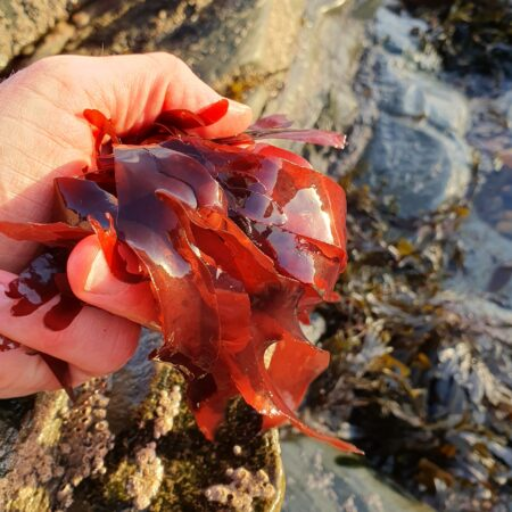
The harvesting procedure involves hand-cutting or trimming the top parts of the dulse plant with surgical precision. This leaves the base, or holdfast, unharmed which dulse can reproduce from after being harvested. The plant is best harvested during low tides, as this is when the dulse is easiest to reach. Although harvesting is done during very specific times and conditions, sustainability guidelines still prevent harvesting immature dulse. This is done so that the surrounding environment isn’t harmed and the region can continue to thrive.
Traditional Harvest Methods
Long-standing harvesting methods of dulse seaweed have incorporated crop rotation and mariculture systems that are ecology-friendly. A commonly used strategy to avoid damaging the holdfast which is the part where the seaweed is attached to the rocks, is hand-cutting seaweed during low tides. This guarantees that dulse will continue to provide naturally, thereby serving as a renewable resource for future harvesting.
Modern aquaculture techniques have furtherога emphasized the necessity of these traditional techniques. Adopted in one of FAO’s reports, the accumulation of seaweed harvested and produced worldwide has grown expeditiously, recently peaking at over 35 million tons annually. Dulse, being a particularly essential resource, provides a vast share of this value. As a matter of concern, experts do point out that indiscriminate harvesting or mechanized ways of doing it will negatively impact the ecosystem which is why traditional hand cutting is needed.
Technological advances in marine science, like GPS mapping, assist certain harvesters in pinpointing and optimal collection points which ensures minimal environmental impact. Moreover, monitoring the region’s water quality with sensors guarantees that the dulse is retrieved from clean environments which ensures that the nutritional value and market demand for the product is protected.
The industry of dulse harvesting is attempting to meet the global demand while also preserving the oceans for future generations by combining modern innovations with traditional methods.
Modern Techniques in Dulse Collection
New technology has significantly increased the efficiency and sustainability of dulse harvesting. Combining drone technology with marine vegetation mapping serves as a perfect example. Drones can cover large stretches of the coastline, capturing dulse growth regions using high-definition and multispectral cameras, relieving humans of backbreaking manual work. This approach reduces the negative impact on nature and maximizes harvest efficiency.
Also, the application of AI technologies for coastal ecosystem monitoring has been a game-changer. Algorithms can analyze massive quantities of data gathered from satellite pictures, marine temperature gauges, and tidal movements to pinpoint optimal harvesting times. Recent research suggests that such predictive technologies can boost harvesting efficiency by as much as 30%, guaranteeing the responsible use of underwater resources.
Modern approaches also apply the use of aquaculture technologies to grow dulse in artificial environments. These techniques simulate natural light and tidal movement, enabling year-round production and reducing reliance on wild populations. Aquaculture systems also conserve biodiversity in coastal regions because they help alleviate pressure on natural ecosystems.
The use of technology alongside other forms of knowledge shows that the industry is trying to adopt more environmentally friendly practices. These strategies not only protect the quality and quantity of dulse available but also safeguard fragile ocean habitats for future generations.
Environmental Impact of Dulse Harvesting
When performed sustainably, dulse harvesting can pose a minimal impact on the environment and can be beneficial to the marine ecosystem. As some recent studies suggest, sustainable farming practices of seaweed, which includes dulse, can help improve the quality of water by alleviating the worrying buildup of nitrogen and phosphorus in coastal waters, also known as eutrophication. Moreover, these seaweed fields act as carbon sinks which greatly help in reducing greenhouse gas emissions.
Farming dulse does not require freshwater, land, or even chemical fertilizers, which in turn makes it ean co-friendly land-based crop alternative. In a 2023 report, it was noted that irresponsibly overwarming the seaweed can damage marine ecosystems which depend on the seaweed beds for food and shelter.
As an example, selective hand harvesting is preferred as it allows for cutting only certain portions while ensuring the dulse can naturally regenerate. Some dulse farms employ the use of biodegradable ropes that do not harm the environment to greatly reduce pollution.
Approximately 35% of seaweed farms, which includes dulse farming facilities, are now using Integrated Multi-Trophic Aquaculture(IMTA), which involves growing seaweeds with fish and shellfish, to make the farming practices more environmentally friendly.
These findings highlight the need to advance dulse fishing practices to enhance market supply without risking ecological damage.
Why is Dulse Considered a Superfood?

Dulse holds the title ‘superfood’ for the reason of its mind-blowing nutritional features. Some highly essential vitamins and minerals, such as iodine, potassium, iron, and vitamin B12, are plentiful in dulse to help maintain a healthy lifestyle. Dulse, with its protein and powerful antioxidants, bolsters the protein intake. These reasons give dulse a respectable place in a healthy diet. Its high fiber content supports digestive health and its natural iodine helps the body’s thyroid function. Thus, Dulse certainly proves to be not just super but incredibly useful for a healthy lifestyle.
Health Benefits of Edible Seaweed
Recent studies and data demonstrate that edible seaweed is a powerhouse of nutrition, containing a plethora of nutrients and health benefits. Seaweed is rich in nutrients such as iodine, magnesium, calcium, and vitamins A, C, E and K. A seaweed study published at the National Institutes of Health (NIH) claims that it is an excellent source of iodine, which is vital for maintaining a healthy thyroid gland and the secretion of thyroid hormones. Low seaweed consumption can lead to hypothyroidism due to iodine deficiency, showcasing the importance of seaweed for diet pertaining to thyroid health and well-being.
Moreover, seaweed contains a unique type of fiber known as alginate that aids with weight loss by decreasing fat absorption in the intestines. Research published in Food Chemistry claimed that alginate can block up to 75% of fat digestion, showcasing possible anti obesity attributes. In addition, seaweed contains antioxidants such as fucoxanthin and phlorotannins which aid with oxidative stress and inflammatory reduction, potentially diminishing the risk for chronic diseases such as cancer and heart disease, further emphasizing the health benefits of seaweed.
Seaweed is well-known for its benefits regarding gut health. Seaweed contains polysaccharides like fucoidan that help in the propagation of beneficial gut bacteria, thereby improving digestion and boosting immunity. New research from Frontiers in Marine Science has highlighted that regular intake of seaweed can better one’s gut microbiome, thus improving health.
Apart from these individual perks, the addition of seaweed improves nutrition on an environmentally friendly scale. Seaweed farming does not use up fresh water or fertilizers which minimizes the pollution of our ecosystem. Consumption of seaweed improves human health while aiding in conservation. These many benefits of seaweed reveal its significance in modern diets as a valuable superfood.
Nutrient Profile: Iodine and Potassium in Dulse
From a culinary perspective, red seaweed dulse offers a good source of iodine and potassium.
Iodine: The importance of iodine in monitoring health, particularly for the thyroid, is well documented, and dulse is a natural source of iodine. The Dulse published serves as a support for nurturing and revitalizing overall metabolism alongside growth and development. Dulse provides a large part of the average 125 Micrograms of iodine suggested by NIH. It becomes easier for an individual suffering from iodine deficiency to incorporate dulse into their system due to the levels of deficiency.
Potassium: With the potential of a strong deficiency. Dulse has surfaced with a lot of interest due to its abundant content. Along with monitoring the pressure, potassium fortifies the nerves, muscle contraction and the whole cardiovascular domain. A mark that has piqued the eye of the researcher is, these attributes are provided drastically in dulse, up to 2500mg per 100 grams.
Dulse is unique not for its taste but for its value which is vital to life, making it sustainable and easy to maintain.
Dulse as a Plant-Based Snack Food
Dulse has become a trendy and unique plant-based nutritional snack, especially for eco-conscious individuals. Dulse’s sharp umami taste complements its dry, crisp texture, making it a savory treat. Nutritionally, dulse is rich in protein, dietary fiber, iodine, potassium, magnesium, and calcium which makes it a convenient snack to consume on the move.
Affordable health has become a new hype over the years. Dulse’s ability to complement these trends paints a picture for the future growing snacks industry. Forecasted growth of seaweed-based snacks is expected to reach $2.9 billion by 2025. Dulse is especially attractive for vegan and vegetarian consumers as it is a plant-derived protein and natural salts without unnatural additives. Its low-calorie and low-fat composition makes it even more appealing.
Dulse is now being combined with other herbal and nutritional flavors to create dulse-infused trail mixes, dulse jerky, and even smoked dulse chips. With these innovations from manufacturers, dulse is ensured a continuous spot in the market for plant-based snacks with its versatile applications and recognized health benefits.
How Can You Use Dulse in Cooking?
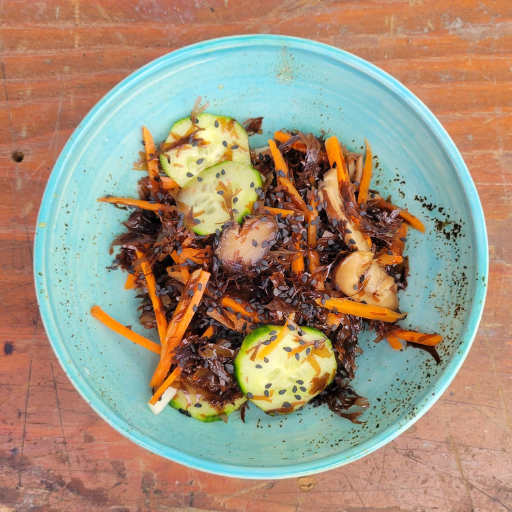
Dulse is a unique food delicacy and dulse can amuse people day in and day out. Dried dulse seasoning is sprinkled over salads, soups, or even popcorn, adding umami to the dish. Dulse works great with starchy dishes such as stir fry, it can also serve as a topping for roasted vegetables. Sea lovers can add dulse to smoothies or even blend it into dips to… well, dip into the sea. Dulse can serve as a snack as well, It can be baked into chips or even toasted for a crunchier texture. Dulse is a bold ingredient that can complement sea flavors and infuse them all into everyday meals.
Incorporating Dulse Flakes in Salads and Soups
Dulse flakes add valuable nutrients, including iodine, potassium, and vitamins, to soups and salads. They also improve the flavor of simple green salads or more complex vegetable, legume, or grain salads by adding a savory, umami taste. A new study discovered that dried dulse contains up to 34% protein, making it highly beneficial for vegan and vegetarian foods.
Dulse flakes also improve soups by enhancing broth with a mild, briny flavor of the sea. Dulse flakes dissolve easily when added during the cooking process. Fine dulse flakes improve nutrient levels in food as dulse is high in iodine which is crucial for the thyroid gland. The high level of fiber found in dulse also increases digestive efficiency. Whether incorporated into the soup base or used as a seasoning, dulse flakes enhance the texture and taste while also improving the protein content, shifting the definition of basic meals to soups rich in nutrients.
Recipes Featuring Whole Leaf Dulse
Dulse and Potato Soup
A soup that is deeply satisfying and warms the soul for cold days. Add diced potatoes, onions, and garlic alongside a handful of whole leaf dulse. Sauté onions and garlic in olive oil, then add the potatoes, cover them with vegetable stock, and simmer until tender. Stir in rehydrated dulse leaves for added brininess and umami boost. Garnish and serve warm. The soup not only showcases dulse but also aids in iodine, potassium, and antioxidant intake.
Whole Leaf Dulse Salad
To make refreshments with a blend of nutrients, mix whole leaf dulse with lettuce, cherry tomatoes, cucumbers, and add some vinaigrette to taste. Whole leaves of dulse are fully cooked or soaked in hot water to soften them before mixing them into the salad. Apart from dulse’s magnesium and calcium content which elevates calcium, combined with the oceanic flavor, it enhances the bound nutrient value of the salad.
Noodle Stir-Fry with Dulse
For an innovative approach, include whole leaf dulse in your stir-fry. Prepare your preferred noodles with bell peppers, broccoli, and snap peas. Add rehydrated dulse leaves and a splash of soy sauce or tamari towards the end of cooking. Dulse adds rich, savory umami flavor to balance the dish’s sweetness and saltiness. It also makes the recipe more suitable for those seeking plant-based nutrition because of its vitamin A and B12 content.
Oven-Baked Dulse Chips
These oven-dried dulse chips are quick and easy to make, and so nutritious that they can replace regular potato chips. Place whole dulse leaves on a baking tray and brush them lightly with olive oil. Season with sesame seeds or smoked paprika and bake for 5-8 minutes at 325°F (165°C) until crisp. They are tasty sea-flavored snacks rich in iodine.
Every recipe highlights the unmatched culinary potential of whole leaf dulse while increasing its health benefits, as well as its rich flavor and ability to enhance both savory and inventive dishes.
The Versatility of Dulse in Chowder and Stew
Some people may know dulse as the seaweed that’s packed with nutrients, whereas to some chefs and home cooks, it’s a secret ingredient that enhances the flavor of chowders and stews. Dulse specifically helps improve the texture of thick soups. Like most seaweed, dulse is a great source of vitamins and minerals because it contains iodine, magnesium, calcium, and potassium, along with vitamins, minerals, and antioxidants.
Adding dulse to chowders raises the food’s umami flavor. Along with its briny taste, the seaweed is slightly salty which works with cream-based potatoes, corn, or even seafood. Additionally, because dulse is so flavorful, it minimizes the need to add extra salt. As an example, the flavorful broth obtained from dulse remains well-balanced when paired with cream. Also, dulse acts as a thickening agent which improves chowder’s consistency.
Likewise, in stews, dulse is both a seasoning and a rich source of nutrients. Incorporating fresh or dried dulse into either a meat or vegetable stew improves balance and flavor while providing the dish with valuable amino acids and fiber. For vegan recipes, dulse adds a rich, smoky flavor that suggests meat or bone broth was used. Other research has noted that seaweeds such as dulse might help support cardiovascular health because of their high levels of antioxidants and cholesterol-lowering properties.
Use of seaweed, including dulse, was noted in a 2023 Marine Foods Journal study that highlighted the growing use of seafood in international cuisine because of its health benefits and ecological friendliness. Recipes that incorporate dulse not only promote sustainable dietary choices but also inspire new culinary creations. When dulse is added to chowders and stews, these dishes are not just more nutritious; they also honor the wonderful tradition of cooking with sea vegetables.
Where Does Dulse Grow?
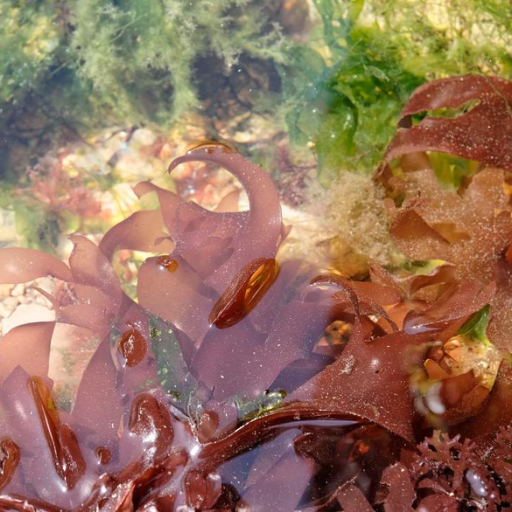
Dulse is often found growing along the shores of the Northwest Pacific and the North Atlantic oceans. It prefers to grow in cool waters which are rich in nutrients, often found attached to stone or shell within the intertidal with a depth range of 0 to 60 meters. Regions like Canada, Ireland, parts of Scandinavia, and Iceland have very good dulse harvesting regions, thus making them well-known.
The North Atlantic and Maine Coast
Harvesting dulse is concentrated in the North Atlantic Ocean because its waters are cool and rich with nutrients which support optimal growth. Along the Maine Coast, dulse has served as both a food source and, diet staple, and for centuries as a cultural byproduct. Dulse’s perfect growing environment occurs when it grows on rocks and is periodically exposed due to tidal changes; Maine’s shoreline intertidal zones tend to be the most suitable.
Recent reports suggest that the seaweed industry along the Maine coast is growing, with dulse being one of the most popular varieties. Research claims that dulse grown in this area is a good source of protein and rich in various minerals like iodine, iron, and potassium, thus making it increasingly important in contemporary diets. A heightened focus on food sustainability and local sourcing has only contributed to its growing consumption.
The harvesting of dulse in Maine takes place during the summer months of June to September, and is accomplished through dulse picking by hand to protect the environment, as the dulse grows wild and maintaining its natural state is very important. This method follows sustainable practices in dulse harvesting and greatly helps the local harvesters in earning their livelihoods. As reported lately, there is an increasing need for dulse and this is improving the technology in dulse aquaculture to allow better-controlled dulse farming without putting pressure on wild resources.
Regions of the Northern Coasts and Beyond
The northern coasts, notable for their biodiversity and clean marine environments, harbor a variety of ecosystems that are essential for the growth of dulse and other marine resources. The coasts of Ireland, Iceland, and Canada which include the Canadian Maritime provinces like New Brunswick, Nova Scotia and Prince Edward Island, are some of the prime areas. These regions not only have favorable conditions for the natural growth of red algae, but have also adopted aquaculture.
Recent studies indicate that the global seaweed industry which encompasses dulse, has an estimated value of $26 billion by the year 2028 with a compound annual growth rate (CAGR) of 10.8%. This carefully reinforces the need for coastal areas to sustain the ever-growing need for efficient and healthy food resources. Unlike other areas, innovators in Iceland developed advanced farming processes that utilized dulse and ocean currents, while Canadian innovators focused on community-based management for better environmental oversight and economic growth. Furthermore, also to the north, Japan and South Korea are active who supporting the development of aquaculture technologies, providing an international view on sustainable harvest practices. Such a system underscores the importance of international collaboration for the protection of marine species from overfishing and for the sustainable use of the resources. These activities illustrate the importance of the northern coasts and their adjacent areas in the development of the marine industrial economy globally.
Comparing Atlantic and Pacific Oceans for Dulse Growth
The cultivation conditions of dulse (Palmaria palmata) differ significantly across the two Oceans because its dulse yield and quality are considerably influenced by environmental factors such as temperature, salinity, and nutrient availability. Eastern North America Dulse Harvesting Areas and the North Atlantic marine regions have favorable conditions, allowing them to take full advantage of nutrient-rich waters provided by oceanic currents like the Gulf Stream.
2. Atlantic Ocean Suitability:
The Atlantic Ocean, especially the Northern part of the North Atlantic, has an ideal dulse habitat. The temperature range between 4-18 degrees Celsius is appropriate for dulse growth. In addition, the Atlantic has an abundance of ocean current group which provides further assistance underfae market conditions, making the availability of vitamins and nutrients like potassium and magnesium essential for dulse growth. The vicinity is also known to support dulse harvesting, which is sustained by the natural dulse that is available in Ireland, Iceland, and Canada.
2. Suitability of the Pacific Ocean:
Dulse farming is possible in a wide range of areas because the Pacific is the most diverse ocean. From the North Atlantic to Alaska and Northern Japan, Bthe ig North Pacific has cooler coastal regions that enable robust dulse growth. But the warmer southern Pacific or equatorial regions are less conducive for growth due to hot water temperatures. Nutrient distribution in the Pacific is also inconsistent. Certain regions have oscillating patterns of nutrient upwelling or depletion which affect overall yield consistency.
3. Comparison of Yield and Growth Rates:
Dulse grown in the Atlantic exhibits comparatively swifter growth, particularly during winter months, because of the stable temperatures and prominent nutrient profile available. While Pacific dulse is found to be more adaptable to ever-changing conditions, making it grow at different rates depending on the time and location 4. Economic and Practical Considerations:
The sustainable traditional practices and knowledge that smaller communities still rely on usually benefit dulse harvesting in the Atlantic. On the other hand, controlled seaweed farming utilized in countries like Japan reflects the innovative aquaculture practices of the Pacific.
Combining the dulse growing practices from both oceans would likely allow for the creation of optimal cultivation practices, improving dulse production worldwide. A greater understanding of regional opportunities and constraints, however, is necessary to provide for the sustainable development of this marine resource.
Reference Sources
- Development and Evaluation of a Static Land-Based Aquaculture System for Pacific Dulse (Devaleraea mollis)
This study looks into the cultivation of Pacific dulse in a static aquaculture system and its corresponding environmental and nutrient needs.
- Pacific Dulse: A Promising Macroalgal Resource for Functional Food Use
This work elaborates on Pacific dulse’s potential as a functional food, focusing on various aspects of metabolic health research.
- Anti-Obesity and Metabolic Health Impact of Pacific Dulse (Devaleraea mollis) and Nori (Pyropia spp.) Seaweeds
Focuses on the benefits of Pacific dulse on the anti-obesity and metabolic health aspects of a Western diet-induced obesity model.
Frequently Asked Questions (FAQs)
Q: What is dulse?
A: Dulse is a type of red seaweed, also known as Palmaria palmata, commonly found along the northern coasts of the Atlantic and Pacific Oceans. It is an edible seaweed often used as a sea vegetable in various dishes.
Q: What are the nutritional benefits of dulse?
A: Dulse is nutritious and rich in minerals like iodine and potassium. It also contains vitamins and provides a source of plant-based protein, making it a healthy addition to diets as a snack food or in meals.
Q: How is dulse harvested?
A: Dulse is typically harvested during low tide by handpicking the seaweed from rocks along the coast. The harvested dulse is then dried and can be used in various forms, such as whole leaf dulse, dulse flakes, or as a dried dulse product.
Q: How can I use dulse in cooking?
A: Dulse can be used in salads, soups, stews, and chowders. It can also be eaten as a snack food or used as a condiment. Some people enjoy it as a seaweed that tastes like bacon due to its umami flavor when fried.
Q: Is dulse similar to other seaweeds like kelp or sea lettuce?
A: While dulse is a type of red alga, kelp and sea lettuce are different types of seaweeds. Dulse has a leathery texture and a distinctive taste, often described as umami or like bacon, setting it apart from the others.
Q: What is the life history of Palmaria palmata?
A: The life history of Palmaria palmata, or dulse, includes a complex lifecycle with stages that involve tetraspores and other reproductive processes. It thrives in cold, nutrient-rich waters and can be found attached to rocks in the intertidal zone.
Q: Where is dulse most commonly found?
A: Dulse is most commonly found along the northern coasts of the Atlantic, particularly in areas like the Maine coast and the Arctic. These regions provide the ideal conditions for its growth and harvest.
Q: What are some popular dulse products available?
A: Popular dulse products include whole leaf dulse, dulse flakes, and dried dulse. These products are often marketed as organic dulse or certified organic sea vegetables, offering versatility for culinary use.
Q: Can dulse be considered a plant-based alternative?
A: Yes, dulse is a plant-based sea vegetable that can be a nutritious alternative for those seeking to add more plant-based ingredients to their diet. Its umami flavor makes it a popular choice for those looking for a seaweed that tastes like bacon.


