
Processing payments efficiently and safely is the infrastructure behind any successful business: whether it is a retail shop or a large establishment. First Data, a recognized leader in payment technology, delivers tailored solutions to smooth POS transactions. This article discusses how these solutions empower businesses in giving impressive customer experiences, attaining operational efficiency, and sustaining a competitive edge in a fast-paced world. Starting from rock-solid hardware with the latest software integrations, the array of First Data tools is fitting for contemporary businesses, assuring payment processing with convenience and security. Continue reading to know how First Data is transforming the point-of-sale systems and helping businesses of all sizes actualize their full potential.
Understanding First Data and Its Role in Payment Solutions

First data in the world of payment solutions provides certain businesses with a set of reliable and secure tools for processing transactions. It offers a range of services that include payment gateways, POS systems, and fraud prevention solutions, all designed to maximize operational efficiency and customer satisfaction. By enabling smooth payment experiences across multiple channels, First Data assists its customers in the management of transactions while ensuring that all security and compliance requirements are met.
Overview of First Data
Today, under the umbrella of Fiserv, First Data ranks globally as a leader in payment processing and fintech. It provides comprehensive solutions that fit the various requirements of businesses, whether large or small, enabling efficient payment handling via products offered like Clover point-of-sale systems, ecommerce payment platforms, and merchant account services. Destination First Data stands for quality and scalable infrastructure that supports credit card processing, mobile payments, and gift card management, integrating fraud detection solutions from inception to protect every transaction. The innovative service allows businesses to process omnichannel payments seamlessly while staying true to compliance regulations.
Acquisition by Fiserv
First Data was acquired by Fiserv in July 2019. Fiserv is a global provider of financial technology solutions. The acquisition was worth $22 billion and was aimed at joining forces to increase the companies’ ability to provide innovative payment and financial services. The merger enhanced the product portfolio of Fiserv, particularly in merchant solutions, whilst utilizing the expertise of First Data in payment processing and point-of-sale technologies. This merger resulted in putting the combined entity as a power player in payments and fintech, with an agenda to essentially provide businesses of all sizes with seamless, secure, and efficient solutions.
Headquarters and Global Reach
The Brookfield, Wisconsin, USA, headquarters serves as the nerve center for Fiserv’s strategic operations. They have an international presence, with offices and service centers spread across North America, Europe, Asia-Pacific, and Latin America. Leveraging its wide network, Fiserv provides innovative financial services to the customers in over 100 countries. This global scope allows the company to serve varying market needs, fortify partnerships, and provide support to businesses with tailor-made solutions across multiple industries worldwide.
Payment Types Offered by First Data
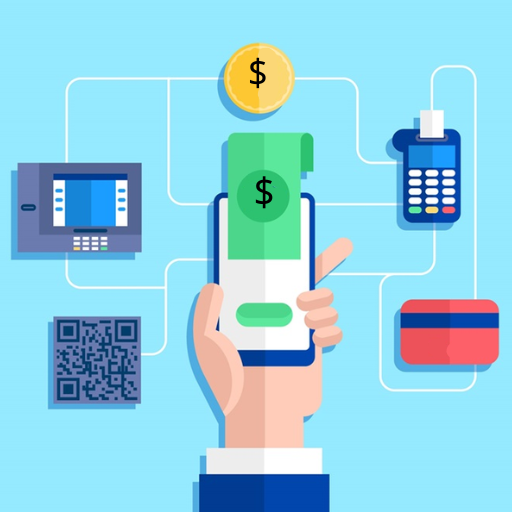
Fiserv’s First Data offers a comprehensive range of payment types, including credit cards, debit cards, electronic checks, ACH payments, gift cards, prepaid cards, and mobile payments.
|
Key Point |
Details |
|---|---|
|
Credit |
Payments via credit card networks like Visa and Mastercard. |
|
Debit |
Direct account-based payments using debit cards. |
|
E-Checks |
Digitized check processing for electronic funds transfer. |
|
ACH |
Bank-to-bank automated clearing house transactions. |
|
Gift Cards |
Preloaded cards for consumer purchases or gifting. |
|
Prepaid |
Cards accessible only after preloading funds. |
|
Mobile |
Payments made via smartphones or apps like NFC wallets. |
Traditional Payment Methods
Traditionally accepted means of payment include cash, check, and credit card or debit card transactions. Cash is a universally accepted mode of payment wherein the holder has the right to immediate transfer. Checks, on the other hand, are written instructions to instruct the bank to pay a certain sum of money from the account of the drawer to the person named in the check or bearer-whichever newer concept. Credit and debit cards from different banks are used as means to effect easy and fast transactions through a global card network-provided consumers have protection in case of credit cards. These methods of payment have stood the test of time and have proven to be highly reliable and simple, but are sometimes found lacking by virtue of the very digital realm where modern payment solutions exist.
Digital Payment Solutions
Digital payment solutions refer to the application of various methods that transact electronically, thereby granting speed, security, and convenience. Businesses primarily supported by mobile payments include mobile payment applications, digital wallets, and online banking systems. Mobile payment applications like Apple Pay, Google Pay, and Samsung Pay make use of near-field communication (NFC) technology to carry out contactless payments and ensure that the transfer remains secure and rapid. Whereas digital wallets provide a service of topping up funds, linking bank accounts, sending, or receiving money across their huge networks. Online banking goes further with directly managing financial accounts through secure portals performing bill payments, fund transfers, and account management.
These systems guarantee the user data privacy and transaction security backed by highly robust encryption tools, multi-factor authentication, and tokenization to thwart fraudulent attempts. Furthermore, the high versatility of digital payments has fueled their growth, getting them integrated at high rates with online platforms, point-of-sale systems, and international remittance services. Thus, they compete with traditional payment solutions, granting consumers more comfort whenever they indulge in e-commerce or cross-border transactions.
Omnichannel Payment Integration
Omnichannel payment integration is the process of integrating multiple payment options across various channels to provide users with a unified and consistent experience. Hereby, businesses will be enabled to foster payment transactions online, in-store, or through mobile apps or with other touchpoints-all of which are centrally managed. Synchronized payment data between channels enhance operational efficiency, support faster transactions, and allow customers to pay for their purchases the way they want to, inter alia-w/o interference. Frontline rollout shall always ensure real-time system updates, rock-solid security, and analytics-driven actionable insights into consumer behavior, hence helping brand loyalty in return.
Point of Sale (POS) Systems and Their Importance

POS systems are a necessity for any modern business as they smooth transactions, record centralized sales data, and provide higher operational efficiency. Further, they handle stock, track consumer purchases, connect to other business applications for real-time data updating, as well as do data analysis. Establishing layers of payment security along with multi-channel functioning and offering intuitive user interfaces make the systems extremely attractive in terms of customer experience and provide businesses with the insights required to strategize and grow sales.
Features of First Data POS Solutions
1.Payment Processing: Process payments of all sorts, through credit card and debit card payments, contactless payments, and all the different mobile wallet payments, thus assuring smooth and secure transaction sociabilities.
2.Cloud-Based Integration: Being cloud-based, it can allow managers to get data from anywhere anytime, synchronize data through multiple devices, and present reports.
3.Customizable Interface: Has a user-friendly interface adaptable to business needs, some of which drive productivity and easy legibility.
4.Inventory Management: Track and manage inventory through the built-in stock tools to maximize inventory levels, minimizing waste.
5.Advanced Security Features: Encryption and tokenization technologies are in place to protect sensitive customer information and meet standards such as PCI DSS.
Benefits for Small and Medium Businesses
1.Cost-effectiveness: Offers cost-effective alternatives aligned with the budget limitations of small and medium businesses, hence avoiding heavy upfront investments.
2.Scalability: Presents customizable tools and functionalities that could consequently grow with the business, making it panacea to sustain and to expand.
3.Improved Decision Making: Gives access to real-time information and analytics, thereby enhancing the ability of a business to make decisions based on data.
4.Enhanced Customer Experience: Provides personalized and timely services to the customer through systems integrated with each other, which creates customer gratification and loyalty.
5.Streamlined Operations: Automates mundane processes, saving time and thereby curbing potential inefficiencies arising from manual interventions; thus promoting organizational efficacy and productivity.
Streamlining Transactions with Clover
Clover streamlines transactions to offer a single integrated platform fulfilling all needs ranging from payment processing to inventory management and other customer engagement tools. Their customized POS software and hardware permit businesses to accept different payment methods without a hitch-from making payments using credit cards, payments through contactless means, or mobile wallet acceptance. It further provides very deep analysis and detailed reports about sales trends and the performance of a company on real-time occasions, thereby allowing companies to make decisions. By entering automation and improved customer interactions, Clover reduces operation complexities and increases operational efficiencies.
Financial Services and Business Solutions

Clover’s financial services and business solutions are carefully suited to fulfill various critical operational needs. Integrating modular tools for payment processing enables businesses to accept transactions on different platforms securely, promoting flexibility and customer satisfaction. The system’s analytic capabilities are quite advanced, providing real-time data monitoring, thereby allowing businesses to spot trends, create more efficient workflows, and make decisions on a data-valid basis promptly. In addition, automated features cut down on manual tasks performed by humans, enhancing accuracy and saving quite some time. These solutions are designed to help simplify operations while helping them grow and provide a better customer experience.
Custom Financial Solutions for Different Industries
Custom financial solutions are designed particularly to fulfill unique requirements of various industries, thereby ensuring that businesses are rightly equipped with tools to optimize their operations and realize growth potential. For example, in the healthcare industry, financial services might tend to revenue cycle management, patient payment systems, and adherence to regulatory frameworks. Similarly, the retail industry might require custom solutions that could include point-of-sale financing, dynamic price modeling, and inventory funding, all geared toward enhancing cash flows and operational efficiency. Manufacturing firms, meanwhile, tend to specialize in finance for equipment procurement, supply chain optimization, and scalable investments to increase production output quantitatively.
Designed to be flexible and adaptable, a solution enables a business to counter the ever-varying challenges specific to a given industry with efficacy. Integration of advanced technology, say cloud-based financial software, and AI-backed analytics serve to simplify complex processes, cut down costs, and facilitate data-driven decision-making. Industry-specific customized financial plans serve as a medium through which businesses prepare to face challenges not just in managing the ones of today but withstanding and standing tall amidst a fast-evolving economic climate in the future.
Enabling Commerce through Technology
Being an enabler of commerce, technologies have facilitated the genesis of modern commerce, with business houses today striving to achieve operational efficiency and enhanced customer experience and extending their international presence. E-commerce, AI-based recommendation engines, and digital payments are supporting easy cartridge purchases while improving efficiency. As we talk of cloud computing and big-data analytics, these technologies harmoniously strengthen supply chain optimization, personalized marketing strategies, and identification of avenues for new markets. Cybersecurity technologies, on the other hand, help secure transaction procedures and ensure customer data is treated as a trusted commodity, thereby allowing its trusted growth in an increasingly digitized marketplace.
Case Studies: Successful Implementations
Amazon, Walmart, and Alibaba are exemplary case studies showcasing the successful integration of digital technologies to streamline operations, enhance customer experiences, and drive business growth.
|
Company |
Key Tech |
Focus |
Outcome |
Efficiency |
|---|---|---|---|---|
|
Amazon |
Cloud, AI |
E-commerce |
Faster delivery |
Increased |
|
Walmart |
Big Data, IoT |
Inventory Mgmt |
Stock accuracy |
Optimized |
|
Alibaba |
AI, Analytics |
Global Supply |
International reach |
Enhanced |
The Future of Payment Technologies
The future of payment technologies promises greater digitization, security, and accessibility. With technologies such as blockchain, biometric authentication, and AI-powered fraud detection, there comes the promise of seamless and secure transactions. Contactless payments, cryptocurrencies, and decentralized finance are gaining traction as faster and more inclusive ways to send payments. Further, embedding payments into smart devices and wearables offers a higher degree of convenience and aligns well with everyday life activities. These emerging payment technologies set an undeniable cashless economy in motion fulfilling global demands of transparency, efficiency, and user experience enhancement.
Trends in Digital Payments
Based on existing knowledge, digital-payment trends are shaping the future of commerce through technological innovations and changing consumer expectations. Contactless payments are becoming the norm due to their quickness and security, by thanks mostly to emerging NFC (Near Field Communication) technology. Cryptocurrencies and blockchain-based solutions are also gaining prominence, providing decentralized and secure options to transact. Meanwhile, these payments coming from wearables and IoT devices fulfill customers’ demands for convenience and personalized experience. Altogether, such innovations clearly indicate the transition towards a society that prefers cashless transactions, efficiency, and transparency.
The Role of AI and Machine Learning in Payments
Artificial Intelligence (AI) and Machine Learning (ML) are transforming the payments industry to become faster, secure, and more personalized. They serve as the backbone in fraud detection by sifting through enormous datasets in real time to alert anomalies and flag suspicious activities. An AI-powered solution can also streamline throm processing inefficiently and with errors. In addition, ML-enabled systems allow for personalized engagements with customers, such as forecasting spending patterns and offering targeted financial services. On the utilization of AI and ML, payment industry participants can improve operational efficiencies, enhance security, and offer a payment experience characterized by smoothness and refinement, all ingredients crucial in the shaping digital payment environment.
Preparing for Emerging Payment Types
To prepare effectively for emerging payment types, businesses must build robust technology infrastructure capable of supporting multiple methods such as cryptocurrency transactions, contactless payments, and mobile wallets. Interoperability between platforms should be the top priority to enable smooth integration with evolving ecosystems. Keeping up-to-date on changes to the regulatory environment and complying with them is also crucial for smooth adoption. AI-based analytics will allow the best prediction of trends and customer preferences for timely implementation of strategy. By prioritizing those features that ensure flexibility, security, and scalability, a company can strategically position itself in a fast-paced payments ecosystem.
Reference Sources
-
Processing Solutions for Financial Institutions – First Data – Covers comprehensive processing solutions for electronic payments and lending.
-
Merchant Services | Payment Processing Enterprise Solutions – Discusses advanced payment acceptance integration for SaaS and mobile applications.
-
Payment and POS Solutions – First Data – Fiserv – Explores point-of-sale solutions and their capabilities beyond payment acceptance.
-
Point-of-Sale (POS) Terminal Solutions – First Data – Details POS terminal solutions, including support for various payment methods.
-
First Data Overview – Provides insights into First Data’s services, including fraud detection, POS solutions, and online/mobile payment options.
Frequently Asked Questions (FAQs)
Q:How can small businesses take advantage of First Data’s financial services technology?
A:First Data provides various financial services technology for small businesses to process payments and manage cash flow. Using First Data’s solutions, small businesses can efficiently pay and make transactions, thereby focusing on growing the business and customer delight.
Q:What is the function of First Data as a payment processor for POS systems?
A:First Data acts as a payment processor for POS systems, giving businesses the tools they need to accept payments through different avenues securely. Also, it processes transactions swiftly from everywhere, including mobile banking and pin-based debit acceptance.
Q:How does First Data lead to small businesses acquiring new customers?
A:First Data helps small businesses obtain new customers by providing state-of-the-art solutions enhancing a customer’s experience. Encouraged by mobile payments and an omnichannel ecosystem, a business can be reachable to more customers from all areas, thus attracting more buyers.
Q:What is the importance of the karat token in payment processing?
A:In payment processing, the karat token is important in improving security by substituting sensitive card data with a unique identifier. This not only prevents fraudulent activities but also ensures that customer information is safe along with the facilitation of transactions through any channel.
Q:Are there any other charges associated with First Data’s services?
A:First Data offers competitive pricing but may include extra fees depending on the services and features opted for. It will serve a business well to review the company’s privacy policy and service agreement for any affixed extra costs involved in using their platform.
Q:Does First Data’s platform support refund and chargeback?
A:Yes. First Data’s platform supports the processing of refunds and chargebacks. Businesses can easily perform refund operations at their point of sales, which simplifies the procedure of handling customers’ transactions and fostering customer satisfaction.
Q:How does First Data protect the privacy of customer information?
A:First Data ensures greater privacy by incorporating robust security measures and following stringent privacy policies. Customer data is encrypted and tokenized while in transit to prevent unauthorized access. This way, the provider keeps information about the client’s sensitive details highly secure.
Q:What is the advantage of First Data services in global commerce?
A:First Data offers various global commerce services that allow businesses to accept payments from anywhere over the world. Their platform supports multiple currencies and payment methods so that businesses can extend their reach without travelling the usual hurdles of cross-border transactions.


