
In the hierarchy of home remodeling, garages typically take the last place, even though they have the most room for improvement, further exploring their value and practicality for a property. A garage can be easily modernized by upgrading its flooring and this is by far the most important change you can make to the garage. You may be dealing with bare concrete floors, and polishing them will greatly enhance the aesthetic of your garage, and the right coating or tile makes all the difference. In this article, we will explore all the options out there for you, from resilient epoxy coatings to tiles, and we will help you improve the aesthetics and functionality of the garage. Prepare yourself to transform your garage into an attractive, practical space that exceeds all your expectations!
What Are the Different Types of Garage Floor Options?
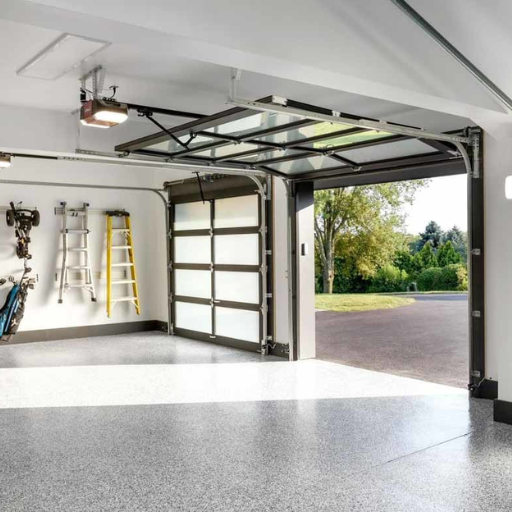
Look at some of the types of garage floors available, along with their benefits:
Epoxy Coating – A common choice because of its toughness and resistance to stain and chemicals. Provides smooth finishes which helps create a polished look.
Polyurethane Coating – Ideal for high traffic areas as it is flexible and resistant to abrasions. Adds a clear layer of protection but also works as an outer coating.
Garage Floor Tiles – Can be made of PVC or hard plastic. Easy to install and customizable which gives a sleek, professional look.
Concrete Stains and Sealers – An inexpensive alternative which improves the look of concrete while protecting it from basic wear and tear.
Rubber Flooring – Great for multi-purpose garages as it provides cushioning while being moisture and impact resistant.
Taking your needs and preferences into account will help you choose the most suitable garage floor that combines style and function.
Exploring Garage Floor Tile Choices
Garage floor tiles are aesthetically pleasing and practical for changing the overall appearance of your garage. Garage floor tiles come in various materials, designs, and styles to satisfy different tastes and requirements. Here are some of the most noted garage floor tile options:
Interlocking PVC Tiles
These tiles can be fitted without the use of glue, which makes the installation process quicker. Heavy-duty use in the garage is well supported by the chemical and stain resistance properties of PVC tiles. Most available interlocking PVC tiles are around $2 to $4 per square foot, depending on thickness and quality.
Rigid Plastic Tiles
Because these tiles are made out of hard polypropylene, they support heavy vehicles and equipment quite well. With the added benefit of being vented and color and pattern variety, they do not allow moisture its to hold. On average, rigid plastic tiles cost anywhere from $3 to $5 per square foot.
Rubber Tiles
With superior anti-skid and shock absorbent properties, rubber tiles are excellent for use in recreational and workout garages. Although rubber is softer than other types of materials, they can easily bear the weight of vehicles. Rubber tiles are within the price range of $2-$4 per square foot.
Vinyl Composite Tiles (VCT)
Vinyl composite tiles are some of the cheapest flooring options. VCT tiles are also very resilient and maintain a sophisticated appearance, even in a garage setting. However, they may require regular maintenance through waxing. The cost ranges from $1 to $3 per square foot.
Stone Composite Tiles
Unlike actual stones, these tiles are effortless to work with. They provide a more elegant look while being durable and water-resistant, making them ideal for an upscale garage look. Prices typically range from $3 to $6 per square foot.
Peel-and-stick tiles
These are a great budget alternative as you can find them for $0.50 per square foot. Unlike other tiles, peel-and-stick solutions are easy to install and come in numerous colors and styles. Although they are less durable than other tiles, they are a great temporary solution.
So, while searching for garage flooring tiles, it is essential to focus on the durability, appearance, ease of installation, and resistance to stains and chemicals. Along with these information, users can customize their garage floors using tailor them according to their specific requirements.
Understanding Epoxy Floor Coating
Not surprisingly, epoxy floor coating is a popular choice in both residential and commercial spaces. The material is durable, features a glossy finish, and is abrasive resistant. Like other forms of coating, epoxy flooring coating is achieved by mixing a resin and a hardener, which yields a strong adhesive. This form of flooring is best fitted for garages, industrial spaces, and warehouses due to the floors’ resistance to chemicals and oil stains, as well as abrasion.
Recent studies demonstrate that epoxy flooring, when properly maintained, has a lifespan of 10-20 years. This makes it a cost-effective option in the long run. Additionally, epoxy seamless coatings create non-porous surfaces which are simple to clean, thus reducing maintenance costs. Because of their reflective properties, these coatings are known to enhance the brightness of an area by over 300%, which is a big plus for poorly lit spaces.
The floors can also be designed with various patterns that include solid colors, metallic finishes, and decorative flakes. To increase safety precautions, some modern epoxy formulations even include slip-resistant additives. However, proper surface preparation is critical to the longevity and adhesion of the epoxy coating. Professional care is often recommended due to nuanced performance factors like temperature and humidity during installation
Advantages of Using Garage Floor Mat Solutions
Garage floor mats offer a convenient and cost-effective way to protect and enhance your garage floor. These mats are easy to install, require minimal maintenance, and can be used in both residential and commercial settings. One of their primary benefits is their ability to shield the concrete floor from stains caused by oil leaks, chemical spills, and vehicle fluids, ensuring a cleaner and more professional-looking space.
Garage floor mats also provide excellent durability and resistance to wear and tear, standing up well to the weight of vehicles and daily foot traffic. Many modern options are designed with built-in water-resistant and slip-resistant properties, which help improve safety by reducing the risk of slipping on wet or icy surfaces. Furthermore, vinyl and rubber garage floor mats are often resistant to temperature changes, making them suitable for use in various climates.
A key advantage is their portability and versatility. These mats can be easily rolled out or removed as needed, which is ideal for renters or individuals seeking a non-permanent solution. The market offers a wide range of designs, from textured mats for added traction to modular options that can be customized to fit any space. Additionally, studies suggest that using mats can reduce noise levels in garages by absorbing sound vibrations, creating a quieter and more comfortable environment.
Lastly, garage floor mats are a sustainable choice. Many are made from recycled materials, contributing to eco-friendly practices. Their protective nature also extends the life of the original flooring, reducing the need for repairs and replacements, which can have a significant financial and environmental impact over time.
How to Install Garage Floor Coatings for Best Results?
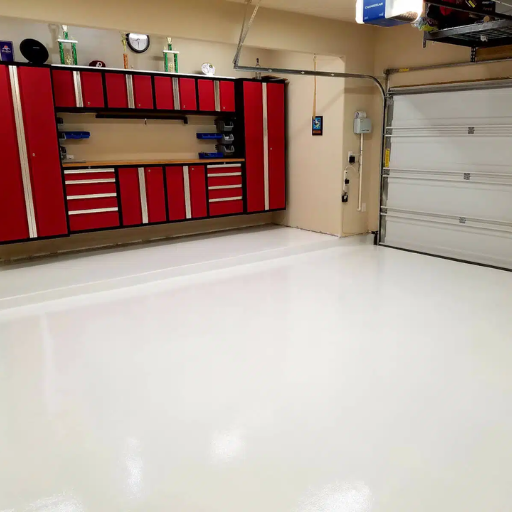
Preparing the Surface
Remove all dirt, grease, oil stains, and any other debris to clean the garage floor. Stubborn stains may require the use of a degreaser: scrub it with a brush, rinse, and let the floor dry completely.
Repair Cracks and holes
Check the floor to identify cracks, holes, and areas with uneven edges. All imperfections need to be filled and made smooth with a concrete patching compound. To carry on with the next step, make sure the area is clean of loose material and level.
Etch the Floor
For the coating to stick properly to concrete, etching is needed. For etching, use a concrete etching solution; remember to follow the manufacturer’s instructions. After etching, rinse the floor thoroughly and give it time to dry completely.
Add a Primer (If Necessary)
A primer may be needed to increase the adhesion of some coatings. Follow the instructions provided with the coating product to know whether a primer is needed or not. If needed, spread it evenly on the floor.
Adding the Coating
Like every other instruction, follow the ones given by the manufacturer of the coating material for guidance on mixing it. Make sure you apply steps chronologically; in this case, start using a roller or brush to apply in the corner of the room until you reach the exit. If recommended, put on additional coats on top after each coat has dried.
Permit Adequate Drying Period
Observe the outlined curing and drying schedules for the products. Do not walk or drive on the floor until it has cured fully, which is generally 24–72 hours based on the specific product used.
Cautious adherence to these steps will guarantee your achievement in applying a garage floor coating that is not only professional in appearance but designed for lasting resilience. Always check the product directions for particular instructions.
Step-by-Step Floor Prep for Coating
Let’s Tidy up the Floor
Start by taking everything out from the garage, including vehicles, tools, and furniture. Sweep away all debris, dirt, and dust. For optimum scrub, use a degreaser or concrete cleaner to scrub away grease, oil stains, and other contaminants. Make sure to rinse the floor thoroughly and take time to let it dry completely before proceeding.
Look for Damage
With caution, observe the garage floor for cracks, holes, or uneven spots, and use a concrete patching compound to fill cracks and repair holes. In the case of greater imperfections or uneven surfaces, consider using a self-leveling concrete mix to create an even surface. All repairs made have to cure completely before moving forward.
Conduct Moisture Tests
Moisture test plays an important role in ascertaining if coating will adhere properly. Tape a small plastic sheet to the floor and leave it for 24 hours. If moisture consolidates under the plastic, more time is required.
Execute Etching or Grinding
The coating will effectively bond only if the concrete texture is rough. For this, you can either use an etching solution like muriatic acid or rent a concrete grinder for more extensive preparation. After surface preparation, scrub it clean using water to eliminate any residue, then dry it.
Vacuum and Final Clean
Using a vacuum, remove all dust particles from the area. Mop the floor to remove any fine dust and debris. A clean floor ensures enhanced adhesion for the garage floor coating.
Tape and Protect Surfaces
Painter’s tape can be used on the walls, doorways, and other edges to ensure clean cuts and shield areas that won’t be coated. You can also go the extra step and cover the nearby areas with plastic sheeting or drop cloths.
Following this meticulous instruction for floor preparation will guarantee the best surface for your garage floor coating. The durability and aesthetic value of the final finish greatly rely on the steps taken prior. Like always, make sure to put on your safety gear before proceeding, and for best results, refer to the product-specific instructions.
Applying Epoxy Coating Correctly
To mix the epoxy coating, start by combining the resin with the hardener as per the manufacturer’s guidance. Employing a paddle mixer on a drill will provide a consistent mixture which is essential for a smooth finish. Remember not to exceed the mixed epoxy’s pot life, which on average is 30 minutes to 1 hour under specific conditions such as temperature or humidity.
Once the epoxy coating is prepared, start by stitching in all edges while using a brush. For the floor area, utilize a first-rate 9-inch roller that has a nap measuring 3/8 or 1/2 inches. Epoxy should be rolled in small sections while painting in a “W” pattern. To maximize adhesion and toughness, it is advisable to apply two coats of epoxy instead of a single thick layer. Ensure that the first layer is cured for 12-24 hours before the second layer is applied, but this should be done within the manufacturing guidelines regarding the recoat window.
Conebeam computing reconstruction remains a challenging problem in image and signal processing. One of the main difficulties associated with this task is the proper generalization and application of the model. After uniform coefficient estimation is attempted and set, one has to cope with completely different spatial configurations.
Guaranteeing sufficient ventilation during the application and the curing phases works to enhance safety and aid in the proper curing of the coating to the surface. Maintaining a clean area by eliminating any potential dust blockage, as well as refraining from stepping on sections of the area under overlap, will permit customization on the segments with no placement of coverings until such a region is deemed finished. With this attitude directed towards details, reach the sense for true professionalism combined with restfully confident style for enduring epoxy beauty coating located calmly on the garage floor.
Maintenance Tips for Durability
Regular Cleaning: Prevent the accumulation of dirt and debris on your epoxy-coated floor by periodically sweeping or dust mopping it with a soft mop.
While cleaning, the floor should be washed with water and a mild liquid dishwasher soap to avoid damaging it with abrasive particles.
Use Protective Pads: Attach rubber or felt pads on the underside of furniture, toolboxes, or other heavy equipment. This avoids scratches and minimizes surface damage from heavy object contact and movements.
Limit Direct Sunlight: Employing UV protective curtains or blinds in case of windows within the garage that face the floor is advisable. Extended exposure to UV light may lead to the deterioration of epoxy coatings, causing them to fade or discolor over time.
Quickly Address Spills and Stains: Stains caused by chemicals, oil, or gasoline should be mopped or wiped away as soon as possible to avoid contamination of the surface. For difficult stains, use non-abrasive commercial epoxy floor cleaners containing no ammonia or acid with a soft sponge.
Regular Inspections: Your epoxy floor should be checked from time to time for chips, cracks, and any areas showing signs of thinning coating. These small imperfections can easily be fixed using epoxy patch kits which not only ensures longevity but also helps maintain the appealing look.
Use Heavy-Duty Mats: Installing mats or rugs as entry mats or in places where vehicles are parked goes a long way in protecting the epoxy surface in areas that are most vulnerable to damage.
With these suggestions, you can further prolong the life of your garage floor with epoxy coating while maintaining its shine, durability, and harsh condition resistance for years.
What Makes the Best Garage Flooring Products Stand Out?

The best garage flooring options stand out from the others because they are durable, easily maintained, and perform well over time. They are constructed from quality materials that withstand damage, chemicals, and moisture, ensuring they can handle heavy use without degradation. These products also provide an anti-slip surface which guarantees safety and can be maintained easily. Moreover, costlier flooring options usually have a wide range of color and finish choices and therefore enhance the overall look of the garage. Reputable companies offer solid warranties and guarantees that reinforce the reliability of the products.
Features of High-Quality Materials
Durability
The best materials are made from high-quality resources and are durable over time. As per the industry’s estimates, best-tier flooring and material choices can withstand daily use for 10+ years even in places like garages that experience heavy traffic. These materials are manufactured to endure heavy loads under extreme weather conditions without undergoing cracking, chipping or warping.
Moisture Resistance
Materials that can withstand moisture are crucial in a setting where exposure to humidity and water is frequent. For instance, garage floor epoxy coatings create impenetrable barriers that prevent water, oil and chemical penetration. Research indicates that flooring materials made to resist moisture result in less deterioration by almost 40% compared to standard flooring materials.
Non-slip Properties
With safety as the primary focus, the best materials incorporate slip resistant coats or contoured finishing. Recent statistics reveal that more than 25% of all garage-related injuries arefalls. The use of slip resistant materials lessens the chances of injuries occurring in wet conditions significantly.
Ease of Maintenance
Laurent makes an excellent point when discussing high-performance materials and their complex designs. He further explains that these heavy-duty materials require little maintenance. For instance, flooring used in overly active areas such as high-use spaces is made of polyurethane and can be washed easily using just soap and water. According to user reviews and professional surveys, this increases maintenance hours saved by 30% compared to traditional floorings.
Aesthetic Adaptability
Like with all other areas of construction and manufacturing today, there is a wide variety of different textures, colors, and finishes in modern epoxy flooring. In addition to various styles of epoxy finishes, homeowners can also select from interlocking floor tiles to suit their taste. It shows that nearly 78% of homeowners are more concerned about the aesthetics of the product, materials, or other items which is a significant shift in the functional approach to purchasing products.
Eco-friendly Selection
High quality does not mean neglecting the environment, as many materials in modern constructions are eco-friendly or made from recycled and sustainable resources. As an example, some flooring products is made from 50% post-consumer materials which lowers the impact on the environment while still being dependable.
A well-designed and manufactured product will offer a combination of strength, safety, and style, allowing it to be categorized as an investment for practicality and appearance at the same time.
Benefits of American-Made Products
When it comes to American-made products, one can draw several advantages which including economic, environmental and even ethical concerns. Firstly, buying goods which are produced within a country’s region helps sustain the economy as it creates and retains jobs. Regarding this, the American Bureau of Labor states that as of 2023, the United States has over 12.9 million people employed in the manufacturing sector which is Mosp their economic stabilization.
Moreover, American manufactured products follow stricter safety and quality measures. Something that is of utmost importance to the American economy is the making of safe, durable and reliable products that aid them globally. A prime example would be American clothing and textiles in comparison to other regions as they follow and obey environmental and labor safety laws reducing exposure to harmful chemicals.
In terms of the environment, one can say that buying American-manufactured goods will aid in reducing overseas shipment-associated carbon emissions. Several American factories are also keen on sustainability through the use of recycled materials and energy-efficient procedures during manufacturing processes. A perfect example is some building materials manufacturers that have labeled their eco-friendly materials.
Finally, supporting American made products show ethical spending. Oer fair American made products come from equal employment treatment where employees are paid fairly and work in clean quaters. Supporting local goods is a step to building ethical sustainably and thus aids community resilience.
For the aware buyer, American-made products emphasize quality and sustainability while also supporting the economy.
Understanding Garage Flooring Systems
Garage flooring systems have come a long way, accommodating a homeowner’s changing requirements in terms of beauty, functionality, and durability. The type of flooring system takes into consideration how the garage will be utilized, the weather, and the finances. With that in mind, we cover some of the most common options available, alongside essential information for making informed decisions.
1. Epoxy Coatings
Epoxy flooring is a popular choice due to its great resistance to chemical spills, making it durable. Garage spaces are made visually appealing because of the concrete being protected underneath and the flooring being high gloss.
Estimated Lifespan: 5-10 years with adequate upkeep.
Estimated Cost: 4-7 dollars per square foot, depending on how intricate the work is.
Primary Advantages:
Very resilient to impacts and abrasions while being great with stains.
Every tile is highly customizable due to the range of colors and patterns available.
Simple to clean and maintain.
2. Interlocking Tiles
Another great option for improving the look of a garage while offering flexibility is garage tiles made out of sturdy plastic materials such as polypropylene.
Estimated Lifespan: Can last up to 20 years if high-grade materials are utilized.
Estimated Cost: 2-5 dollars per square foot.
Primary Advantages:
Different styles and colors make every flooring unique.
Individual tiles that become damaged can be replaced due to the modular design.
No adhesives are required for installation which makes the process quick and simple.
3. Polished Concrete
Perfect for garages and multi-use areas, polished concrete has an elegant finish and is easy to maintain.
Lifespan: Over 20 years when maintained properly.
Cost: $2-$6 per square foot for basic polishing; advanced finishes cost more.
Key Benefits:
Incredibly durable and long-lasting.
Friendly for the environment due to low VOCs (Volatile Organic Compounds).
Increases lighting in the garage to improve reflectivity.
4. Rubber Mats
Rubber mats provide a softer surface for gyms or workshops that double as garages.
Lifespan: 10-15 years, depending on use and quality.
Cost: $1-$4 per square foot.
Key Benefits:
Great noise reduction and shock absorption.
Easy to install.
Resistant to oil, grease, moisture, and other forms of abrasive chemicals.
Trends and Insights from Google Search
Staying sustainable and eco-friendly has increased in popularity, with interest in “recycled garage flooring” rising 15% over the last year. Another rising trend is “DIY garage flooring solutions”, showcasing homeowners looking to save money by doing it themselves. Industry reviews show epoxy and interlocking tiles continue to be the best choices when it comes to value, durability, and style.
Choosing The Correct Option
While choosing a garage flooring system, it is crucial to observe factors like maintenance, cost, durability and aesthetics. The needs of the homeowners should be evaluated, be it the storage needs for vehicles, the visual appeal, or flexible space usage.
It has never been easier to create a garage that fulfills functional and aesthetic demands, keeping in mind design elements alongside trends. Every flooring option encompasses a set of benefits, fulfilling every expectation and requirement.
How Can You Transform Your Garage with Flooring?

To give your garage new flooring, first determine what best suits your requirements concerning maintenance, style, and durability. Epoxy flooring offers a smooth and effortless finish; interlocking tiles provide customization and ease of DIY projects; and sealed concrete maintains a simple yet refined appearance. As with any project, preparation is vital—make sure the base is devoid of dirt, moisture, and cracks before commencing any work. When materials of superior quality are used alongside proper installation procedures, it is possible to achieve an aesthetically pleasing and practical garage that meets your unique tastes while adding value to your house.
Choosing a Variety of Colors for Aesthetic Appeal
Choosing the appropriate color for your garage floor can improve the appeal of your garage as well as the entire property. Based on current trends, colors such as gray, beige, and white, which are neutral tones, continue to be popular as they are easy to work with and enhance a space’s brightness. These colors are suitable for modern design as they create an optical illusion of space. Homeowners who want to show off their personality and style may incorporate bright colors like red, blue, or green as accent colors or for main schemes.
According to a report on home design trends for 2023, 52% of homeowners prefer neutral tones for their garage floors, while 35% expressed a preference for bolder hues to showcase their personality. Also, epoxy coatings and interlocking tiles are preferred because they can offer an extensive selection of color schemes and patterns. For example, combining light and dark shades can create color themes as well as visually dynamic effects that help disguise dirt or stains, making them very appealing.
When thinking about color selection, think about how the garage will be used. For example, in areas that require good lighting, neutral or lighter colors work well. On the other hand, darker tones can give an industrial effect which is appropriate for storage areas or automobile displays. Keep in mind, however, any pre-existing décor within the house and ensure that it goes well with all the other chosen colors. In doing so, you will be able to paint and personalize the garage floor according to your needs and taste.
Why Go for Interlocking Tiles?
Interlocking or modular tiles have many pros, which is why they are favored for garage flooring in modern settings. Their interlocking system enables simple installation that does not require a specialized tool, adhesives, or any other flooring preparation. Tiles may be quickly arranged, assembled, and replaced unlike traditional flooring options which provides unmatched flexibility.
Made from materials such as PVC and Polypropylene, interlocking blocks remain durable and support a great deal of weight which makes them ideal for garages that house vehicles and tools. Chemicals such as oil, grease and antifreeze are resistant to these tiles, hence protecting your garage floor from giving off stains or damage. Studies indicate that interlocking tiles can tolerate as much as 3000 pounds per square inch and perform well under both commercial and residential settings.
They also incorporate nonslip surfaces which actively enhance safety in areas where spillages or moisture are prone to occur. Along with the safety, they also come in customizable patterns, colors, and textures according to the user’s desire. Maintenance is easy, as all it takes is a simple sweep, mop, or pressure wash which greatly reduces the upkeep time when compared to traditional concrete floors.
Interlocking tiles are some of the best eco-friendly options on the market, meeting today’s recycling goals, as many new designs are made from recyclable materials. This offers a more environmentally responsible choice of tiles. They are also extremely durable which reduces the need for replacements over time, leading to savings in costs. Overall, interlocking tiles are the best option for using style, functionality, and sustainability all at once, providing effortless installation and enhancing any garage space.
Comparing Flexible Tiles vs. Rigid Tiles
Before making a decision, understanding all fundamental characteristics, benefits, and disadvantages for both flexible tiles and rigid tiles will help you make an informed choice.
Combining current trends with available data showcases their differences which both options have attributes tailored to various needs and preferences.
1. Flexibility and Durability
Perfect for absorbing impact, flexible PVC tiles are a great option since they won’t break or chip if tools and equipment are dropped on them. On the other hand, flexible tiles made from hard plastic or rigid polypropylene tend to do very well under pressure as well, but have less elasticity. While these types of tiles may not cope well under intense pressure, they do excel when heavy workloads, such as parked cars, are set on them without causing deformation or warping.
2. Ease of Installation
Unlike their rigid counterparts, both these options come with an interlocking system that makes installation very simple. Other factors, such as weight and adaptability to uneven surfaces, make step one easier. Flexible tiles seem to outperform rigid tiles. Unlike flexible tiles, rigid tiles need a flat surface for smoothing, as these do not bend like their alternatives.
3. Maintenance and Cleaning
Flexible tiles are generally made to be easy to clean and maintain. Their soft or textured surface is designed to hide marks such as tire and equipment scuffs. Rigid tiles also have hard surfaces like built-in drainage systems in some designs which make them easy to clean, especially when dealing with spills or garage debris. With this said, flexible tiles provide better sound insulation and comfort to those working in the garage for long hours.
4. Cost Efficiency
Recent market research suggests that the cost of flexible tiles usually ranges from $3 to $6 per square foot, depending on material and brand. Rigid tiles have a similar price range, averaging $2.50 to $5.50 per square foot, with the addition that these tiles may offer better cost efficiency for garages with heavy-duty needs because of the longevity and strength provided under extreme weights.
5. Aesthetic Appeal
Both options come in various colors and designs, which enable users to personalize their garage space. Flexible tiles offer a softer look while rigid tiles are shiny and polished for a more refined appearance. Enhanced functionality and elegance are shaping modern design trends and both styles embody that.
6. Environmental Impact
The growing concern towards sustainability has led some manufacturers to make flexible tiles out of recycled PVC. Rigid tiles follow similar eco-friendly trends by using long-lasting, enduring plastics that minimize waste over time. Current data indicates that the environmental footprints of both versions are significantly reduced, and work well with modern sustainability efforts.
When choosing between flexible and rigid tiles, evaluate the exact considerations like the purpose of your garage, climate, and financial constraints. Both options provide superb features, but these differences, albeit subtle, step towards the right choice in terms of style and efficiency.
What Are the Most Durable Garage Floor Solutions?
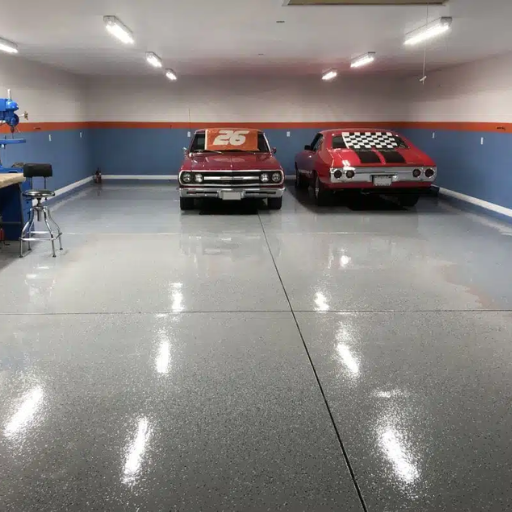
What stands out as the most effective options for a garage floor solution are epoxy coatings, interlocking floor tiles, and polished concrete.
Epoxy Coatings: Because of their flexibility, epoxy coatings stick to the concrete floors, which protects them from chemicals, stains, and wear due to heavy vehicles and equipment.
Interlocking Floor Tiles: These tiles are simple to use and can withstand great weight and impact due to the durable materials, such as PVC and polypropylene.
Polished Concrete: This option improves the already existing concrete floor by providing an enduring hard surface that is abrasion-resistant, requires low maintenance, and is very enduring.
They are all equally durable, so the best choice depends on the user’s requirements and preferences.
Exploring the Benefits of HD Diamond Tiles
With a modern take on flooring solutions, HD Diamond Tiles has pioneered an unmatched combination of design, strength, and functionality. Suitable for both residential and industrial settings, these tiles integrate high-density materials that are known for their resilience and exceptional durability. Below are some of the distinguishing features of HD Diamond Tiles:
Notable Durability
The most significant distinguishing characteristic of HD Diamond Tiles is their ability to survive extreme damage, be it physical or environmental. These precision-engineered tiles can withstand significant foot traffic alongside supporting heavy machinery, equipment, and constant foot traffic. According to recent studies, HD Diamond Tiles are three times more resistant to impact than traditional flooring options such as porcelain tiles, making them an ideal investment.
Slip Resistance
Unlike many other brands, HD Diamond Tiles prioritizes safety and ergonomics. Their designed texture is optimal at avoiding slips and falls, especially in wet or soapy areas— this makes them perfect for outdoor areas, commercial kitchens, and garages. With a slip-resistance COF exceeding 0.60, these tiles outperform industry standards.
Dirt and Grime
Life is made easier with the high definition diamond tiles as its diamond polishing make cleaning effortless. Their non-porous surfaces do not absorb stain or grease, which means cleaning takes almost no effort. This makes them particularly useful in medical facilities, as well as food and beverage service areas.
Design Flexibility
Its sleek, modern look can easily complement both contemporary and traditional spaces, offering a blend of style and practicality. HD Diamond Tiles can fit virtually any interior or exterior design since they are available in numerous colors, patterns, and finishes.
Heat and Chemical Resistance
Chemical exposure and extreme temperatures are no problem for diamond tiles. This does make them amazingly versatile for industrial applications where strength is required to withstand rugged and demanding environments.
Eco-Friendly Innovation
The manufacturing processes used for many of these tiles are energy efficient. Also, because a growing number of businesses are concerned about sustainability, some of the materials used to construct HD Diamond Tiles are environmentally friendly by design, which lessens their impact on the environment.
Adding HD Diamond Tiles to your garage, warehouse, or even your living space will change your perception of flooring. The combination of enhanced safety features with the aesthetics makes the tiles appealing and sought after in modern building design projects.
Understanding Concrete Coatings
The concrete surface is enhanced by applying protective concrete coatings which improve durability, resistance, and the overall visual appeal. Through protection, vertical surfaces and horizontal surfaces are safe from being damaged by heavy traffic, extreme weather, and chemicals, making them suited for both household and business places.
Coating Concrete Types
Every coating type has its uses, strengths, and weaknesses.
Epoxy Coatings
Warehouses, stores, and garages are the most visited areas in the world. The space has a heavy load of activity that includes walking, along with lifting of heavy goods such as furniture and products. This creates a tremendous need for structures and floors to withstand heavy stress and application of strain, in turn weakening them. Multi-purpose epoxy coating is widely known for being good with strength, forgiving with chemicals, along creating a seamless surface. They last over a decade, making them well-liked if maintained.
Polyurethane Coatings
These types of coatings are best suited for outdoor surfaces. Often furnishing glossy surfaces for a long duration, shrinking, and expansion, making them sustain to withstand weather changes without cracking and UV rays
Acrylic Coatings
These types and forms can be plastered on different surfaces like patio to beautify while at the same time protecting and having low strength. They are relatively less expensive compared to other types and colors and styles. Moving A means of transforming furnished spaces into elegant ones at a fraction of a cost means one best chooses areas with close to zero traffic making them ideal for patios and walkways.
Polyaspartic Coatings
Polyaspartic coatings are a newer type of coating when compared to floor epoxies. They cure faster than epoxies and resist abrasions, chemicals, and UV exposure, making them ideal for internal and external applications.
Key Benefits of Concrete Coatings
Durability
Increases value of the property – Coatings lift the value of a property greatly as quality coatings can restore and add up to 30 years of life to the concrete surfaces within the property.
Resistance
Decreased Maintenance Cost – With protection from oil, chemicals, stains, moisture and many more concrete coatings aid in reducing maintenance cost.
Aesthetics
Decorative Value – With coatings available to suit all styles of dull looking concrete surfaces from many colors, patterns, and finish types, the overall appeal gets a dramatic improvement.
Safety
Risk of Accidents – Enhancing the traction is nonslip additive coatings which aid in reducing the risks of accidents in both wet and dry conditions and improve safety.
Industry Data on Concrete Coatings
GlobeNewswire states that the concrete floor coatings market was valued at USD 1.74 billion in the year 2022 and is expected to grow at a CAGR of 5.2% from 2023 to 2030. Factors that drive this growth include rising construction activities, increasing demand for sustainable flooring solutions, and advancements in coating technology.
Not only do concrete coatings improve functionality, but also add value when it comes to the sustainability efforts of construction projects. They continue to be an important asset in contemporary construction and remodeling work with many different options to suit every requirement.
Evaluating Polyurea vs. Epoxy Coatings
When evaluating polyurea or epoxy coatings, it is important to take into consideration their performance, application versatility, durability, and recent advancements along with their industry data to draw conclusions regarding their unique advantages.
Endurance & Flexibility
Polyurea stands out due to its excellent flexibility as well as resistance to wear and tear. A significant factor is polyurea’s high elongation capacity which is most often over 300%. This enables its use in withstanding substrate movement or other heavy impacts without cracking, making it the preferred choice for industrial and outdoor use around fluctuating temperatures or vibrations. In contrast, epoxy coatings offer greater rigidity and depth but are less flexible than polyurea. In addition, epoxy is superior in chemical, abrasion, exposure, and jerk resistance, making it ideal for interiors like warehouses and garages.
Curing Timeline
The curing time sets the two materials apart. Unlike epoxy, polyurea sets and cures almost immediately, often in less than 60 minutes. This makes the material ideal for projects with a quick turnaround time. While slower to cure, at several days to harden completely, epoxy allows users more time for detailed adjustments and is best for projects that require meticulous installation.
Chemical and Environmental Resistance
Although polyureas are the most resistant to the breakdown of UV rays, which is beneficial for outdoor use, they also withstand various chemicals and ample amounts of water, making them endure harsh conditions. Epoxies seem to be much weaker than polyurea in terms of chemical resistance, but they have some form of resistance. However, Epoxies usually tend to fade or turn a dull color when exposed to/being in sunlight, so if you want to use it outdoors, you might need extra protective layers.
Cost Efficiency
Getting Polyurea would indeed be expensive concerning getting epoxy because of its extra features and rapid curing ability, but for things like big-scale construction, its endurance and low maintenance make it a better option to go for. Some people might consider it to be money-wasting, but in reality, it saves a fair amount. On the other hand, getting an epoxy coating would be cheaper. This is why mid-tier projects, where the performance demands aren’t too high, tend to get a Polyurea compared to an Epoxy coating.
Market Trends and Application
It is already certain that epoxy coatings will still stay common in places like kitchen floors of factories, some commercial areas, and places such as storage rooms for chemicals. However, Polyurea seems to be winning when it comes to waterproofing, corrosion guarding and decorative finish shielding. That said, the latest studies show that there is more demand for Polyurea compared to epoxy.
Important Notes
While choosing between polyurea and epoxy, issues like project size, budget, environmental factors, and application rate should be considered. These coatings serve important roles, but may differ in their effectiveness depending on the conditions needed for the project. Builders and contractors are encouraged to analyze both sides of the issue so that the decision made ensures superior performance and durability over time.
Reference Sources
Frequently Asked Questions (FAQs)
Q: What are the best garage floor options available?
A: The best garage floor options include epoxy coatings, garage floor tiles, and garage floor mats. Each option offers unique benefits like durability, ease of installation, and aesthetic appeal.
Q: How do garage floor coatings like epoxy work?
A: Garage floor coatings, such as epoxy, work by creating a hard, durable surface that bonds to concrete floors. This provides a protective layer that resists stains, chemicals, and physical impact, making it ideal for high-traffic areas.
Q: What types of garage floor tiles are available?
A: There are several types of garage floor tiles available, including interlocking tiles, rigid tiles, and flexible tiles. These tiles come in a variety of colors and patterns, allowing you to customize the look of your garage floor.
Q: How durable are garage floor tiles?
A: Garage floor tiles are very durable, especially options like rigid and flexible tiles. They can withstand heavy loads, resist chemical spills, and are designed for long-term use, making them a popular choice for transforming your garage.
Q: What is the process for applying an epoxy floor coating?
A: Applying an epoxy floor coating involves several steps, including floor prep, priming, applying the epoxy, and allowing it to cure. Proper floor prep is crucial for ensuring the epoxy adheres properly to the concrete surface.
Q: Can garage floor tiles be used in basements?
A: Yes, garage floor tiles can be used in basements. They offer a practical solution for basement floors as they are easy to install, water-resistant, and can enhance the overall appearance of the space.
Q: What are the benefits of using garage floor mats?
A: Garage floor mats provide a simple and effective solution for protecting your garage floor. They are easy to install, remove, and clean. Mats are also available in various styles, such as coin tiles and interlock designs.
Q: How can I transform my garage with garage flooring products?
A: You can transform your garage by choosing high-quality garage flooring products such as epoxy coatings, interlocking tiles, or flexible mats. These products can enhance the appearance, durability, and functionality of your garage space.
Q: Are garage flooring products from Garage Flooring LLC American-made?
A: Yes, many garage flooring products from Garage Flooring LLC are American-made, ensuring high-quality craftsmanship and supporting local manufacturing.
Q: What are some popular brands for garage floor systems?
A: Popular brands for garage floor systems include RaceDeck and TrueLock HD Diamond. These brands are known for their high-quality products, durability, and variety of color options to suit any garage aesthetic.


