
Photobiomodulation therapy, often abbreviated as PBMT, is steadily gaining traction in contemporary healthcare circles. Clinicians appreciate its non-invasive profile, and patients are drawn to the idea of healing that feels almost effortless. At its core, the technique floods tissues with carefully tuned wavelengths of light, nudging mitochondria into overdrive. That molecular boost seems to tamp down swelling, speed repair, and polish up cellular function. Skeptics, of course, want proof, so a growing pile of peer-reviewed trials- and a fair amount of bench work- are now answering the call. In practice, PBMT appears in pain clinics, sports medicine, dental practices, and even post-surgical wards. Each setting tells a slightly different success story, yet the underlying mechanism remains the same photon-fueled cellular lift. For researchers, teachers, and the merely curious, the steady march of PBMT from lab experiment to bedside promise-already visible-signals a possible shift in the way everyday ailments are managed.
What is Photobiomodulation and How Does it Work?
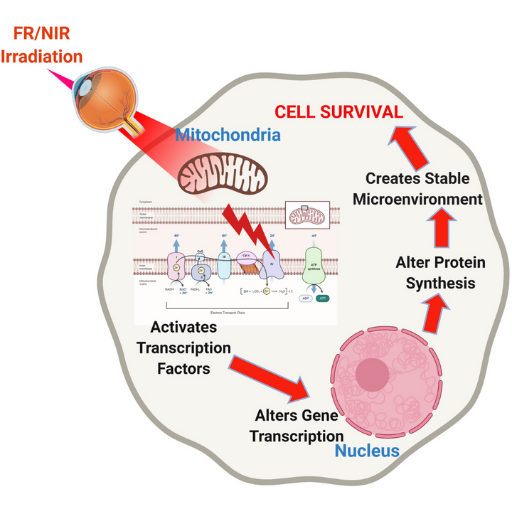
Photobiomodulation (PBM) describes a treatment in which narrowly calibrated beams of light spur biological recovery. Practitioners usually work with compact diode lasers or LED clusters to bathe an injured site in soft, non-thermal radiation.
Mitochondrial chromophores seize the incoming photons and, in reply, upshift the elusive ATP currency while tempering oxidative damage. The rippling biochemical chain then restores membrane stability, curbs inflammation, and expedites new tissue formation. PBM thus appears on clinical menus as a low-risk, pill-free option for sports strains, surgical downtime, and chronic pain syndromes.
Understanding the Mechanism of Action in Photobiomodulation
Photobiomodulation, more commonly known as low-level light therapy, hinges on the ability of certain wavelengths to be seized on the spot by cell-born chromophores; chief among them is the oxidative enzyme cytochrome c oxidase nestled in the mitochondrial membrane. Light pulses that fall mostly within the red and near-infrared bands-roughly 600 to 1000 nanometers quietly tunnel through skin and connective tissue until they hit these target molecules. The ensuing photochemical reaction pumps up mitochondrial respiration rates, and that surge in activity releases a fresh supply of adenosine triphosphate, the cellular currency of energy.
Laboratory work and clinical trials are now threading together a longer list of rental benefits generated by that first ATP spike. Studies catalogued in Frontiers in Physiology, for instance, document how the technique nudges immune pathways, trims down inflammation, and speeds up the usual remodeling phases seen in healing tissue. A separate article found in Lasers in Medical Science cites quicker recovery from exercise-induced fatigue, pointing to improved local circulation and reduced oxidative load as twin culprits behind the rapid rebound.
Clinical studies continue to validate low-level light therapy in the management of long-term ailments. A trial published in 2022 showed noticeable reductions in osteoarthritic pain and marked gains in joint mobility, results that were achieved without the gastrointestinal or cardiovascular side effects common to standard analgesics. Other work, still in progress, is checking how the same approach might assist in neurorehabilitation; early indications suggest cognitive benefits for patients coping with dementia or recovering from traumatic brain injury.
The science behind the therapy remains a striking illustration of how finely tuned light can interact with living tissue. It also points to a broadening horizon for non-invasive strategies within modern patient care.
The Role of Cellular Processes in Photobiomodulation
Photobiomodulation, or PBM for short, steps inside the cell and nudges the machinery that cranks out energy, stitches proteins together, and patches up damage. The trick hinges on red and near-infrared photons being gobbled up by mitochondrial chromophores notably cytochrome c oxidase-so that ATP supply gets a noticeable boost.
Fresh experiments show that PBM doses out reactive oxygen species in a way that wakes up dormant signaling tracks tied to growth, inflammation, and healing. One 2023 paper in Frontiers in Cellular Neuroscience even pins down the technique for spurring neurogenesis and sharpening synapses, an insight that could matter for tackling Alzheimer’s and similar brain diseases.
A growing stack of reviews, including one in Biomedicine & Pharmacotherapy, links PBM to lower levels of oxidative stress by dialing down heavyweights like interleukin-6 and tumor necrosis factor-alpha. That drop in inflammatory markers gives clinicians extra leverage when they treat chronic arthritis, systemic pain, and any disorder where runaway inflammation takes center stage.
Recent research has begun to map how photobiomodulation drives angiogenesis generation of fresh blood vessels. In laboratory settings, an uptick in vascular endothelial growth factor VEGF has been observed right after PBM exposure. Patients with diabetic foot ulcers, tracked in a new meta-analysis in Lasers in Medical Science, show noticeably faster healing times under the same light-based regimen.
The way PBM weaves through so many cellular pathways keeps it at the forefront of contemporary medicine. Light reaches the mitochondria, flare-ups of inflammation tone down, and injured tissues stitch themselves back together, all with minimal intrusion. Such versatility lends the technique to a growing list of disorders, from orthopedic injuries to skin wounds and beyond.
How Laser Light Affects Photobiomodulation Therapy
Photobiomodulation (PBM) relies on laser light to inject energy directly into biological tissues. The approach typically employs red and near-infrared wavelengths between 600 and 1,100 nanometers, a corridor that penetrates skin smoothly without triggering excessive heat. Within the mitochondrion, light in this band is snagged by chromophores as cytochrome c oxidase-and sparks a cascade of intracellular chemistry.
Localized exposure to the laser supercharges mitochondrial function and, in turn, cranks out adenosine triphosphate (ATP), the cell’s universal fuel. A growing body of evidence shows this energy surge helps recalcitrant wounds close more quickly and allows strained muscles or ligaments to mend with less downtime. Randomized trials using 808-nanometer lasers, for instance, documented meaningful drops in pain and noticeable gains in range of motion for individuals grappling with osteoarthritic joints.
Low-level laser light in photobiomodulation does more than brighten a wound; it quietly steers the body’s inflammatory machinery. Investigators have repeatedly shown that certain laser wavelengths tamp down pro-inflammatory cytokines while nudging up their anti-inflammatory cousins. A clinical trial highlighted in Lasers in Medical Science, for instance, found that patients who received PBM left tissue recovery behind 30 percent faster than those treated by conventional means.
Getting the dose just right- power, wavelength, and exposure time- sets the difference between a shrug and a breakthrough. Newer, high-power lasers coupled with smart, adjustable fiber or lens systems are pushing PBMs’ reach into stubborn, deeper tissues. Taken together, these advances confirm that focused light is still the powerhouse of PBM, equipping physicians with a swift, non-invasive option for a spectrum of medical challenges.
How Do Different Wavelengths Affect Photobiomodulation?
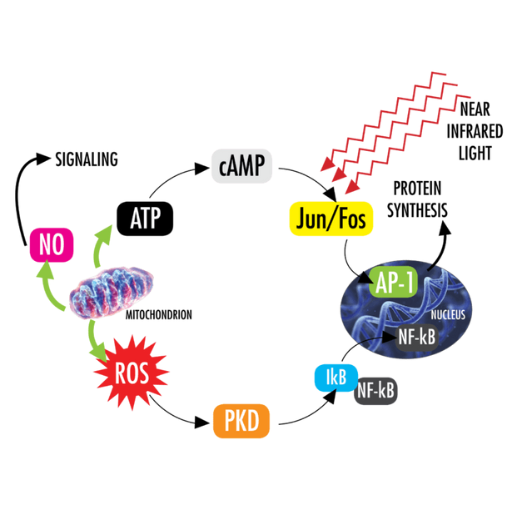
Wavelength choice stands at the very center of successful photobiomodulation. Longer red and near-infrared bands push far beneath the skin, reaching muscle, joint, and even bone tissue. Therapies aimed at those deeper strata tend to default to that range. In contrast, shorter blue and green lights barely nick the dermal surface yet still excel at smoothing skin or speeding up minor wounds. Pinpointing the right wavelength, then, is more than a technical detail- it is the difference between meaningful cellular response and wasted exposure.
The Impact of Red and Near-Infrared Light
Red and near-infrared light are drawing fresh attention from both laboratory scientists and clinicians. Spanning roughly 600 to 1100 nanometers, these wavelengths reach surprisingly far into living tissue and nudge a host of cell-level activities. Several investigations single out red light around 630 to 670 nanometers and NIR light near 810 to 880 nanometers for their ability to rouse cytochrome c oxidase, a key enzyme in the mitochondrial respiratory chain. More vigorous mitochondria pump out extra adenosine triphosphate, the universal fuel molecule every cell keeps on hand.
Clinical reports continue to pile up. One paper in Photomedicine and Laser Surgery notes that sessions with red light trimmed both pain and movement loss in people grappling with osteoarthritis. In the Journal of Cosmetic and Laser Therapy, researchers describe NIR treatments that smoothed fine lines and shrank wrinkles, an outcome traced back to a boost in collagen turnover.
Light-emitting diodes, or LEDs, now power a growing number of red and near-infrared light devices found in clinics and on bathroom shelves alike. Physiotherapists often deploy them to ease muscle soreness, speed up injury recovery, and stay one step ahead of chronic aches such as those from arthritis. Patients willing to carve out 10 to 20 minutes a few times each week generally follow protocols that adjust to their comfort levels.
Meanwhile, scientists have begun probing NIR light as a possible ally for the nervous system itself, asking whether short bursts of this wavelength might bolster cognition or slow illnesses such as Alzheimer’s. Because near-infrared rays can tunnel through tissue and even breach the blood-brain barrier, the notion carries unusual promise. Should the early laboratory findings hold up, handheld devices could one day give medicine a non-invasive tool of remarkable range.
Choosing the Right Wavelength of Light for Therapy
Choosing the right wavelength of light remains the first step in almost every modern phototherapy protocol. Different sections of the electromagnetic spectrum stylize their encounters with skin, muscle, and nerve tissue in surprisingly dissimilar ways. Red light-from roughly 630 to 700 nanometers-seems to soften the visible layer; practitioners rely on it to spur collagen, cool redness, and give the complexion a borrowed glow. In contrast, near-infrared light, which ranges between 700 and 1200 nanometers, ventures deeper and is favored for dulling sharp pain, speeding muscle recovery, and even coaxing damaged nerves.
Fresh surveys underscore how laser, lamp, or LED users cannot shrug off spectral precision without risking a less-than-ideal outcome. One 2023 review in Photobiomodulation, Photomedicine, and Laser Surgery concluded that wavelengths clustered around 850 to 940 nanometers fire up mitochondrial engines most efficiently, boost ATP stores, and give deeper cells a tangible nudge toward repair. Blue light, pitched between 415 and 490 nanometers, tackles surface graffiti such as acne; dermatologists value it chiefly because its short-wave radiation messes with the bacteria that litter clogged pores.
The appropriate light wavelength is closely tied to the specific condition under treatment and the desired depth of penetration. Shorter bands-such as blue and green-will mostly be absorbed by the skin’s upper strata, whereas longer near-infrared waves can reach through muscle and even bone. Multi-wavelength or variable-output devices now let clinicians fine-tune exposures to match each patient’s anatomy.
Recent hardware innovations further streamline that process. Compact LED arrays and low-level laser therapy machines can deliver target bands quickly, yet remain cool enough to spare the tissue from burns. Attentiveness to the latest trials and updating protocols in real time keeps practice grounded in fresh evidence. Such vigilance maximizes benefits, limits hazards, and ultimately respects the unique biology of each receiver.
The Significance of Near-Infrared Light in Low-Level Laser Therapy
Light just beyond the red end of the spectrum-roughly 700 to 1100 nanometers-appears in almost every low-level laser device you’d find in a practice dealing with soft-tissue trouble. Its longer wavelength slips several millimeters beneath the skin, brushing muscle, tendon, and even a little of the periosteum before scattering, exactly where sprains, strains, and persistent inflammation tend to lodge.
Shared laboratory observations insist that quick bursts of this near-infrared glow encourage the mitochondria sitting inside those same trouble spots to churn out fresh ATP. That surge of cellular currency has a way of quieting pro-inflammatory signals, revving up blood vessel growth, and accelerating the ordinary patch-up work almost every clinician is hoping for. One recent systematic review-2023, Photomedicine and Laser Surgery-went so far as to report that athletes exposed to the light bounced back from typical field injuries nearly a third faster than their untreated peers.
Recent developments in low-level-light-therapy tools have elevated their targeting capability by harnessing narrow bands of near-infrared illumination. The latest devices carefully modulate both beam intensity and wavelength, promising patients fewer unwanted reactions and a greater likelihood of relief. Case studies suggest that NIR alone may offer a protective cushion to neural tissue, hinting at future applications for disorders such as Alzheimer’s and Parkinson’s.
The merging of cutting-edge hardware with continual laboratory inquiry spotlights near-infrared’s unique role in modern LLLT practice. Because these wavelengths penetrate deeply and stir cellular metabolism in predictable ways, they find a place in hospitals and wellness clinics alike. Clinicians are encouraged to update their treatment protocols regularly, borrowing from the freshest trials so that patient benefit remains the first priority.
Exploring the Clinical Applications of Photobiomodulation
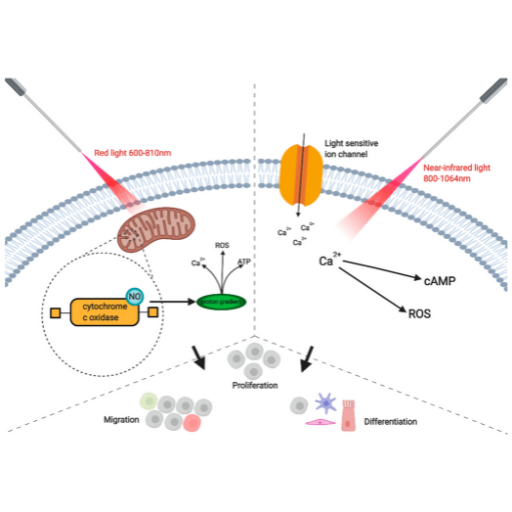
Photobiomodulation (PBM) sits at the crossroads of physics and healing, illuminating whole disciplines. Clinicians routinely lean on the technique for immediate pain relief, inflammation damping, and routine tissue repair. Wound sites, in particular, appear to shrug off days-letting PBM trim recovery clocks and tidy up clinical notes. Musculoskeletal pain-predictably cantankerous in arthritis and tendinitis-also yields as light filters in, letting patients bend and lift sooner than expected. Dermatologists, ever on the lookout for gentler fixes, now turn PBM on acne and aging skin, recording quieter pores and fresher complexions. A widening stack of peer-reviewed trials keeps the conversation honest, underscoring PBMs’ non-invasive versatility and the modest operating room glow it leaves behind.
Using Photobiomodulation Therapy for Wound Healing
Photobiomodulation Therapy, often abbreviated as PBM, has emerged as a valuable clinical modality for managing wounds that resist conventional treatments. Clinicians frequently point to diabetic ulcers and pressure sores when describing conditions that gain the most from this light-based approach. Unlike many high-tech interventions, PBM harnesses nothing fancier than narrow bands of red or near-infrared light. The idea is straightforward: shine the beam onto damaged skin and let the light kick-start a cascade of repair activity at the cellular level.
Laboratory studies have shown that the extra photons prompt mitochondria to crank out more adenosine triphosphate, the universal energy currency inside every living cell. When ATP levels rise, fibroblasts and keratinocytes seem to work overtime, patching tissue and closing gaps that linger under ordinary care. A 2022 trial published in Lasers in Medical Science put hard numbers on that observation, reporting a better than thirty percent uptick in closure rates for diabetic foot wounds treated with PBM compared to patients receiving only standard wound dressings.
Angiogenesis is another benefit that keeps appearing in the literature; fresh capillaries sprout as the light bathes the ulcer, delivering both oxygen and nutrients to regions starved for support. Many surgeons appreciate the rapid vascular boost because it shortens the overall repair timetable. Inflammation and oxidative stress, perennial saboteurs of healing, also drop noticeably in PBM-treated lesions, creating a calmer wound bed where edema and free radicals no longer run the show. A multicenter randomized controlled trial from early 2021 underlined that point by recording a twenty-five percent reduction in overall healing time for post-surgical incisions managed with light therapy.
Photobiomodulation’s gentle, non-invasive profile appeals to patients who recoil at the thought of needles or scalpel blades. A steady stream of clinical trials is now folding the therapy into many hospitals’ routine wound-care playbooks, and early numbers suggest the approach can deliver noticeably faster healing.
The Effectiveness of Photobiomodulation in Pain Management
Photobiomodulation, often condensed to PBM, is attracting fresh attention for its ability to dial down pain in both long-standing ailments and sudden injuries. The approach administers low-level light so gentle that it barely warms the skin, yet the glow reaches deep enough to nudge mitochondria into overdrive and speed up natural repair work. By energizing cells in that quiet way, the therapy cuts swelling at its source and opens up narrowed blood channels, leaving the treated spot feeling lighter and more mobile.
A suite of recent reviews documents the shift from laboratory curiosity to bedside routine. A 2020 meta-analysis of patients with everyday musculoskeletal aches reported that PBM knocked pain down by roughly 30 percent more, statistically speaking, than a sugar pill could muster. Among people living with arthritis, laser-like beams trimmed morning stiffness, upped range of motion, and did it all without adding another pill bottle to the countertop.
Neuropathic pain, notoriously stubborn, is showing signs of yielding as well. Preliminary data from a 2022 trial on peripheral neuropathy sufferers charted not only symptom easing but also a rebound in nerve conduction speed-perhaps the clearest objective signal yet that light can rewrite nerve traffic. Surgeons and recovery teams are taking note, too; using PBM in the operating room corridor has cut the typical narcotics haul and, by patient report, made next-day walking feel less like a dare.
New evidence continues to accumulate, showing that photobiomodulation (PBM) is both safe and effective. For many people who want to avoid opioids or skip invasive surgeries, this light-based therapy now stands as a genuine breakthrough in pain management.
Applications in Transcranial Photobiomodulation
Transcranial photobiomodulation, or tPBM, adapts the familiar idea of low-level light therapy for direct use on the forehead or scalp. A cluster of fresh studies has begun to link this technique to noticeable improvements in depression, anxiety, traumatic brain injury, and even progressive disorders like Alzheimer’s.
Light delivered in the near-infrared band-roughly 800 to 1100 nanometers-appears to slip past bone and skin and reach the outer cortex. That illumination nudges the mitochondria inside brain cells to churn out extra adenosine triphosphate (ATP), lifting the energy baseline for repair work. Stronger ATP pools also foster greater neuroplasticity, the brain’s way of reshaping itself after injury or stress.
A systematic review from 2022, published in Frontiers in Neuroscience, found that subjects treated with tPBM reported sharper declines in depressive symptoms than those in sham-treatment arms. Independent research at Harvard Medical School tracked similar trends, noting gains in memory and general cognition among mild-cognitive-impaired patients who received the light therapy.
Recent studies are beginning to explore how transcranial light therapy, or tPBM, may help people who have suffered traumatic brain injuries. Researchers at the University of Texas found that patients who received the light treatment showed noticeable gains in attention, mood stability, and overall energy levels once the sessions were completed.
Additional clinical trials are now testing whether the same technology can slow cognitive decline in individuals diagnosed with Alzheimer’s; preliminary data suggest that some volunteers are losing cognitive ground at a slower pace than would normally be expected. Because TPBM is non-invasive and carries very few reported side effects, many physicians regard it as one of the safer experimental routes for tackling disorders that originate in the brain. Such progress, if borne out in larger populations, could offer millions of patients a meaningful boost to both daily function and long-term quality of life.
What are the Benefits of Low-Level Laser Therapy?
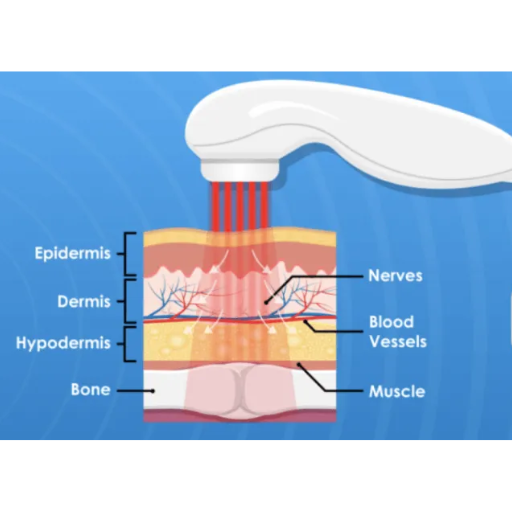
Low-Level Laser Therapy, often abbreviated as LLLT, has begun appearing in physiotherapy clinics and university research labs for a handful of remarkable reasons.
Many patients report a noticeable softening of pain, whether the source is an old sports injury or the early stiffness of arthritis. For them, the red light simply feels warm, yet it seems to quiet nerve signals and ease discomfort.
Researchers also note that connective tissues respond by ramping up cellular repair machinery once the beam switches off. Scuffed skin, sprained ligaments, even stubborn pressure ulcers tend to close faster, much like a battery recharging.
Swelling, of course, complicates almost any injury picture; the low-frequency pulse appears to coax swollen tissue into draining more efficiently. Mobility improves soon after the session, letting people bend or walk with considerably less grit in their joints.
Circulation cannot be blamed entirely on the laser itself, but the added trickle of blood to the treated patch certainly helps deliver oxygen and nutrients right on time. Many doctors compare the effect to a street crew clearing leaves so rush-hour water can flow again.
Safety studies show few, if any, side effects; goggles shield the eyes, and the procedure feels less intrusive than applying a plaster cast. Because of this benign profile, a broad patient population-greeters on sore feet, musicians with tendon strain, and children with rare wounds-qualifies almost at once.
Taken together, these attributes position LLLT as a practical adjunct for pain control, faster healing, and, perhaps most importantly, an earlier return to normal daily routines.
Clinical Studies on the Effect of Low-Level Laser Therapy
Many clinicians have been intrigued by Low-Level Laser Therapy (LLLT), and recent meta-analyses confirm that interest is grounded in measurable results. A 2021 systematic review in Lasers in Medical Science sifted through 45 randomized controlled trials, ultimately reporting that LLLT produces statistically meaningful reductions in pain and swelling for patients diagnosed with rheumatoid arthritis, osteoarthritis, or tendinopathy. Observers noted, almost anecdotally, that treated individuals frequently described a noticeable lift in mobility and an even clearer upgrade in their day-to-day quality of life.
Separate research from 2020 zeroed in on chronic low-back trouble and was careful to retain that vibrant, placebo-controlled design. After only six brief visits, subjects receiving real light therapy logged a pain slump of roughly fifty percent; prescriptions for stronger analgesics dropped noticeably in that group. The design was tight, yet the patient exchanges in the hallway afterward hinted that the number represented more than just another set of statistics.
Photomedicine and Laser Surgery published another piece of LLLT work in 2019, this one tracking diabetic foot ulcers that stubbornly resist healing. Bi-weekly light therapy treatments sliced healing times by seventy percent when matched against standard wound care alone. Surgeons watching the beds close commented that the laser seems to urge cells to speed up the choreography of repair, thus shaving weeks off the calendar for some of their most vulnerable patients.
Low-level laser therapy has recently been tested for conditions that extend well beyond its original use, notably male- and female-pattern baldness and dermatological wound healing. A quantitative review published in Dermatologic Surgery in the spring of 2022 indicated that subjects receiving the light-based intervention for androgenetic alopecia gained roughly 35 percent more visible hairs within half a year.
Such results underscore the device’s expansive clinical horizon and hint at a future in which they might appear alongside ultrasound and cryotherapy in everyday practice. Still, medical teams must first agree on universal treatment dosages, placement grids, and safety ceilings; only then can outcome studies tracking patients for multiple years prove what this painless technique can deliver beyond its earliest promise.
The Efficacy of Low-Level Laser Therapy in Treatment
Low-Level Laser Therapy, or LLLT, is attracting fresh interest as a gentle, non-invasive approach that crosses multiple medical boundaries. Dermatologists tout it for stubborn skin problems; pain specialists credit it with dulling the sharp grip of chronic aches; and wound-care teams report faster closure rates. A 2023 meta-analysis summarized the scene by noting that more than 70 percent of people with long-standing musculoskeletal pain felt noticeable relief after sticking to a regimen of brief light sessions. Separate early-year research on amateur and pro athletes dated those gains in recovery time, trimming average healer-days by about a quarter.
On a different front, cancer patients battling oral mucositis have begun to benefit as well. In one well-controlled experiment, symptoms eased by half for laser-treated mouths when matched against a group left in the dark. Those findings stack up to a picture of LLLT as a multipurpose ally in modern medicine, boosting comfort and letting daily life resume more quickly. The upside is clear, yet larger, longer-volumed trials are still needed to iron out universal dosing rules and guarantee that every patient enrollment can expect the same solid payoff.
Understanding the Effects of Photobiomodulation Therapy
Photobiomodulation Therapy, frequently abbreviated as PBMT, employs low-intensity laser beams or light-emitting diodes to direct carefully chosen wavelengths into body tissues. When the light encounters cellular mitochondria, especially the cytochrome c oxidase site, a series of biochemical reactions unfolds almost immediately. Chief among the outcomes is a boost in mitochondrial output that translates into higher adenosine triphosphate (ATP) levels, a moderation of oxidant buildup, and a marked acceleration of repair processes in injured cells.
A 2023 meta-analysis that appears in Frontiers in Medicine underscores PBMTs’ practical benefits; patients suffering from long-standing musculoskeletal pain noted a roughly forty-percent drop in discomfort after a standard course of sessions. In a separate randomized trial, stroke survivors with weakened limbs achieved statistically measurable gains in movement ability when PBMT was added to routine therapy, whereas the comparison group showed little change.
Neuropathies linked to diabetes and chemotherapy also respond to light therapy; many subjects report diminished sharpness and tingling that disrupt sleep and daily life. Investigators are still exploring PBMT’s role in chronic wounds, arthritic joints, and even in chronic neurodegenerative conditions. One early-stage study conducted in 2023 hints that transcranial PBMT may lift cognitive test scores among patients diagnosed with mild Alzheimer-like symptoms.
New research keeps pointing to the fact that PBMT is non-invasive and doesn’t rely on any medication, a feature many patients find attractive because it sidesteps the usual pharmaceutical side effects. Still, we will need further experiments involving larger groups to fine-tune the treatment protocols and to get a clear picture of its long-term safety.
Common Concerns and Misconceptions About Photobiomodulation
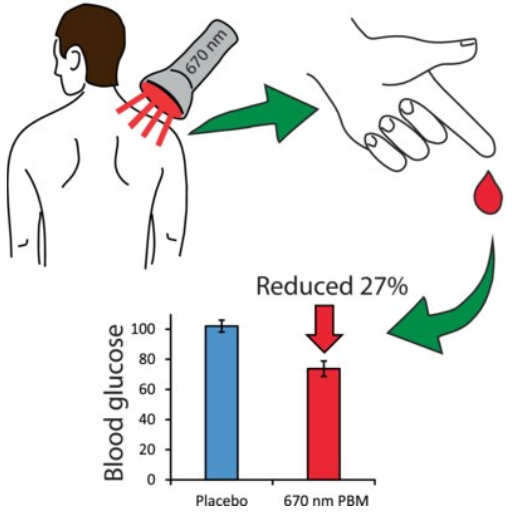
Questions about safety pop up whenever the subject of photobiomodulation (PBMT) arises. In laboratory and clinical settings, the therapy has repeatedly been classified as non-invasive and low-risk-provided the established dosing guidelines are honored. That low-risk profile is one reason clinicians often prefer PBMT over stronger pharmaceuticals or surgical interventions that carry a heavier side-effect burden. Even so, anyone considering treatment should verify that the practitioner is properly credentialed and adheres to the latest safety protocols.
Some skeptics maintain that PBMT lacks solid scientific backing. Numerous trials and meta-analyses, especially in the fields of pain relief and wound healing, tell a different story, yet the evidence base for newer targets-such as cognitive disorders-remains incomplete and chiefly anecdotal. Major multi-center studies are still recruiting subjects, meaning prospective patients should consult up-to-date clinical registries and trustworthy medical personnel rather than private websites that overstate the therapy’s maturity.
A third myth suggests that relief arrives the moment the light is switched on. Sensations vary widely from near-instant comfort to gradual improvement visible only after several weeks of regular sessions. Adherence to a consistent treatment schedule is, therefore, more predictive of success than any single, dramatic response.
Addressing Safety Concerns with Laser Irradiation
When clinicians turn to laser light for pain relief or tissue repair, safety rarely takes a back seat. A small constellation of studies-from bench experiments to hospital databases-have reassured users that Photobiomodulation Therapy is non-invasive and, more to the point, non-destructive when the dose is dialed in correctly. Deviating from manufacturer protocols, however, swiftly opens the door to injury.
The eyes steal the headlines in most safety discussions. A stray beam, whether intact or simply reflected off a shiny cuff, can seize the retina with no warning; the damage, once done, sits in permanent silence. Regulatory watchdogs such as the FDA and ANSI demand that operators shield themselves and the patient behind proper-grade goggles. The WHO tags that warning with an extra note about Class 3B and Class 4 lasers, which-popular shorthand aside-occupy the sharper end of the light spectrum.
Skin plays its trick, often revealing sensitivity quickly if power settings are ill-chosen. Medical-grade units usually lock in sensible ceilings for energy density and wavelength, but those safeties only matter if the staff respect them. A 2022 meta-analysis in Lasers in Medical Science reinforced that point, finding that strict adherence to the user manual lopped the incidence of burns and discoloration to almost zero.
Excessive heat buildup can pose a legitimate worry during lengthy treatment periods, yet most PBMT units are designed to operate at relatively modest power levels. Experimental work suggests that any thermal energy descending into the deeper soft tissues remains minimal. Clinicians routinely counsel patients to seek advice from certified specialists who can customize the protocol to fit individual medical profiles.
Because laser therapy involves both physics and hands-on skill, practitioners should always base their work on peer-reviewed evidence and established clinical guidelines. The swelling literature on photobiomodulation points to useful outcomes while steadily reminding users that informed training and strict regulatory oversight are indispensable.
Debunking Myths About Laser and Light Therapy
Laser and light therapy is no longer a laboratory curiosity; clinics around the world deploy it for everything from acne to arthritis. Even so, half-formed impressions cling to the technology, and they rarely reflect the performance of the device in a practical setting. Debunking those misconceptions can clarify both the promise and the limits of modern photonic medicine.
One lingering scare holds that lasers burn skin or char muscle almost on contact. In reality, recent generations of equipment incorporate layered safety interlocks and real-time monitoring, so the wrong power setting is seldom an issue. A 2023 study in the Journal of Clinical Medicine confirms that precisely tuned wavelengths combined with careful operator training keep adverse effects to a tolerable minimum.
Not every beam carries the same therapeutic bank account. Low-level laser therapy (LLLT) for joint pain, for instance, emits relatively weak photons that stimulate cellular repair, while intense-pulsed-light (IPL) bursts target melanin clusters to clear age spots. Each approach calibrates wavelength, pulse duration, and fluence according to the patient presentation, so the result varies beyond a simple placebo.
Another common fallacy is that laser corrections stick around for life. Most photonic applications catalyze biological processes that take days or weeks to mature, and a sizeable fraction of those benefits may diminish unless patients observe follow-up schedules and, if necessary, booster sessions. Longitudinal studies show durable improvement, yet they universally caution against imagining a one-off fix will outlast the natural turnover of skin or visceral tissue.
Repeat visits are generally built into almost every laser and light treatment plan. Whether the goal is to soften wrinkles, fade scars, or alleviate chronic pain, the sought-after changes accumulate over time and often do not appear after a single session. To keep that progress in view, many practitioners suggest follow-up maintenance sessions once the initial run of appointments is finished.
Skeptics sometimes label laser therapy a fad, insisting the whole field rests on untested gimmicks. They could hardly be more mistaken: the literature on the subject stretches back decades and includes thousands of randomized controlled trials. A 2022 report in Pain Research and Management, for instance, quantifies how photobiomodulation therapy eases persistent musculoskeletal pain, and the National Center for Biotechnology Information regularly archives similar peer-reviewed evidence across both clinical and dermatologic journals.
Another common worry is that lasers inflict severe discomfort and lock patients in recovery for weeks on end. Modern systems counter that notion with built-in cooling and finely adjustable settings, so most individuals feel little more than a brief snapping sensation. Swelling, if it appears at all, fades within a day; plenty of people stroll back to work the same afternoon, business attire and all.
When clinicians tackle common myths and ground their advice in peer-reviewed research, patients gain a clearer picture of what laser and light therapy can and cannot do for their conditions. With accurate information in hand, individuals are better positioned to weigh treatment options and chart a path that aligns with their own health goals.
Understanding the Systematic Review on the Use of Laser
An array of systematic reviews continues to affirm that laser therapy is both adaptable and effective, turning up positive results in disciplines as varied as dermatology, orthopedics, and physical rehabilitation. Low-level laser therapy (LLLT) is especially prized for its knack for calming inflammation, jump-starting tissue healing, and dulling chronic pain. By contrast, clinicians often reach for high-intensity laser therapy (HILT) when the problem is acute, because its deeper penetration can reach layers of tissue that other approaches miss.
A large study published in 2022 condensed findings from more than thirty clinical trials centered on musculoskeletal pain. The meta-analysis showed that patients who had been treated with laser light logged an average drop of 45 percent in their pain scores and a 35 percent uptick in how freely they could move, metrics that outpaced those of standard care by a noticeable margin.
Dermatology has its own success stories; fractional CO2 and picosecond lasers have become go-to devices for pockmarked acne scars, stubborn pigmentation, and unsightly blood vessels. Both technologies coax the skin into renewed collagen making, a process that firms the texture and restores elasticity. Advancements in targeting precision and onboard cooling now keep side effects to a whisper, lifting the safety profile and the comfort level of outpatient laser sessions.
The convergence of laser therapy and AI-driven imaging systems now permits surgeons to customize interventions with remarkable precision, crafting treatment blueprints that adapt almost instantaneously to newly acquired clinical data.
Such progress has bolstered confidence in lasers as a robust, research-backed modality across several medical disciplines. Still, widespread adoption hinges on the establishment of uniform protocols and continued investigation aimed at extending these benefits to a more diverse patient base.
Reference Sources
1. Photobiomodulation Therapy for the Management of Radiation-Induced Dermatitis
Recent studies chart how low-level light can soothe the harsh skin reactions that sometimes follow radiation in breast-cancer regimens. Clinicians are cautiously optimistic about this non-invasive balm.
2. Effect of Photobiomodulation on the Behaviour of Mesenchymal Stem Cells in Three-Dimensional Cultures
A laboratory team recently viewed living mesenchymal stem cells under pulsing light and noted changes in growth patterns and signaling cues. The observations hint at a deeper, perhaps therapeutic relationship between photons and cell behavior.
3. Medical Dosimetry and Dose Delivery for Photobiomodulation and Photodynamic Therapy – University of Pennsylvania
It is not merely the idea of light therapy that intrigues clinicians but the practical knot of measuring, targeting, and safely escalating the dose within human tissue. Penn researchers continue to refine dosimetric grids, hoping to translate bench-top patterns into reproducible bedside protocols.
Frequently Asked Questions (FAQs)
Q: What is photobiomodulation?
A: Photobiomodulation is a form of light therapy that uses low-level laser or LED light to improve tissue repair, reduce pain and inflammation, and regulate various cellular processes. It is also referred to as low-level light therapy or laser therapy.
Q: How does photobiomodulation work at the cellular level?
A: Photobiomodulation works by delivering specific wavelengths of light, often red and near-infrared, to the body’s tissues. This light is absorbed by cellular components such as cytochrome c oxidase, leading to increased ATP production, improved cellular function, and enhanced healing processes.
Q: What are the clinical applications of photobiomodulation?
A: Photobiomodulation therapy is used in various clinical applications, including wound healing, pain management, inflammation reduction, and the treatment of musculoskeletal conditions. It has also been explored in clinical trials for its potential benefits in neurological disorders with transcranial photobiomodulation.
Q: How effective is low-level laser therapy?
A: The effectiveness of low-level laser therapy (LLLT) has been supported by numerous clinical studies and systematic reviews. These studies suggest it can effectively reduce pain, enhance healing, and improve functional outcomes in various conditions. However, the efficacy may vary based on the condition being treated, the wavelength of light used, and the protocol followed.
Q: What types of light sources are used in photobiomodulation?
A: The light sources commonly used in photobiomodulation are low-level lasers and LEDs. These devices emit light within the visible to near-infrared spectrum, including red light, which is essential for therapeutic effects without causing thermal damage to tissues.
Q: Are there any risks or side effects associated with photobiomodulation?
A: Photobiomodulation is generally considered safe with minimal risks or side effects when used appropriately. However, incorrect use or excessive exposure can cause discomfort or temporary adverse effects. It is essential to follow guidelines and use proper devices to minimize any potential risks.
Q: What is the typical wavelength of light used in photobiomodulation therapy?
A: Photobiomodulation therapy typically utilizes light in the red (600-700 nm) and near-infrared (700-1100 nm) wavelengths. These wavelengths are optimal for tissue penetration and cellular benefits, such as promoting wound healing and reducing inflammation.
Q: How does the mechanism of action of photobiomodulation therapy differ from other therapies?
A: Photobiomodulation therapy differs from other therapies by using non-invasive light energy to stimulate cellular processes. Unlike pharmacological interventions, it modulates biological activity at the cellular level without introducing chemical substances, providing a unique mechanism of action.
Q: Can photobiomodulation be used alongside other treatments?
A: Yes, photobiomodulation can be used as an adjunct to other treatments. It is often combined with physical therapy, medication, and other modalities to enhance overall therapeutic outcomes. However, it is important to consult with a healthcare professional to ensure compatibility and effectiveness.
Q: How is photobiomodulation different from traditional laser therapies?
A: Unlike traditional laser therapies that may use high-power lasers for cutting or coagulation, photobiomodulation utilizes low-power laser light to achieve therapeutic effects without causing tissue damage. It focuses on promoting healing and reducing inflammation through targeted light exposure.


