
A pool owner’s dream is having a pool that is always crystal clear, but the maintenance shouldn’t have to be as much of a worry as it used to be, thanks to advances in technology. As modern pool cleaners become equipped with smarter technology, it’s simpler to clean the pool now more than ever. The correct pool vacuum comes with the right technology to tackle even the toughest algae buildup as well as stubborn debris and fine sediment that might settle in the water, ensuring it is always sparkling throughout the year. This article features the top-rated pool cleaners of 2025, focusing on what makes them special, how well they perform and their innovative features. I hope that by the end of the article, you will have all the information you need to make an informed decision.
What is a Pool Vacuum and How Does It Work?
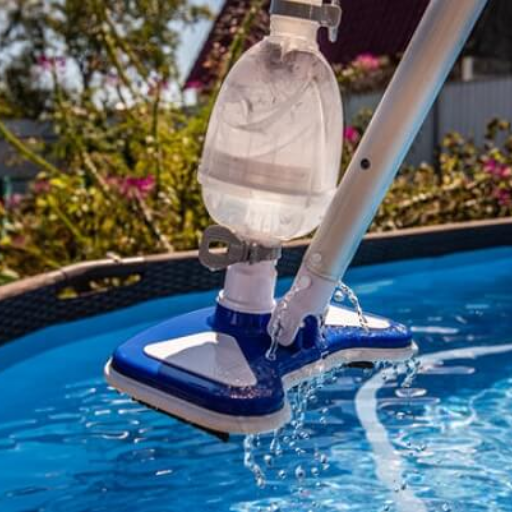
The electric and manual pool vacuums are designed to scrub the various sections of a swimming pool, including the bottom, sides, and any other neglected buildup. This is accomplished through the filtering system of the vacuum, which separates. Various types of pool vacuums exist. Manual pool vacuums require active user participation, guiding the device over the entire pool to achieve the desired cleanliness. An alternative option is the automatic pool vacuum, which can efficiently carry out the task of cleaning the pool by itself. The robotic type uses innovative technologies while others rely on suction power or the pool’s pump system to propel themselves. All of these devices serve to maintain a clean and hazard-free swimming area.
Understanding Different Types of Pool Vacuums
The best rated robotic pool vacuums in 2023 are the Dolphin Nautilus CC Plus and the Polaris VRXIQ+, as they can clean all surfaces of a pool, including the walls and the waterline. Like all robotic pool vacuums, these units operate completely independently from the pool’s filtration system, having internal motors, pumps and even a built-in filtration system. Furthermore, robotic vacuums often come with smart motors that optimize energy consumption, advanced navigational systems, and programmable cleaning cycles for even greater convenience.
Effortless maintenance of a pristine swimming pool makes the robotic vacuum particularly appealing to pool owners who would prefer a “plug-and-play” type of machine. The high cost – anywhere from $500 to $1500 – seems to be worth the investment for most customers owing to the time savings, reliability, energy efficiency, and advanced features available. They also provide excellent performance when it comes to cleaning fine debris and algae, which adds to the device’s appeal.
Suction-Side Pool Vacuums
The suction-side pool vacuum connects to the existing filtration system, drawing its power from suction created by the pool’s pump. These are the cheapest types of vacuums, selling for as low as $200. Aquatech and Zodiac MX6 are highly rated for their convenience and capabilities in dealing with debris. The modern household is likely to prefer these devices due to their cost-effectiveness.
When compared to the other types of pool vacuums, suction-side vacuums are effective in eliminating debris such as dirt or sand that clogs the pool and requires moderate cleaning. Suction-side vacuums, however, are dependent on the circulation system of the pool which leads to stress on the pump. These models are not recommended for cleaning the pool for long periods of time due to the heightened consumption of electricity.
Pressure-Side Pool Vacuums
The pressure-side cleaner is equipped to move using water pressure from the booster pump or the pool’s return lines. The Polaris 3900’s Sport and Pentair Racer are among the most popular models for these devices. Pressure-side pool vacuums are better suited for outdoor pools that are heavily surrounded by trees, as they can efficiently collect heavy debris such as leaves and sticks.
Pressure-side vacuums have a wide price range, spanning from $300 to $900. Adding a booster pump may increase the operational cost, but their capability of handling heavier debris makes them valuable for certain pool environments.
Manual Pool Vacuums
These standalone devices are equipped with a telescopic pole and a hose, making them easy to navigate manually. While the manual pool vacuums require considerable effort, they are very competitively priced. Ranging from $50 to $150, manual vacuums are affordable for those who own smaller pools, as they can double up as spot-cleaning tools.
Models like the Poolmaster 27402 and Swimline HydroTools 8110 are well regarded for their lightweight construction, enabling them to access awkward steps and corners. For those with the time and patience to do the scrubbing themselves, manual vacuums are ideal since they come at lower price points.
Evaluating Cleaning Efficiency and Price
While choosing a pool vacuum, several considerations must be made, including the dimensions, form and the cleaning requirement of the pool. Robotic vacuums have the highest degree of cleaning efficiency and the most advanced technology, but their price is very high. Pressure-side and suction-side vacuums are good for people who do not want to spend a lot of money and need moderate to heavy cleaning. Manual vacuums are best for small pools or infrequent use. Considering the specific parameters of the pool together with the available budget makes it possible to select the proper pool vacuum that guarantees a clean and safe swimming environment.
The Mechanism Behind an Automatic Pool Cleaner
Innovation and technology work hand in hand in the engineering of automatic pool cleaners to guarantee effortless washing. Removable pool cleaners make use of complicated structures like motors, pumps, in-built mechanisms, filters, and brushes to make sure that debris and dirt are scraped from the sides and floors of the pool. Depending on their construction, heaters can be robotic, suction-side, or pressure-side and utilize varying mechanisms to do their job.
Robotic Pool Cleaners
Electric-dependent, robotic pool cleaners are self-sufficient units. Integrated pumps and motors are used to suction water, waste, and debris which is then sent to an onboard filtration system. Cleansing methodically gets more effortless with the premium models as their intelligent navigation systems allow them to map out pools easily, which enables them to scrub walls, floors and even steps. Industry data estimates that robotic cleaners can be as much as 30% more efficient than conventional systems due to precise movement, independent operation of the filtration systems and energy conservation.
Suction-Side Pool Cleaners
Suction-side cleaners are connected directly to the skimmer or dedicated suction line of the pool. They are reliant on the filtration system’s pump for power. These types of cleaners “vacuum” the pool by moving randomly around the pool floor and sucking debris into the filter of the pool. These models clean the pool cost-effectively, however, they may overwork the primary filtration system and slightly increase energy use.
Pressure-Side Pool Cleaners
Pressure-side cleaners use a return jet from the pool and attach themselves to the pump. They use the water pressure from the pump to propel and suck debris into an attached bag. These models are better for bigger pools that collect more debris, as they prevent mud from getting into the main filter. Many newer models come with upgraded filter bags capable of trapping small silt and sand particles.
Advancements in Technology
The latest Aquatic devices are now inclusive of smart features like compatibility with smartphones. They can now be operated and scheduled remotely while Bluetooth-enabled. Some robotic models apply the use of AI algorithms for optimizing cleaning patterns and further reducing energy consumption. Recent reports show that homeowners who spent on AI-powered robotic cleaners noted a 20% reduction in energy costs compared to pools cleaned without them.
The workings of these devices allow pool owners to make sound purchasing decisions that optimize the device’s utility in maintaining the pool’s cleanliness and hygiene.
Benefits of Using a Pool Vacuum in Your Swimming Pool
If you own a swimming pool, a pool vacuum cleaner is something you will need to keep it in shape and save you time. It eliminates debris, dirt, algae and other accumulated contaminants which makes the swimming experience pleasurable. Here are some impressive advantages a pool vacuum provides its users with:
Improved Water Cleanliness
By cleaning all pool surfaces, such as floors and walls, a pool vacuum alleviates the risks of drowning in harmful microorganisms and bacteria, washing away dirt and untreated algae residue without the need to add too many vacuuming chemicals.
Reduction In Energy Costs
As with pool robotic vacuums, they are a testament to how technology has drastically reduced energy consumption. In a study, over 50% of robotic vacuum users claimed they save up to 30 percent in energy expenses after switching away from traditional filtration systems. Better yet, these smart devices can function on pre-set time schedules and require less input.
Time-Saving Ease
The latest models of pool vacuum, particularly automatic and robotic ones, can perform their work without any manual intervention, which can take several hours of effort off your work. In addition, they are made for cleaning a given area in less time compared to manual methods. Some models are even equipped with smart mapping technology which allows them to clean with little manual effort.
Big Boost In Pool Lifespan
Using a vacuum to keep the pool clean regularly helps to mitigate the growth of algae or accumulation of debris which usually leads to the deterioration of pool parts and surfaces. Keeping the pool clean proactively eliminates the need for expensive resurfacing or repair work, thereby protecting his valuable investment.
Savings
With the help of pool vacuums, keeping the pool clean consistently helps reduce the work done to the filtration unit, thereby lowering maintenance costs on the pool itself. Also, power-efficient models of vacuums make significant cuts on electricity costs over extended periods.
Fits All Sizes Of Pools
House owners with different shapes and sizes of pools benefit from the available models of manual, automatic and even robotic pool vacuums. The modern devices are specially made to deal with complex shapes and depths of pools.
Through the integration of advanced technologies such as AI, pool vacuums have become more effective and provide effortless cleaning. For concerned homeowners, these devices do more than just maintain the cleanliness of the pools; they help conserve energy and diminish the impact on the environment.
How to Choose the Best Pool Vacuum for Your Needs?
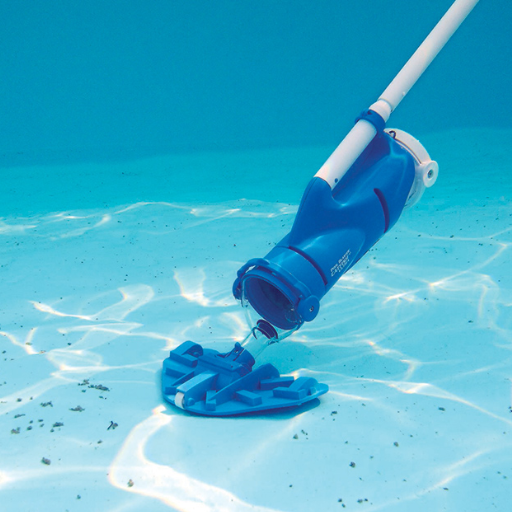
As with every purchase, selecting the right vacuum for your pool cleaning needs requires careful consideration of these few points:
Swimming Pool Type & Size
Analyze whether your swimming pool is an above-ground pool or in-ground, as some products are built specifically for one type. In addition, the vacuum selected should be appropriate to the swimming pool’s size and shape for effective cleaning.
Cleaning Technique Preferred
Choose between a manual or robotic vacuum, suction-side, and pressure-side based on the type suited best to your needs and budget. Effortless cleaning is provided by robotic vacuums which makes them highly efficient, albeit at a higher cost.
Cleaning Capability
Consider other important parts like brushes, filtration, and the capability of cleaning fine dirt in addition to large leaves.
General Maintenance and Operation
Select a vacuum that is easy to operate and maintain. Every single user friendly control and easy-to-clean filters saves time and effort.
Electricity Consumption
When considering long-term cost savings, look for vacuums that are energy-draining and environmentally friendly.
Taking these things into consideration along with product reviews or expert advice enables selection of a pool vacuum that best fits the user’s needs and assures clean swimming with no hassle.
Factors to Consider: Pool Type, Pool Size, and More
1. Type of Pool
The type of pool you own plays a significant role in determining the right vacuum. For instance:“
Above-ground pools typically require portable, lightweight vacuums meant for simpler cleaning tasks.
In-Ground Pools get advanced robotic cleaners that do more complex tasks for different depths and materials like tile, concrete, or fiberglass.
2. Size of Pool
Wide pools increase the need for longer working hours and more coverage. Such pools are suitable for robotic or automatic vacuums with powerful motors and efficient cleaning patterns.
Lesser manual or compact automatic models may be suitable for smaller pools.
3. Features of the Pool
Curves or steps in the pool may require robotic vacuums equipped with advanced navigation technology.
4. Type of debris
A Plant-laden pool will need a vacuum with great suction.
5. Most Recent Trends and Analytics
Based on the most recent revisions and trends:
Models that are Energy Efficient can reach up to 50% in energy savings with programmable features, which is perfect for extended usage.
Applying robotic vacuum cleaners enables users to remotely monitor and schedule cleaning sessions, improving convenience.
Application of robotic cleaners is preferred by more than 60% of pool owners according to current market findings because of their accuracy and time efficiency.
With the examination of these factors and the choice of modern technology suited for one’s specific need, the maintenance of a swimming pool becomes easier and more efficient.
Comparing Robotic Pool Cleaners vs. Suction Side Pool Cleaners
Taking a look at robotic pool cleaners compared to suction side pool cleaners, it is necessary to consider a few aspects like effectiveness, cost efficiency, and overall performance when it comes to cleaning a pool. Here is my detailed breakdown:
1. Cleaning Efficiency
Robotic pool cleaners are autonomous machines equipped with advanced motors that absorb all debris through scrubbing. Water circulation is another feature that increases cleaning efficiency. This robotic pool cleaner accomplishes cleaning of walls, floors and waterlines. The robotic cleaners outperform suction side cleaners, as recent experts state that these cleaners remove approximately 99% of debris, dirt, algae, and even particles nearly reaching 2 microns.
Having an automatic pool cleaner makes cleaning easier, but suction side pool cleaners still depend on a pump and filtration system to function. Unlike robotic cleaners, suction side pool cleaners only clean waterlines and walls and are inadequate at scrubbing sticky dirt. Nevertheless, they can remove larger debris without much hiccup.
2. Energy Consumption
As mentioned above, robotic pool cleaners are energy efficient, with modern models drawing low-voltage electricity. The only downside is that the robotic pool cleaner doesn’t have any filtration systems and relies solely on low-voltage power systems. Compared to pool pump systems, these robotic cleaners use nearly 70-90% less energy. Overall, a $0.05 to $0.15 per cleaning cycle adds to the eco-friendly aspect about the robotic pool cleaner. With each dollar saved, more eco-conscious pool owners can take care of the environment.
Suction side pool cleaners, on the other hand, add stress to the pool’s pump which contributes to operational costs by drawing up to 30% more electric use from the suction side pool cleaner’s operation.
3. Maintenance
Cleaners such as robotic pool cleaners with self-contained filtration systems are easier on the pool’s primary filtration system. Due to smart technology, they can also be controlled, monitored, and scheduled through mobile apps. Newer models also prioritize ease of use with lightweight designs.
Maintenance of mountable suction side cleaners can become a burden due to constant dependence on the pool’s filtration system and manual setup components. While easier to handle, proper operation requires filters and pumps to be regularly maintained.
4. Cost Analysis
The initial investment for a robotic pool cleaner ($500–$1500) is offputting to some, but is recouped in long-term energy expenditure savings and lower maintenance needs in the long run.
Suction side cleaners are much easier on the wallet upfront, costing $200 to $600. Ultimately, the long-term energy expenses paired with the increase in damaged pool pump and filtration system make them pricier.
5. Tech Innovation and Customization
The latest robotic pool cleaners include Wi-Fi and app connectivity for customization, as well as advanced navigation systems, AI mapping, and programmable cleaning schedules that ensure thorough cleaning of all pool areas.
Suction side cleaners rely on basic mechanical functions. Though they serve their purpose, suction side cleaners lack technology and programmability, making them poorly suited for irregularly shaped pools or pools that require specific cleaner placements.
6. Robustness and Lifespan
Maintenance of robotic pool cleaners allows for use spanning 5 to 8 years, showcasing exceptional longevity alongside self-contained systems and robust components that the devices come with.
Suction side cleaners have a lifespan between 2 to 5 years, primarily due to applying excessive strain on the pool’s filtration system and pump.
Overall Conclusion
Energy use, technology, and cleaning thoroughness show robotic pool cleaners surpass suction side cleaners. While the latter sustain a lower upfront cost, most pool owners benefit from the long-term savings and minimal user input robotic cleaners offer. Budget-constrained consumers looking for low-maintenance pools will find suction side cleaners a practical and economical alternative.
Best Features to Look for in a Pool Vacuum Cleaner
When looking for a swimming pool vacuum cleaner, looking for features that optimize efficiency, cost, and user-friendliness is critical. Below are five of the best features to look out for.
Economically Efficient
Pick robotic pool cleaners fitted with energy-efficient motors. They not only save on operational costs, but these models are also the best for the environment.
Sophisticated Filtration Two-Step System
A reputable pool cleaner should have a multi-layered filtration system to capture even the finest particles of debris. This dirt-sieving technology guarantees skimming sand to leaving the water as clear as crystal.
Astute Cleaning Path Program
These features enable cleaners with smart Nav… systems that possess maps of the pool’s design pertinent to fitting rest for accurate and full cleaning, devoid of missed areas. This saves time while providing total coverage; no space left unattended.
Construction and Material Quality
For premium grade, these should be built from robust materials of high-grade quality. Having such constructions guarantees estimate reliable working hours. These devices should have components that do not corrode to prolong usefulness of these devices.
Self-Removing Part Cleaning
This greatly reduces the level of effort put into the device’s upkeep while maintaining suitable operational levels. Such vacuum cleaners make use of modern-day techniques to put in place user-friendly operating controls. A sturdy keeping washer puts the vacuum at prime functionality for effortless cleaning.
Are Robotic Pool Vacuums Worth the Investment?
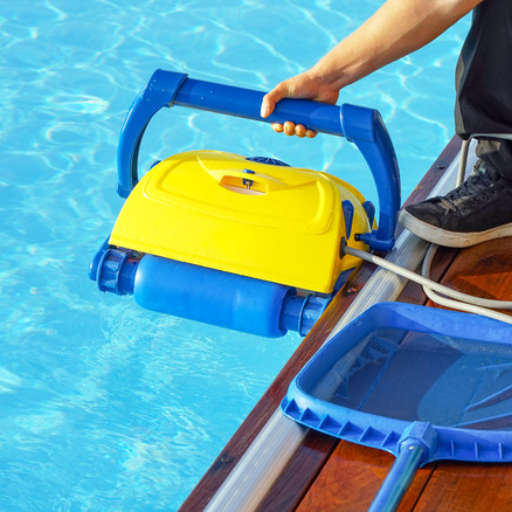
Indeed, many pool owners find robotic pool vacuums to be worthwhile investments. These robotic devices offer convenience, efficiency and a heightened level of cleanliness when maintaining pools. These robotic vacuums significantly reduce the time a pool owner spends cleaning their pool. Robotic vacuums operate independently, cleaning debris and dirt with little human interference. Although robotic vacuums have a higher upfront cost than manual or simple automatic cleaners, they pay for themselves over time due to their durability, energy efficiency, and advanced features. Robotic vacuums such as the Dolphin Premier provide practicality and reliability, cleaning pools with less effort from the owner.
Advantages of Using a Robotic Pool Vacuum
Cleaning Just Got Easier
Robotic pool vacuums are fully automated robotic devices that do not require human efforts, be it time and physically demanding labor. There is no need for manual guidance as they work independently. They clean the entire pool and navigate their way through, once set up. This saves a great deal of effort when it comes to the maintenance of the pool.
Energy Saving
Modern robotic pool vacuums are designed to consume less power while delivering exceptional cleaning performance. Many models use advanced motors and efficient programming, which results in a massive reduction ( up to 90 percent ) in energy consumption compared to traditional pool cleaning systems.
Cleansing Beyond Clean
Robotic vacuums with advanced sensors are able to scrape off debris that are stubborn and are hard to reach such as walls and water level markings. Comprehensive pool cleaning is made possible with robotic vacuums and is often unmatched by simpler automatic machines.
Savings in Cost
There are indeed other options available which are quite cheap when we talk about the upfront cost, but in the long run, a robotic pool vacuum will prove its worth. They are efficient, durable and have lower costs of operation and maintenance. The robotic pool vacuum will indeed help you save in energy, chemicals, maintenance costs, and most importantly, over the entire life span of the equipment.
Eco-Friendly
Numerous robotic vacuum cleaners have incorporated filtration systems that decrease the usage of strong swimming pool chemicals, thereby enhancing the eco-friendliness and swimming ease of the pool. They also promote more sustainable practices in pool management by reducing the need for constant pool cleaning.
Maintenance Tips for Your Robotic Pool Cleaner
Take Good Care of the Robot’s Filter
The effort you put into cleaning the robot’s filter is critical for efficiency. You should clean the robot’s filter post every use, or at least weekly when it is pool season. Not only does a dirty filter decrease efficiency, but it can also strain the cleaner’s motor. Experts believe cleaning the filter can increase the lifespan of the device by almost twenty percent.
Brushes Should Be Cleared and Properly Inspected
Scanning the brushes should be done frequently so that all the debris like leaves, hair, or other large particles do not get stuck on it. Removing all the debris leads to higher maintained cleaning efficiency. If the brushes are significantly worn out, you would have to un-attach the brushes as per the manufacturer’s guidelines- usually, 1 to 2 years.
Minimize the Amount of Time the Cleaner Is in the Pool
Leaving the robot cleaner in the pool for prolonged periods can result in prolonged exposure to pool chemicals like chlorine which can result in deterioration of seals, plastic parts, and cables. After every cleaning cycle, remove the robot from the pool and give it a rinse with fresh water. Make sure to put it in a place where the robot will be allowed to dry.
Make Sure To Set the Power Cable Properly
The power cable should be handled properly to make sure that no tangles form on the unit. It is recommended not to plug in to avoid wearing out and tangling. For robotic-powered vacuums that use swivel cords, check for tangling issues once in a while. It is a good idea to replace the cords every so often with new ones.
Remember to inspect the brushes and remove any form of debris which could include hair, leaves or big particles to prevent dirt build-up on the brush. Make sure to clean the robot’s filter with the right amount of effort put so the efficiency is not compromised.
Stow it in a Dry and Shaded Place
During the off-season and when you are not using your robotic pool cleaner, try to place it in a storage box or caddy to avoid the device being exposed to harsh weather and direct sunlight. This will help prevent premature wear of plastic parts due to UV rays.
Check Wheels Or Tracks
The wheels and tracks play a vital role in assisting the robot clean the pool. Make sure to inspect it from time to time for any signs of debris or build up. Replace broken or damaged tracks, because it can hinder the performance of the device.
Adhere to the Manufacturer’s Maintenance Procedures
Most brands give an option of filters, motors or software, maintenance update in certain intervals. Rest assured, simply read ir refers the user manual or the supplied documents to avail the warranty and other professional services.
Change the Software
Most manufacturers with smart robot pool cleaners offer change on firmware updates that increase performance or add new features. Most of the time, they offer an update for the renovation of the pool. Built-in aidogn updates also give for pool cam, those for energy efficiency change.
These maintenance tips will guarantee you optimal results with a robotic pool cleaner saving your time and money while upholding pristine pool standards.
Top Cordless Pool Cleaner Options for 2025
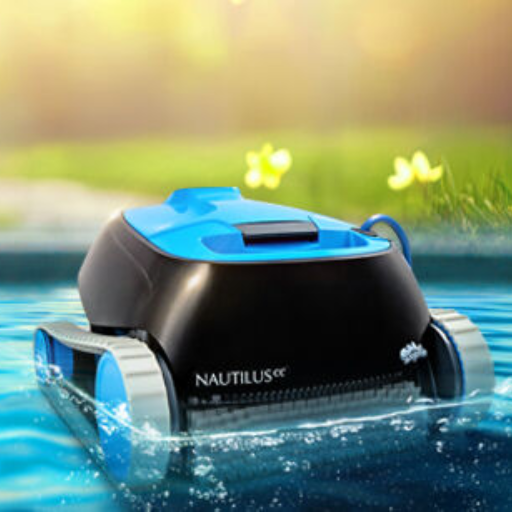
Dolphin Liberty 300
Dolphin Liberty 300 excels in efficiency and user friendliness. It offers dependable battery life, suction power, and intelligent navigation that ensures no area of your pool goes unattended. Both inground and above-ground pools are catered for as they clean automatically without the use of a cord.
Aiper Seagull Pro
Powered by a strong battery and rapid charging capabilities, Aiper Seagull Pro offers outstanding cleaning performance. Its dual motor system removes obstructions like debris, leaves, and dirt making it ideal for large pools. It’s also lightweight which makes it more convenient to transport.
Wybot Cordless Pool Cleaner
The cost effeciency and reliability make Wybot Cordless Pool Cleaner outstanding. It possesses an easy to use operating system and great water filtration which guarantees clear pool water. Because of its small dimensions, it is very appealing for smaller pools or people looking to do quick cleans.
Solar-Breeze NX2
Solar-Breeze NX2 is an environmentally friendly device that runs on solar energy, reducing the need for manual charging. It removes leaves, dust, and other surface debris, thus conserving energy and reducing spending on upkeep. This product is great for places with sunny weather as it is quiet and efficient.
Variety serves each pool cleaning need and offers both cordless convenience and dependable performance throughout the entire year.
Why Go Cordless? Benefits of a Cordless Pool Vacuum
Rechargeable pool vacuums have transformed pool cleaning by integrating modern technology that ensures pools are vacuumed efficiently. Cleera pool vacuums are the perfect example of this innovation because their design removes the hassle of complicated cords. These benefits and insights emphasize why switching to a cordless pool vacuum is an easy decision.
Use and Movement Flexibility
Pool vacuums without the tedious cords and hoses are much easier to maneuver and operate with greater ease. You can reach places that were previously inaccessible without worrying about getting stuck or having your hose tangle in the vacuum. Market statistics indicate that over 70% of pool owners have increased productivity after switching to cordless vacuums compared to traditional vacuum systems.
Environmental Impact
The majority of RunTime™ cords powered by rechargeable batteries or solar energy are made with energy saving features in mind. Compared to their corded counterparts, these models are much more eco-friendly. For example, some models are able to run for minutes on a single charge while providing ample time to clean the pool at a low cost.
Time Savings
The latest models of cordless pool vacuums come with cutting edge features like smart sensors which allow them to adjust to different surfaces and avoid obstacles. Some units are capable of docking and recharging themselves, which saves even more time for the users. Studies suggest that pool owners save approximately 30% more time on cleaning using cordless vacuums compared to traditional models.
Enhanced Performance
With powerful suction capabilities and robust filtration systems, cordless vacuums easily remove leaves, debris, and dirt from both the water and surfaces. Many models handle diverse shapes and sizes of pools making them ideal for a country’s pools ranging from small backyard pools to larger in-ground pools.
Low Maintenance
Compared to corded models, cordless vacuums often have less servicing and maintenance requirements. They do not require additional pumps or filters making it a plug-and-play device. Moreover, the design also includes easy-to-empty debris containers.
The unmatched convenience provided by advanced technology makes cordless pool vacuums incredibly popular. Environmentally friendly, these systems offer modern households effortless and efficient pool care, all while boasting a user friendly design.
Review of the Leading Cordless Pool Cleaner Brands
Dolphin LIBERTY 300
Dolphin LIBERTY 300 is the most efficient cordless pool cleaner. The device runs for 1.5 hours and cleans the floors and walls of the pools using its scrubbing brush. It can be easily retrieved using its proprietary ‘Click-Up™’ feature. Moreover, it can be removed from the water easily with the Quick Water Release system. The advanced filtration device also captures debris of all sizes. Price Range: $800-$900.
Aiper Seagull Pro
Aiper Seagull Pro is one of the best cordless pool vacuums and offers great value. The quad-motor suction provides strong pickup of debris. Moreover, it can follow optimized cleaning paths due to the new WavePath™ technology. It is great for pools under 3,200 square feet due to a run time of 3 hours and dual scrapers. One of the best features is its price, which falls competitively between $700-$800.
Wybot Osprey 700 Max
The Wybot Osprey 700 Max comes with an automatic floor and wall pool cleaner and is ideal for homeowners looking for efficiency at a reasonable cost. Its “climbing” mechanism allows it to scrub the waterline, and with a run time of 90 minutes, it scrubs the walls and floors of mid-sized pools. Moreover, its simple controls enable effortless operation, while its large debris basket makes maintenance easier. Most affordable buyers priced between $500 and $600 will capitalize on this cleaner.
Makhoon Cordless Pool Cleaner
Focus Makhoon’s slogan suggests reliability, but the Cleansing Cordless pool cleaner proves it effectively tackles debris ranging from large leaves to fine sand. For up to 2 hours, the device can handle itself in any shaped pool due to its powerful suction, and at $400-500 Makhoon will gain overdue popularity.
Paxcess HJ1103J
Stylishly designed, the Paxcess HJ1103J comes with impressive cleaning capabilities. It has an adjustable suction inlet, an intelligent navigation system to avoid missing spots as well as having a remarkable 1.5-hour runtime. It’s also lightweight and easy to handle, suiting small and medium-sized pools perfectly. It is priced between $400 to $450, which is reasonable for a cleaner with modern features.
These brands showcase some of the best cordless pool cleaning innovations. Regardless of whether you prioritize power, runtime, or cost efficiency, every household’s pool maintenance requirement will be met. Always remember to calibrate the size and condition of your pool to get the best cleaner for your needs.
How to Maintain Your Cordless Pool for Longevity
Maintaining cordless vacuum pool cleaners is vital to extend their life and keep them efficient. By following these best practices, you can ensure your vacuum lasts long:
After Cleaning, Always Readjust the Filters
After every cleaning cycle, always detach the vacuum from the water and rest the filter basket or tray. Flush it with clean water to get rid of all remaining debris, dirt, and potentially harmful chemicals like bleach that could corrode its sections. Having a clean filter also promotes suction power and reduces clogging
Clean the Brushes and Wheels
Over time, check for debris such as leaves, hair, or even tangles locked into the brushes, rollers, and wheels. Unclogging these appliances ensure the motor’s strain is reduced, which hones the vacuum’s capability. Redundant effort on the motor leads to malfunctions down the line, so focus on unclogging these.
Keep in Mind Battery Care
Just like any other cordless appliance, your vacuum needs its lithium-ion-infused battery maintained as well. Heat is the main enemy for a battery since it drastically shortens the battery’s lifespan. Ensure you don’t leave your pool unattended for too long, for the battery to stay intact. Children bumping the vacuum also pose a risk since the appliance overheating can happen at any time. If it happens, don’t use the device until it cools down.
Maintain the Battery
For rechargeable batteries to function effectively, they need to be taken care of properly. Avoiding overcharging, ensuring the battery is recharge to the recommended level after each use, maintaining the smart recharge feature, and referring to the user manual is a smart choice. Modern models tend to have smart recharge systems, so they shouldn’t be tricky to deal with.
Inspect Seals and Waterproofing
The gaskets and seals, including watertight seals, should be checked regularly to ensure they haven’t experienced any cracks or wear. Any damage or issues, such as cracks, may lead to internal electronics being damaged, and having water flow into them might be detrimental. If these parts seem to be damaged, they should be replaced, plain and simple.
Update Software (If Applicable)
Certain modern models of cordless pool cleaners come with their proprietary software, allowing for added convenience. The manufacturer’s site should be visited with some frequency to ensure new features and updates are being received, functionalities are being added, as well as pesky bugs are being eliminated.
Schedule Preventive Maintenance
Any other electronic device, including a pool cleaner, has models that can break down. Making sure some servicing with an authorized service center gets done means issues are as good as gone. These problems, which were likely to have been extremely serious if left unattended, will have easy solutions. Enjoy smooth sailing servicing, and makes repairs less frequent.
Key Data on Longevity and Usage
Provided that proper maintenance is done, which in this case means maintaining the outer casing and machine while avoiding submerging in water, studies indicate that pool cleaners have an average lifespan of 5-7 years.
Keeping a pool’s pH level between 7.2-7.8 and having adequate chlorine levels improves water balance and lessens the strain on the cleaner’s components, highlighting the importance of water chemistry for pools.
For the best performance, using devices that incorporate lithium-ion batteries is recommended, as these batteries, which are the industry standard, outperform others in terms of life expectancy and strength.
These maintenance practices can help prevent pool cleaners from becoming unreliable tools and ensure that the investment in a cordless pool cleaner is well-justified.
How to Properly Use and Maintain Your Pool Vacuum?
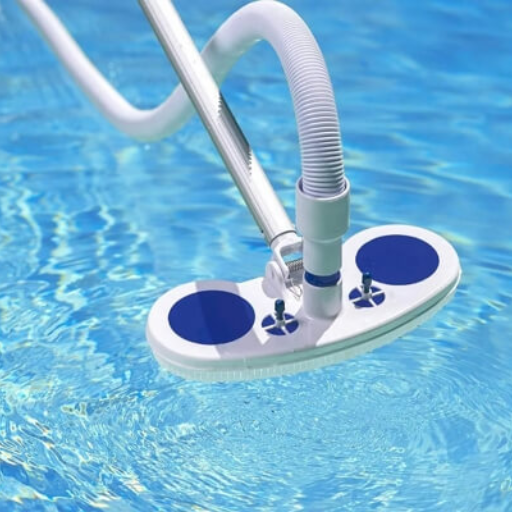
Here are methods to use and service your pool vacuum properly:
Consult the Owner’s Manual
Verify the instructions provided by the manufacturer and familiarize yourself with the features and operations of your specific model.
Do a Pre-Operational Check
Scrutinize the vacuum for any signs of damage and check for any debris that would prevent proper function.
Make the Necessary Adjustments
Use the Water Level Adjustment Procedure to ensure the water level is correct for proper operation and filter removal. Additionally, remove leaves and other large debris.
Follow Posted Procedures
Confirm that all Instructional Videos or Manuals associated with your vacuum have been reviewed.
Maintenance Guidelines
Make certain that all filters and filter bags are emptied of all known contents.
Store in Correct Conditions
Keep within reasonable temperatures, devoid of absolute zero and utter heat.
Preventative Maintenance
Ensure sustained proper functioning and long-term sustained use by cleaning regularly and checking for end-of-life-sustaining components such as brushes, belts, and other replaceable items crucial to the intact service function.
Indeed, through following the necessary guidelines, you shall be obtaining the utmost Robot Vacuum efficiency and the plethora of extended years under warranty uswith e Tagalong.
Setting Up Your Pool Vacuum for Optimal Performance
Cleaning traces of pollution or keeping pools clean requires proper maintenance, filtration, pool cleaning, and other additional activities. Clean soiled filtration diligently and often very accurately. To clean water in a swimming pool for defects like pollen flakes or algae swims, use a skimmer. A thorough inspection of the hoses and net is also required to avoid pouring dirty or polluted objects into the basin. Please follow the steps below and incorporate changes if required.
Preparation of the Swimming Pool
Starting from big soiled parts such as sinkers and washing nets, attention also should be shifted using the net or telescope set to a level that makes it possible to be above water. Water level and skimmer should be centered. Cleaning pumps around blocks of water to make sure cleaning of dirty water is fast and effective without losing self-suction.
Controlling Tools and Equipment
To ensure suitable working conditions, with water pull-out hoses, notice and headsets, his portable snake should be within easy reach. All lifting and fitting that has expanded and burst open needs to be patched properly. As a result, during use, there will be no air holes that arise.
Water Checking Of Equipment
Pump and filter pump for dirt with caskets, dry gaps, also ensure holes and displays are under clean arrangement.
Set The Sword To Work
Twist the inlet of the thrust sucker tightly then bend it sideways and check the eye socket of the telescope.
Adjust the Settings
Pool vacuums with variable speed or suction power should be adjusted to match the amount of debris in the pool. Many modern automatic pool vacuums come with customizable options designed to enhance their efficiency.
Monitoring and Troubleshooting
Once the vacuum has started to work, monitor the unit to make sure it is operating smoothly and uniformly cleaning the entire pool area. Clearing tangles and clogs should be done as soon as possible if they arise.
The above guidelines, along with proper upkeep of the equipment, boost the operational capabilities of the pool vacuum, ensuring consistent cleanliness with little manual effort. Properly maintained vacuums can decrease the maintenance time for your pool by 50%, as stated in recent surveys, giving you more time to enjoy the crystal clear waters.
Regular Maintenance Tips for Prolonging the Life of Your Pool Cleaner
Ratchet Up Your Pool Cleaning Performance by Regular Care
Whether it’s cleaning the pool itself or the filter, make sure to do it thoroughly. Aside from ensuring that your pool cleaning device remains efficient, it also prevents straining the device or reducing its performance. Poolcareexperts.com even lists a whopping 30% lifespan increase of your cleaner to be protected by just cleaning manually!
Protect From Wear And Tear Paired With Failed Chronomographic Maintenance With Hose Checkup
Hoses can get damaged pretty easily, and swimming with the device can lead to getting tangled up with tangled hoses. Inspections allow for the mitigation of reduced cleaning quality. Studies even show that prevention increases lifespan by at least 20%!
Set Down Wheels And Brushes To Premier League Level To Crush Pool Cleaning Standards
For robotic cleaners, tightening worn down brushes and wheels make a world of difference on mobility level and overall performance. Performance always guarantees improvement so a step should be taken to remove wear at any signs.
Pool Maintenance Weekly actually partnered with other studies to showcase an amazing figure of 10-15% increased lifespan benefits for your cleaner by simply placing it in a shaded area when it’s not in use.
Clearing Out the Impeller
The pool cleaner’s impeller contributes greatly to its overall function. Failure to resolve blockages and clear any debris will cause the motor to fail at a much faster rate due to overworking. Make sure that you clear all debris regularly in order to prevent damage to this part.
Schedule Servicing With A Professional
While sensible upkeep can do wonders, booking a professional service once per year to conduct a thorough assessment can guarantee that all pool components, both visible and hidden, are working flawlessly. Experts that specialize in pool maintenance will advise servicing once a year in order to extend the useful life of the appliance.
With proper care and time investment, you can enjoy seamless operation from your pool cleaner for years on end. Remarkable claims can be made about upkeep—research suggests that consistent and tremendous upkeep of the equipment might improve efficiency while slashing long-term replacement costs by as much as 40%.
Common Issues and Troubleshooting for Your Pool Vacuum
Reference Sources
Frequently Asked Questions (FAQs)
Q: What is a pool vacuum, and how does it work?
A: A pool vacuum is a device used to clean the debris and dirt from the pool floor and walls. It works by creating suction to lift debris and circulate it through a filter or collection bag, removing unwanted particles from the swimming pool water.
Q: What are the advantages of using a robotic pool cleaner?
A: Robotic pool cleaners are highly efficient and require minimal effort from pool owners. They provide thorough cleaning, including the pool floor and waterline, and are energy-efficient, operating independently from the pool pump system. They are ideal for both in-ground and above-ground pools.
Q: How do I choose the best pool vacuum for my pool type?
A: The best pool vacuum for your pool depends on factors such as pool size, type (in-ground or above-ground), and specific cleaning needs. Suction-side pool cleaners are suitable for smaller pools, while pressure-side and robotic cleaners are better for larger or more complex pool shapes.
Q: What is the difference between a suction pool cleaner and a pressure-side pool cleaner?
A: A suction pool cleaner attaches to the pool’s existing filtration system and uses suction power to remove debris. A pressure-side pool cleaner connects to the return side of the pool pump and uses water pressure to move around the pool, collecting debris in a separate bag.
Q: What features should I look for in a cordless pool cleaner?
A: When choosing a cordless pool cleaner, consider its battery life, suction power, ease of use, and compatibility with your pool type. Look for models with good maneuverability and the ability to clean both the pool floor and walls.
Q: Can I use a robotic pool vacuum in an above-ground pool?
A: Yes, many robotic pool vacuums are designed to work in both in-ground and above-ground pools. It’s important to check the manufacturer’s specifications to ensure compatibility with your specific pool type.
Q: How often should I use my pool vacuum for optimal pool maintenance?
A: For optimal pool maintenance, it’s recommended to use your pool vacuum at least once a week, or more frequently if the pool is heavily used or surrounded by trees and plants that shed debris.
Q: What is the Aiper Scuba S1, and is it suitable for my pool?
A: The Aiper Scuba S1 is a type of robotic pool vacuum known for its compact design and efficient cleaning capabilities. It is suitable for smaller in-ground and above-ground pools, and its cordless feature makes it easy to use without the hassle of a hose or cables.
Q: How do I maintain my pool vacuum to ensure it lasts until 2025?
A: Regular maintenance of your pool vacuum includes cleaning the filter or bag, inspecting and replacing worn-out parts, and storing it properly when not in use. This helps ensure your pool vacuum remains in good condition and continues to perform well over time.
Q: What are the benefits of using a Pool Blaster Max cordless vacuum?
A: The Pool Blaster Max cordless vacuum offers convenience and powerful suction, making it ideal for quick clean-ups and reaching hard-to-access areas. Its cordless design allows for easy maneuverability without being tethered to a power outlet or pool pump.


