
Creating outdoor spaces is not just about beautifying the outside of your house; you can create ambiance, add value and enhance functionality. One of the best ways of improving your outdoor environment is by using solar lights. Solar lighting not only illuminates your garden or yard but also lets you light your pathways with minimum impact on the environment. Whether you need more safety features through bright lights, want to add elegance, or simply want inexpensive lighting around your home, keep reading for everything you need to know about outdoor solar pathway lighting. By the end of this article, you will learn helpful suggestions and design tips to make your place a stunning flashlight both in the daytime and at night.
How Do Solar Pathway Lights Work?
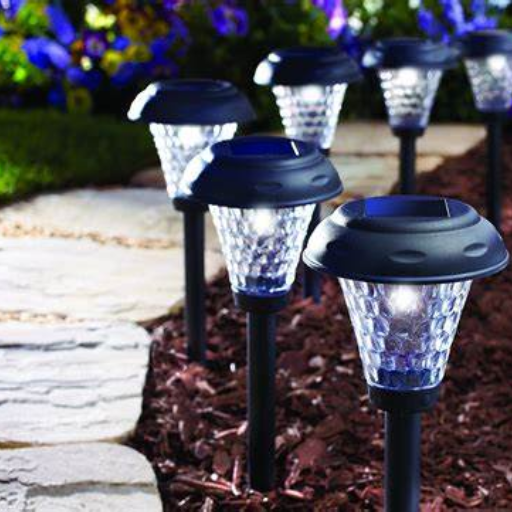
Solar Pathway Lights convert sunlight into energy and use it to power LEDs at night. Each light has a built-in solar panel that converts sunlight into energy, charging a rechargeable battery. A built-in sensor automatically turns the light on at night. These lights are eco-friendly, as there is no need for wiring or other electricity, making energy use efficient and sustainable.
Understanding Solar Panels in Pathway Lights
The solar panels found in pathway lights are configured for optimal capturing of sunlight and transforming it into electrical energy. These panels usually present as photovoltaic (PV) cells made out of silicon, which, when being irradiated, produce direct current (DC) electricity. In the case of solar panels mounted on pathway lights, their technological advancement has seen ease of integration with existing systems and their efficiency stands between 15% and 22% in most cases.
The rechargeable batteries used in conjunction with the solar panels, typically lithium-ion or nickel-metal hydride (NiMH), resonate with the properties of being strong and meant for daily charging and discharging. Owing to the relatively outdated technologies, lithium-ion tends to be the more sought-after option because of possesses a higher energy density, longevity, and faster charging capabilities.
Moreover, the placement as well as the size of the solar panel in a solar light for pathways affect the pathway’s energy gathering efficiency. Solar panels that receive direct sunlight without obstruction from building structures or trees will maximize energy optimization. Generally, an average functioning solar pathway light should receive approximately 4 to 6 hours of direct sunlight for additional illumination at night. Several modern models also incorporate smart energy management systems that automatically restrict power usage and preserve energy during overcast days or low sunlight conditions.
These advancements have improved the functionality and dependability of solar lights in changing temperature conditions where there is seasonal sunshine limiting access. Keeping peaceful and solar panel technology forward by continuously working on the innovations enhances its standing as an eco-friendly and energy-conserving option for outdoor lighting systems.
The Role of LEDs in Solar Pathway Lights
The functioning of solar-powered pathway lights is highly enhanced with the inclusion of LEDs (Light Emitting Diodes). LEDs are very efficient, environmentally friendly, and economically friendly, making them convenient when it comes to solar energy systems. Solar-powered LEDs are very beneficial because their energy consumption is incredibly low. Incandescent bulbs are costly in comparison as they waste a lot of energy; to put it into perspective, incandescent bulbs use 75% more energy and aren’t as durable, lasting only a quarter of the time. Solar power is a great investment, and the power consumption consumed by LEDs demonstrates this.
Conveniently, lights for outdoor usage can now be customized, enabling users to set their desired brightness. This is made possible through modern technology, enabling the change of light intensity and temperature. For LEDs, that means incredible adaptability to suit users’ specific needs, giving them brighter LED lighting for pathways whilst saving power and energy. A great example of this is the 5-watt LED that shines just as bright as a 40-watt incandescent bulb. The fact that LEDs waste a lot less energy in the form of heat emission means that they are much more energy efficient and durable when compared to incandescent lighting.
Smart controls and motion sensor integration are new features in LED Technology that increase the efficiency of solar pathway lights. Solar-powered lights can now last longer during the night because motion-activated LEDs only use stored solar energy when movement is detected. Also, the use of microchip-controlled LEDs allows for dimming which improves the functionality and energy efficiency of solar pathway lights.
These features, combined with the use of renewable energy sources, make LEDs crucial for the development of solar-powered lighting systems. Through ongoing developments, LEDs are causing the outdoor lighting industry to evolve toward more sustainable solutions that are cheaper and easier to maintain.
Solar Light Power and Efficiency
Just like other solar-powered devices, solar-powered lights derive their energy from sunlight. This is an advantage, considering that it encourages cleaner solar energy-powered lighting. Modern solar panels have significantly improved in the harnessing of photovoltaic technology. Recent studies show that average solar cell conversion efficiency has increased from a little over 15% in the early 2010s to over 22% as of 2023. Some advanced technologies are even surpassing 26% efficiency. Greater efficiencies allow solar lights to capture and store energy more effectively, even in places with sporadic sunlight.
Advancements from other technologies increase the effectiveness of solar lights. Lithium-ion batteries, for example, are widely used in solar-powered lights due to possessing higher energy density, longer lifespan, and quicker recharge rate compared to older models. As a result, modern solar lights can function for prolonged periods and provide reliable brightness through the night.
Additionally, the use of smart features in solar lighting systems has led to better optimizations in energy usage. Motion sensors are capable of adjusting the brightness levels of lights to ensure that energy is preserved. In certain cases, models are able to increase the light level when motion is sensed but scale it back to minimal levels when no movement is detected.
The advancement of solar panel efficiency alongside modern battery technology and intelligent energy management systems has together made solar lighting systems an economically practical option for both residential and commercial use. With so much focus placed on reducing carbon emissions globally, it is evident that solar-powered lighting still serves and will continue to serve a very significant purpose in supporting environmentally friendly innovations.
What Are the Benefits of Using Outdoor Solar Pathway Lights?
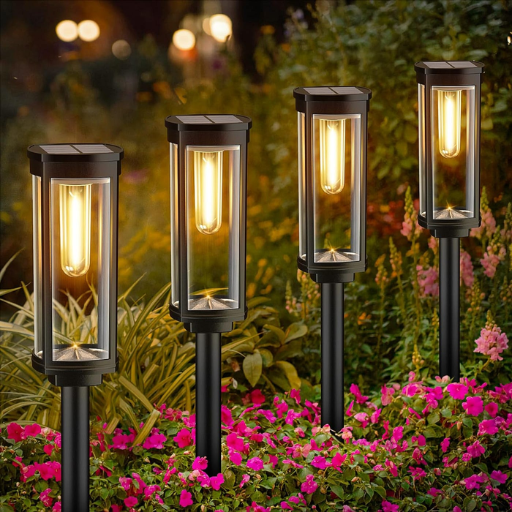
Since outdoor solar lights operate using daylight, they come with a variety of features that make them both practical and environmentally sustainable. Let’s consider their benefits:
Eco-Friendly and Cost-Effective: As previously mentioned, outdoor solar lights use sunlight as their source of power, thus reducing the need for electricity.
Fights Climate Change: Makes use of renewable solar energy, consequently minimizing greenhouse gas emissions.
Easy to Set Up: As is the case with other solar pathway lights, outdoor solar lights make use of photovoltaic cells, thus requiring no wiring.
Durable: Built to last, these lights typically require almost no maintenance since they function automatically and incorporate LEDs that last for years.
Improved Safety and Beauty: Reduces possible safety hazards in outdoor regions, serving to also make pathways and gardens look more beautiful.
With all these benefits working together, outdoor solar pathway lights greatly assist those trying to save on costs while being environmentally conscious.
Advantages of Solar Landscape Lighting
Solar landscaping lights have multiple advantages. These lights are cost-effective, environmentally friendly, and convenient because they are powered by the sun. Here are some of the benefits supported by recent facts:
Energy Efficiency – Solar lights utilize energy from the sun, which means grid-existent electricity power is not required. Current statistics show that the efficiency rate of solar panels is between 15%-20% which means even suboptimal sunlight conditions would be captured.
Cost Savings – Utility bills can be a financial burden; however, with the use of solar energy, this cost is almost halved, according to Energy.gov. The report flags that outdoor solar lighting systems can help reduce up to 30 percent of lighting expenditure, making it a valuable long-term investment.
Longevity and Durability – The latest advancements made with the use of LEDs guarantee that solar lights have increased longevity. LED bulbs can last up to 9 50,000 hours. They are designed to resist weather elements which makes them suitable for the outdoors and are commonly rated to last 10-15 years.
Using electricity-powered devices contributes massively to global warming, but with solar-powered landscaping lights, the carbon footprint is significantly reduced. These lights align with the global movement towards environmentally friendly energy trends and the ecosystem.
Ease of Installation: Solar lights are completely wireless, making them simple and fast to install, unlike wired lighting systems. They are ideal for remote areas lacking power sources because they’re not connected to electrical grids.
Customization and Aesthetic Appeal: Solar lights can add to the overall design of a property, ranging from understated pathway lights to more elaborate garden features. Smart solar lights that can be controlled through mobile applications have also been developed, allowing users to adjust the brightness and schedule when the lights turn on or off.
These examples show that solar landscape lighting is not only efficient but also an intelligent solution for modern-day living when considering ecology and sustainability.
Cost-Effectiveness of Solar Powered Outdoor Lights
The outdoor solar lights do save money in the long run which is one of the most significant benefits. Unlike traditional electric lights, solar lights may cost a little more at the start but save a lot in the long run. This is because there is no persisting electricity cost. Reports show that by switching to solar, an average household can save between $50 and-100 annually. Moreover, withstanding outdoor conditions and an enduring design, solar lights have practically zero upkeep costs. The LED bulbs also last for more than 20,000 hours.
Most high-quality solar-powered outdoor lights range between $20-$50 per unit. Using sunlight rather than grid electricity offsets these costs. In addition, a lot of local authorities and governments provide grants and incentives for eco-friendly solar technologies which lower the purchasing price even further.
In just 5 to 10 years, investing in solar lights can help homeowners save hundreds of dollars, further solidifying their status as an eco-friendly technology. When considering property value, solar landscaping can also improve the curb appeal and increase the home’s resale value. With the mixture of cost effectiveness, durability, and energy saving, solar outdoor lights become an attractive investment for any consumer mindful of their spending.
Eco-Friendly Features of Solar Garden Lights
As with any solar-powered device, solar garden lights possess numerous advantages for the environment and homeowners alike. Such lights store power from the sun using photovoltaic cells, meaning they do not draw electricity from the grid, which is often powered by fossil fuels. A solar panel, according to the U.S. Department of Energy, can single-handedly negate about 2,000 pounds of carbon emissions per year, and outdoor solar lighting can benefit significantly from this value.
In addition, solar-powered lamps tend to have LED functions which consume 75% less energy when compared to traditional incandescent bulbs and have a lifespan 25 times longer than the latter. The results of this are less waste, reduced call for new resources, and lowered demand – all of which reduce the environmental footprint of a solar light. Green materials have begun being used by a lot of manufacturers in the construction of their lights, allowing for a more positive impact on the circular economy.
In addition, solar-powered garden lights only work when necessary thanks to their automatic settings. They do not require human interaction for switching on and off at dusk and dawn, meaning energy and light pollution are cut down. Besides that, modern solar garden lights are reliable for use even in overcast conditions, thanks to innovations made to solar battery storage technology, meaning they function all year round.
Purchasing solar garden lights improves the beauty of a property, but also showcases the owner’s strive to reduce their climate impact – an increasingly important concern nowadays.
How to Choose the Best Solar Pathway Lights for Your Garden?
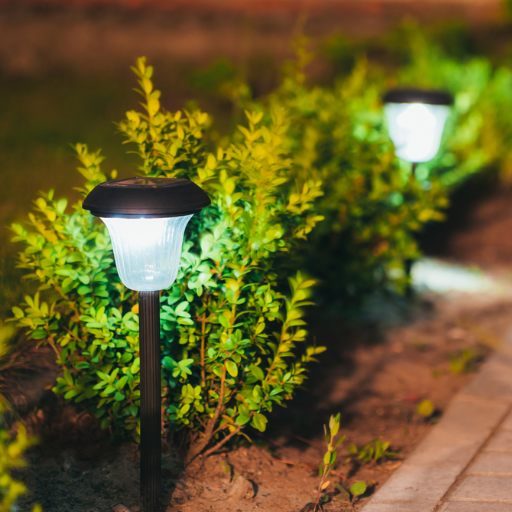
As with any electrical installation, always remember to turn off the electricity supply before beginning the installation of the best solar lights for your garden.
Types of Lights – Check if the lights are designed as spotlights, lanterns, wall-mounted, or portable, to choose the right fit as per your preferences.
Shape and Size – These two determine the light’s visibility range and weight. This allows you to increase or decrease illumination in your garden.
Light Visualization Distance – This refers to the length at whereby the solar lights need to be visible. If aiming for greater coverage over a large piece of land, set the lights further apart.
Time of Use – Set the specific time the light is supposed to illuminate the garden. You can easily manipulate the timer to however you deem fit, setting it to specific hours wherein it serves as a decorative light for your garden.
Color of the Light – Choose as per your desire. This allows the solar light to change from the normal bright white to blue white and any other color as set up in the solar timer.
Greater control over light intensity is granted which can be set lower to prevent light pollution.
These cover the essentials to keep in mind while looking to buy solar lights for your pathway.
Prioritize purchasing solar lights that meet all these requirements to ensure you have an easier time operating them and increase their lifespan.
Key Features to Look for in Solar Pathway Lights
1. Brightness and Lumens
One of the many factors to consider when purchasing solar lights for pathways and gardens is the amount of brightness they emit in lumens. For typical pathways and gardens, 10-50 lumens are usually enough to provide soft light and not illuminate the area too intensely. For additional space, higher lumens lights of 50 to 200 are best suited, especially in high-security areas.
2. Battery Capacity and Solar Panel Efficiency
The amount of time a solar light remains illuminated directly depends on the capacity of the battery and the efficiency of the solar panel present in the light. Higher capacity Li-ion batteries which usually range from 2000-3000mAh, tend to last longer. Powering the lights for 8 to 12 hours, if fully charged. Additionally, energy-efficient monocrystalline or polycrystalline solar panels are the best as they convert the most sunlight into energy, even when it is cloudy.
3. Durability and Weather Resistance
To get the best solar lights, one must consider the ability of the lights to withstand all forms of weather. Look for lights that have a high IP rating which shows the level of water and dust resistance. Such lights work best in outdoor settings with an IP grade of 65 or higher. Durable materials such as stainless steel and aluminum or ABS plastic help to enhance the defences, protecting against rust, corrosion and internal wear.
4. Modes of Lighting and Automation Systems
Let’s take a look at the more advanced features of solar lights. They often can have a wide range of lighting modes, such as steady light, dim light, or even bright light with motion sensors. In addition, automation features like dusk-to-dawn sensors allow the lights to turn on and off autonomously which makes controlling energy usage much easier.
5. Design Appeal
Besides the practical benefits, the cosmetic features of solar pathway lights are also top-notch. They come in a wide variety of shapes and designs suitable for every type of garden. From advanced lantern-like designs to more minimalistic variants that can complement the charm of your outdoor space.
6. Long-Term Savings
A cost-benefit analysis of solar pathway lights shows that their cost can vary to some extent based on functionality and design. For a good quality solar light, which ranges from $20-$50 dollars seems reasonable. Nonetheless, solar lights do save significantly on electric bills and reduce carbon footprint, making them an ideal investment long-term.
7. Performance Data and Reviews
Consumer research shows that solar lights with the highest customer reviews consistently outperform lesser-rated models. With popular models like the URPOWER 2-in-1 Solar Spotlight and the GIGALUMI 12 Pack Solar Pathway Lights being market rated. Customer reviews state that these solar lights have good durability, brightness, and ease of setup up which makes them highly rated among users.
To ensure a brighter, safer, and better-looking environment, as well as promote sustainability, investing in solar pathway lights with these features is recommended.
Comparing Solar Pathway Lights: Warm White vs. Bright White
One of the essential aspects to think about when choosing solar pathway lights is the type of light they emit. Depending on your outdoor lighting requirements and the look you want to achieve, the most popular options, warm white and bright white, have their distinct advantages.
Warm white solar lights:
These lights range from 2700K to 3000K and emit soft yellowish light, like incandescent bulbs. Furthermore, they help relax coziness while still facilitating healing. In general, warm white lights are ideal for pathways located in patios as well as gardens. Furthermore, they are also used in areas where rest is needed. These solar lights are widely used in residential homes as warm white is soothing and blends with nature.
Bright white solar lights:
Bright white has a higher color temperature than warm white and ranges from 4000K to 6000 K. These solar devices give out crisper and cleaner light which resembles daylight. In comparison to warm whites, bright white solar pathway lights have greater visibility which makes them useful. Bright white is the most common choice when using them for safety applications like driveways or high-traffic walkways, as they are sleek and modern, perfect for contemporary homes.
Brightness Versus Efficiency:
The latest developments in the technology of solar lights have improved the efficiency gaps between the warm white and bright white options. Solar-powered lights of both types now come with energy-efficient LED bulbs and high-capacity solar panels to ensure better efficiency. Due to greater brightness perception, areas that require high-intensity illumination may prefer using bright white lights.
Energy and Battery Needs:
Both types of lights are offered in versions with similar parameters of solar panels and batteries. In general, when fully charged, almost all models of solar pathway lights result in 8 to 10 hours of usage powered by a day’s worth of sunlight. It is important to emphasize that due to lower brightness driving perception, incremental savings in battery power may be consumed at a faster rate by bright white lights. Choosing a light with an effective power management system helps to mitigate this issue.
What to Use?
Whatever your preference might be, the choice between warm white and bright white solar lights is subjective and dependent on the context in which they’ll be used. Warm white lights suit perfectly well if evening aesthetics and softer ambiance are your main priorities. On the other hand, if bright lights are more functional and helpful, then smart serves as a more effective option. For those seeking a middle ground, certain solar lights offer adjustable color temperatures, providing users the option to switch from warm to bright and vice versa.
Considering carefully what lighting your solar pathway lights require, taking into account the overall aesthetic, the preferred environment, and the surroundings, alongside suitable aesthetics blends almost seamlessly into the outdoor area and enhances the area that needs it most.
Considerations for Waterproof Solar Garden Lights
For waterproof solar garden lights, there is a specific list of features to consider that affect the performance and duration of use based on varying social conditions.
IP Rating: One of the most important features for assessing adequate garden lights is the IP (Ingress Protection) rating. An outdoor garden light should have an IP rating not least 65, as it protects against dust and water jets from every angle, which is beneficial in rainy areas.
Material Quality: The construction materials used for the solar garden lights need to be of top quality, such as aluminum, ABS, and stainless steel, as they are more prone to other weather conditions. These materials are best suited to resist rust, corrosion, and UV rays, which aids in the durability of the lights.
Performance in Extreme Weather: Another point of interest is if the automated solar lights are able to operate effectively in extreme temperatures. Nowadays, many automated solar lights function within a temperature range of -20 degrees to up to 60 degrees Celsius, which makes it sustainable throughout various seasons.
Battery Life and Charge Rate: Solar lights that have lithium-ion or LiFePO4 batteries are best suited, as they tend to last longer while also charging at a much quicker rate. Using monocrystalline silicon-based solar panels ensures that energy is harnessed even during cloudy days.
Energy Efficiency and Brightness: The waterproof solar garden lights with motion sensors or adjustable brightness levels maximize energy efficiency and extend the product’s battery life. For soft garden lighting, the 50-200 lumens rated LEDs will do and for brighter areas like walkways or entryways, anything from 300 lumens and above should be applied.
Durability Certifications: Make sure that the product has validation by recognized certificates such as CE, RoHS, or FCC, as they guarantee the product’s quality and environmental sustainability.
Market Watch report in 2023 states that the global solar garden lights market will reach $20 billion by 2025, marking an increase of 8.7% CAGR. The surge in demand indicates growing Waterproof technology and a shift towards reduced maintenance lighting.
With these considerations in mind, you can choose waterproof solar garden lights that complement and elevate your garden as well as fulfill their intended functions.
How to Install Solar Pathway Lights in Your Yard?
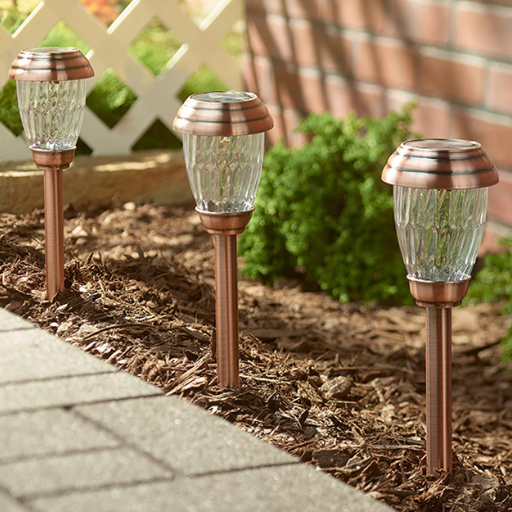
Selecting The Right Spot
Pick places in your yard that have access to direct sunlight for a good part of the day. Avoid shaded areas since these will negatively impact the charging and performance of the lights.
Planning The Layout
Formulate the path for the lighting in such a manner that it provides both balance and visual appeal. Identify where each light will be positioned using stakes or other markers.
Preparing The Ground
Remove any obstacles or debris, if applicable, and make sure the ground is compacted at the designated position to make it easy for the stakes to be inserted.
Assembling The Solar Lights
Make sure all parts of the assembly have been completed by following the instructions highlighted by the manufacturer. Conduct a final check to ensure all components are properly attached.
Installing The Lights
By the design that you carefully crafted, ensure the stakes provided are firmly aligned and positioned at the designated spots.
Conduct Testing and Activating
After a full day of charging, the lights should be turned on (if required) and subsequently checked at night. Post charging, if further changes need to be made, they can be done to improve the positioning of the lights.
Step-by-Step Guide to Installing Solar Pathway Lights
Ensure that every part of the solar lights is securely attached during assembly by the manufacturer’s instructions.
Install the Lights
Carefully position the stakes in the alignments you marked on the ground, making sure they are pushed deep enough to remain standing. The lights should be spaced 6-8 feet apart, which is the recommended distance to maximize illumination from the lights. Modify the distance based on the radius of brightness and coverage area projected by your solar lights.
Activate and Test
After a full day’s charge, turn the lights on and test them at night to check whether adjustments in placement are needed. Most recent models of solar lights need 6-8 hours of direct sunlight to achieve a full charge, which varies depending on the battery’s internal capacity. Remember that shadows from nearby objects such as trees or buildings can impact the solar panel’s efficiency.
Ensure Long-Term Performance
To sustain the efficiency of the solar pathway lights, the solar panels need to be free of dust, dirt, and debris. Blocked solar panels result in lowered efficiency and charging capability. Also, check for overgrown vegetation that could obstruct the beam of sunlight and readjust the lights if necessary.
Evaluate Climate Conditions
Weather changes can affect the performance of solar lights. While weather considerations do not seem to be a major concern, factors like extremely heavy snow, rain, or prolonged rain can impact the functionality. Some models are better equipped than others with waterproof ratings such as IP65, which signifies that the device can resist water damage. If winters are more severe, try taking out the lights during winter or make sure the panels placed on them have the ability to shed snow easily perpendicular to the light.
Monitor Battery Health
The lifespan of electric components in lights differs with climate and usage. Rechargeable batteries, solar or otherwise, will most likely need replacing after an extended loss. Depending on usage and conditions, lithium-ion and NiMH batteries last somewhere between 1 and 2 years. To keep getting the very best performance from the light, follow the manufacturer’s guidelines set for compatible models.
The comprehensive steps provided above should help you maintain your pathway lights, ensuring they are fully functional and do not lose any features for a long period. The pathway can be placed wherever the users prefer and with proper care, they can make the outdoor part attractive.
Best Practices for Solar Pathway Light Placement
Following proper placement techniques for solar pathway lights guarantees optimized performance, aesthetic beauty, and lifespan. Below are some tips on installing lights based on the most recent findings.
Obtain the Most Sun Exposure
Practical solar pathway lights need unobstructed areas to receive direct sunlight. Install the lights where nothing like structures, shrubs, or trees will cast permanent shadows. In the opinion of leading energy experts, solar panels need a bare minimum of 6-8 hours of uninterrupted sunlight for great functioning and powering the lights throughout the night.
Spacing for Uniform Illumination
Placement of the solar lights should follow a rhythmic order to provide maximum appeal and usefulness along pathways. In terms of best practices, experts suggest setting the solar lights at an interval of 6-8 feet so that there is enough illumination for everyone with no dark patches.
Avoid areas with Dampness or Flooding
The leading solar pathway lights are usually resistant to a good amount of weather, but standing water and dampness can result in damage over time. Keeping the lights at an elevated position or in places with good drainage will help protect the batteries and circuitry.
Think of the Color Temperature and Intensity of the Lighting
The light emitted from the sun or solar-powered light usually ranges between 2700K to 6500 K. Remember that warm lighting of a lower value adds an inviting feel to the place while cooler tones provide increased brightness for better functionality and security.
Remember to Clean the Light Fixtures and Adjust the Orientation
Dust buildup can decrease the efficiency of solar-powered lights. Be sure to clean the solar panel with a damp cloth periodically. Also, their positioning changes with outdoor layout changes, so ensure they receive optimal exposure during peak sunlight hours.
Adjust the Lights Placed at Night and Make Ideal Placements
Before the ideal placements are fixed, carry out a test run at night using the desired placements. This aids you in evaluating the coverage, brightness, and level of shadow created, enabling you to fine-tune steps for better placements later on.
Following the above set of instructions will enhance the beauty of the outdoors while improving the performance of the solar pathway lights. Merging technical and aesthetic pre-implementation considerations guarantees the entire place looks warm and inviting for the years to come.
Maintenance Tips for Long-Lasting Solar Outdoor Lights
Conducting routine maintenance on your solar outdoor lights will ensure that they last as long as possible while operating at maximum capacity. Heed the following suggestions to maintain your lights:
Wipe Solar Panels Clean Regularly
Dirt and other particles can get stuck on top of the solar panels, preventing sunlight from flowing through and therefore making energy collection less efficient. You should soft clean the panels every month, or more if you live in a dusty, polluted place, with a soft and slightly wet cloth. According to numerous industry studies, even a small coating of dirt can reduce the solar panel’s efficiency by as much as 20%.
Replace And Check The Batteries
Rechargeable batteries usually last between one to three years, after which they are deemed unusable. To check if the batteries are still working properly, observe the brightness levels and how long the lights last. To achieve the best results, rechargeable outdoor batteries should be used.
Check For Water Damage
A lot of solar lights are advertised to be waterproof, but this does not make them immune to water damage during heavy showers or snowfall. The casing, seals, and joints should be checked for any potential water leakage. If there is fogging or any moisture is spotted in the housing of the light, be sure to dry it completely and replace it.
Sunlight Positioning is Necessary
As your landscape evolves with growing trees or new structures, the area surrounding your solar lights might get blocked. Regularly check the placement of the lights to verify that the lights can get optimal sunlight of 6-8 hours a day.
Polishing of LED Bulbs and Cleaning the Cover
To help maintain the brightness of LEDs, it is crucial to check the cover and LED bulbs to see if dirt is present. Cleaning the LED does make a difference, but if the LEDs do not brighten after cleaning, they might need replacement, as they have a lifespan of approximately 10,000 hours.
Adhere to Removing Snow or Ice
Snow, leaves, ice and other substances can cover the lights during the winter or fall months. These substances should be immediately removed to regain efficiency. Research shows and proves that minor obstructions can drastically reduce the efficiency of solar lights.
Covering the lights during extreme cold, heat, or storms can prevent potential damage to the solar lights. The solar lights should be stored inside when the weather is severe.
Following the above tips will help in gaining maximum efficiency from your solar outdoor lights. Observed care ensures that the lights installed continue to beautify the outdoor area instead of being useless throughout the year.
Are Solar Pathway Lights Suitable for All Weather Conditions?
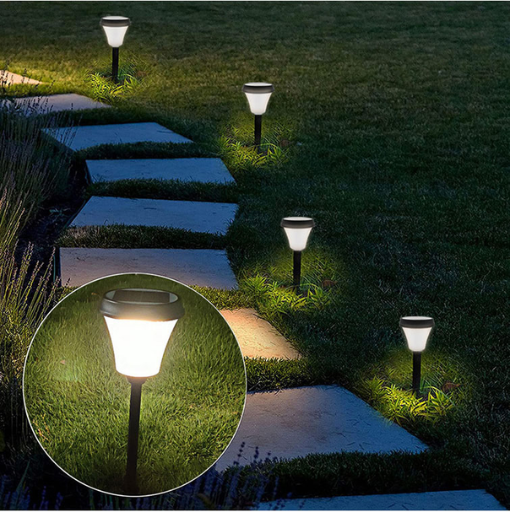
We can utilize the tested and optimized solar pathway lights that can truly withstand rain, snow, and even harsh sunlight. However, all these depend on the quality of light and the intensity of the weather. Such solar lights, which are of high quality, have better resistance to bad weather, but extreme conditions make sure to cause damage such as heavy storms, long freezing temperatures or intense heat. So as to ensure robust performance during all seasons, choose tools with sturdy construction markings of IP65.
Performance of Solar Pathway Lights in Different Climates
The installation location’s climate affects how well solar pathway lights perform. As with any technology, they have their weaknesses; in this case, the absence of sunlight, temperature shifts, and humidity can impact durability and efficiency. Based on quantitative data, here’s how solar pathway lights operate under different climates.
1. Hot and Dry Weather
Like parts of the world that have deserts in them, planets with hot and dry weather are perfect for solar pathway lights and can expect the best performance from their devices. The location usually has enough sunlight which means solar panels can get ample charging during the day. In such areas, there is always high sunlight and warmer places, meaning long-lasting light and abundant energy during the nights. Unfortunately, very high temperatures in those places tend to accelerate the depreciation of some battery parts. It’s smart to use lights that have high-quality lithium-ion batteries and heat-resistant materials.
2. Temperate Regions
Solar Pathway Lights function with the use of solar energy. That said, the wide range of these areas acts as an abundance of them, allowing for perfect conditions for these lights. Moderate solar energy means routine charging, while mild temperatures mean the components experience pretty much no strain. Usually, IP65 IP65-rated designs are more than enough to survive seasonal or snowy.
3. Areas with Cloudy or Rainy Weather
Coastal land features and tropical rainforest regions with nearly persistent cloud cover or torrential rainfall pose a problem for solar lights. Their limited access to sunlight decreases charging ability, reducing the output. Contemporary technologies, such as modern solar panels, work better in dim light and can still charge at least partially on overcast days. In addition, the selection of lights with strong, water-resistant plastics could prevent moisture damage.
4. Areas where it is Cold and Snowing
In regions where it is cold and snowing, solar pathway lights are more problematic due to a lack of daylight, as well as the possibility of snow covering the solar panels. Every solar-powered light comes with a battery that has extremely low efficiency in freezing temperatures. Lights with superior solar technology, like anti-reflective coatings on the panels, and cold-weather batteries intended for use in sub-zero conditions, are more suitable for these environments.
5. Areas that Are Hot And Humid
Tropical regions experience a combination of extreme heat and high humidity, which can result in corrosion and the breakdown of batteries. It’s best to buy solar lights made from rust-resistant stainless steel or aluminum. Also, proper ventilation will prevent overheating, aiding the solar lights in these extreme conditions.
Worldwide Information and Data Trends
Research indicates that solar lighting is 30-50% less efficient in regions with long periods of cloudy weather than in sunny areas.
Data from manufacturers in 2022 showed that certain models of solar lights have an average lifespan of 3-5 years in tropical climates, while in temperate regions, they extend up to 7 years with proper upkeep.
Improvements in the functionality of multi-day reserve battery backups and sun-activated brightness adjustment smart sensors were shown to reach up to 40% in more challenging climates.
Users can ensure optimal performance and longevity of solar pathway lights by considering the unique features tailored to the specific environmental conditions. That is, by understanding how the climate impacts the device.
Durability and Longevity of Outdoor Solar Lights
Thanks to advancements in materials and technology, outdoor solar lights can withstand various environmental conditions. Prolonged exposure to rain, snow, and UV radiation is easily withstood by high-quality solar lights, which utilize durable materials like corrosion-resistant aluminum, weatherproof plastic, or tempered glass. Many manufacturers also furnish lights with IP65 and higher waterproof classifications, thus guaranteeing protection from torrential rain and dust.
The components and maintenance routines of outdoor solar lights directly affect their lifespan. On average, outdoor solar lights range from 3 to 7 years. The lithium-ion or LiFePO4 batteries in modern solar lights typically last for 1,000 to 2,000 charge cycles, equating to around 3 to 5 years of daily use. With some battery management, the life of solar lights can be increased.
The latest industry reports suggest that upgraded solar lights, enhanced with features like reinforced UV filters, can withstand intense sunlight for 30% longer. Moreover, the use of monocrystalline solar panels and MPPT (Maximum Power Point Tracking) charge controllers reinforces energy efficiency, allowing for optimal performance in low-light situations.
Users can enjoy decades of dependable lighting while minimizing their ecological footprint by choosing long-lasting solar lights and properly maintaining them, including cleaning the panels and replacing worn parts.
Using Solar Pathway Lights in Dusk to Dawn Settings
Solar driveway lights with dusk-to-dawn settings come equipped with the latest technologies that improve their efficiency and ease of use. Their solar panels charge their batteries during the day, so they automatically supply light during the evenings. Other features that have been added recently include motion detectors, which maximize energy savings while still allowing for sufficient illumination.
Modern dusk-to-dawn solar lights use Lithium-ion or lithium-iron phosphate (LiFePO4) batteries, as these are the most dependable and durable. Studies suggest that these types of batteries currently have an average lifespan of 4–6 years with minimum maintenance and optimal environmental conditions, making them less prone to replacement too often.
Moreover, high-efficiency LEDs have long been the light of choice for solar pathway lights since they require less energy to operate while providing brighter illumination. Studies indicate that LEDs utilize approximately 75% less energy than incandescent bulbs and have much longer lifespans, often exceeding 25,000 hours.
Stainless steel, ABS plastic, and tempered glass are a few of the materials that make these outdoor lights self-durable. This allows them to be used all year round. Furthermore, their IP grades range between 65 to 67 which protects them from dust and water. This means the lights are reliable no matter where they are used.
Recent studies and consumer reviews demonstrate a wider adoption of smart solar lights which come with technology like remote controls and smartphone controls. This enables users to change the lighting times, monitor battery levels, and even change the brightness all from their devices.
Users can optimize the use of solar pathway lights from dusk to dawn by regularly cleaning the solar panels, enhancing efficient sun exposure, and ensuring the lights’ full self-durability, thus contributing to energy preservation and sustainable eco practices.
Reference Sources
- Student Experimental Farm SMART Pathway Lighting System
Explains the maintenance-free solar panel smart lighting pathway system, tailored for optimized energy use and flexibility.
- DC House SMART Pathway Lighting System
Investigate the use of solar-powered DC LED light bulbs for cost-effective pathway illumination.
- Motivation and Guided Complex Learning of Solar Geometry
Studies solar-bioreceptive responsive design, including its application in lighting and pathway energy-efficient systems.
Frequently Asked Questions (FAQs)
Q: What are solar pathway lights and how do they work?
A: Solar pathway lights are outdoor lights that use solar panels to convert sunlight into electricity, which is then stored in batteries to power LED bulbs. These lights automatically turn on at dusk and off at dawn, providing illumination without the need for electrical wiring.
Q: How do solar pathway lights compare to traditional outdoor lighting?
A: Solar pathway lights offer several advantages over traditional outdoor lighting, including energy efficiency, cost savings on electricity bills, and ease of installation. They are powered by renewable energy from the sun and require no electrical wiring, making them a convenient option for illuminating pathways, gardens, and yards.
Q: Are solar pathway lights waterproof and suitable for all weather conditions?
A: Yes, most solar pathway lights are designed to be waterproof and weather-resistant, making them suitable for outdoor use in various climates. It is important to check the product specifications to ensure they are rated for outdoor use and can withstand rain, snow, and temperature changes.
Q: How long do solar pathway lights typically last?
A: The lifespan of solar pathway lights can vary depending on the quality and brand. Generally, the LED bulbs can last up to 50,000 hours, while the rechargeable batteries may need replacing every 1-3 years. Regular maintenance, such as cleaning the solar panel, can help extend the lifespan of the lights.
Q: Can solar pathway lights be used in shaded areas?
A: Solar pathway lights require direct sunlight to charge effectively. While they can still work in partially shaded areas, their performance may be reduced. For optimal performance, place the solar panel in a location where it receives ample sunlight throughout the day.
Q: How bright are solar pathway lights, and do they come in different colors?
A: The brightness of solar pathway lights can vary based on the number and quality of LEDs used. Many models offer warm white light, which is softer and more inviting, while some offer other colors. When selecting lights, consider lumens as an indicator of brightness.
Q: Are there any specific installation tips for solar pathway lights?
A: Installation of solar pathway lights is generally straightforward. Ensure the solar panel is positioned to receive maximum sunlight, and avoid placing the lights in areas where they may be obstructed by plants or objects. Most models come with stakes for easy placement into the ground.
Q: How can I ensure my solar pathway lights are eco-friendly?
A: To ensure your solar pathway lights are eco-friendly, choose models that use efficient solar panels and LED technology. Look for lights made from sustainable materials and with recyclable components. Proper disposal of batteries is also important for environmental conservation.
Q: Do solar pathway lights require any maintenance?
A: While solar pathway lights require minimal maintenance, regular cleaning of the solar panel to remove dust and debris can improve performance. Additionally, checking and replacing batteries as needed will help maintain optimal functionality.


