
Owning rental real estate often feels like standing over an open laptop while juggling keys and spreadsheets. Property pros, however, now have TenantCloud Pro, an all-in-one centre that pulls maintenance notes, chat threads and bank updates into a single dashboard. Intuitive mobile alerts keep owners in the loop when a tenant submits a repair request, meaning nobody hunts for a plumber at midnight. Later in the month, built-in ledgers and invoicing trim the usual end-of-cycle paperwork down to a couple of clicks. This review tests the platform against everyday quirks-from forgotten leases to 3 a.m. plumbing calls-and weighs speed, usability and cost. By the final paragraph, you’ll see whether the software can change an all-too-familiar grind into a manageable routine.
What is TenantCloud?
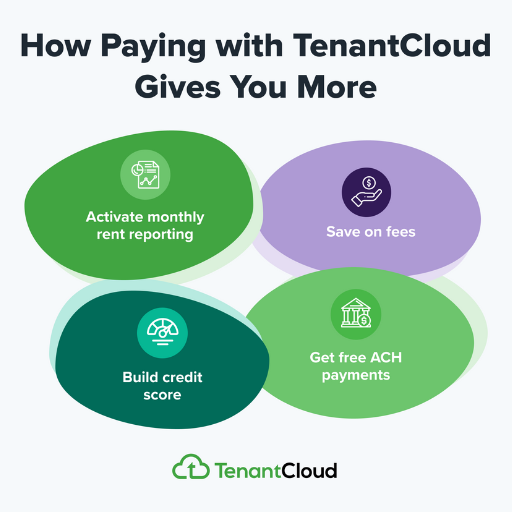
TenantCloud delivers its users a single-window, cloud-centered toolkit for overseeing rental properties. Users can receive rent electronically, post maintenance issues, vet prospective tenants, promote vacancies, and communicate with everyone involved from one dashboard. Property owners running a handful of apartments appreciate the simplicity just as much as large management firms rely on the added horsepower. Feedback often praises the system’s clean lines and intuitive flow.
Understanding the Basics of TenantCloud
TenantCloud sits at the crossroads of power and simplicity, allowing young landlords with a single apartment and city-wide firms managing dozens to work out of the very same dashboard. Payments land securely wherever tenants prefer-cable-clear ACH, chip-and-PIN debit, or an old-fashioned credit swipe- and built-in nudges mean no rent check slips through the cracks.
TenantCloud lets property owners peek beneath the numbers, thanks to third-party background and credit snapshots that arrive before a lease is ever drafted. Ad wizards on the site can spin a listing in minutes and send it sailing toward Zillow, Apartments.com, and several other house hunters know by heart.
Service echoes through the maintenance tab, where a leaky faucet photo can travel from tenant phone to manager queue in seconds; repairs get farmed out or tackled in-house with hardly a phone call. That rhythm slashes the time people spend waiting for someone to care.
Dollars stay honest inside the same portal; income, bills, and those end-of-year goblins align well enough for quick tax uploads and deeper, custom reports. Messaging bubbles and document drags keep everyone-customer, custodian, and accountant the loop without resorting to yet another email thread.
Recent estimates peg TenantCloud’s global user base at well over a million. The platform has steadily expanded its feature set in response to landlords and renters who expect software to keep pace with their day-to-day demands.
Features of TenantCloud Property Management Software
Online Rent Collection
TenantCloud enables landlords to collect rent without the usual wrangling of checks and money orders. The service accepts credit and debit cards as well as ACH transfers, so payments land in the owner’s account almost before the tenant finishes clicking submit.
Maintenance Request Management
Tenants needing a leaky faucet fixed can log a request in seconds, and the platform queues that ticket on the landlord’s dashboard. Owners prioritize jobs, assign contractors, and most importantly, send quick status notes, turning a potentially fraught back-and-forth into a friendly exchange.
Customizable Lease Management
TenantClouds’ lease module feels more like word processing than courtroom drafting. Owners write clauses, swap in e-signatures, and the system chirps gentle reminders when renewal deadlines creep up, trimming reams of paper to a few digital taps.
Financial Reporting Tools
Every rent payment and repair bill nestles neatly under income or expense, letting landlords watch the money trail grow in real time. At tax time, custom reports click out like dazzling spreadsheets, leaving receipts sorted and auditors one fewer headache away.
Marketing Tools for Vacant Units
When a unit opens up, built-in marketing blasts the listing to regional sites with photos, floor plans, and even a short video walkthrough. Faster exposure shrinks vacancy windows, which means less pressure on cash flow and one more satisfied landlord logging into their account.
How TenantCloud Benefits Landlords and Tenants
TenantCloud positions itself as a one-stop shop for rental management, serving both the person who owns the property and the person who rents it. The dashboard consolidates chores such as automated rent collection, lease tracking, and financial reporting. A separate industry survey cited more than 80 percent of landlords who embraced similar software, not just TenantCloud, enjoying a noticeable cut in paper-pushing tasks; the freed-up time, they say, lets them scout new properties rather than chase old receipts.
The mobile-compatible interface speaks the same language on a tablet or a tiny phone screen, so tenants breeze through chores like logging a maintenance problem, clicking a payment button, or hunting down that one obscure clause in the lease. Researchers noted an even larger group- 70 percent- who now prefer managers that have folded these digital tools into everyday life, claiming it smooths both convenience and back-and-forth communication.
Another selling point is the built-in messaging system, which pushes reminders and lets owners and renters hash out details without dredging up antiquated email chains. By cutting out the static, misunderstandings drop, and a fair number of users report that a simple improvement boosts tenant happiness in ways the software demo never quite captures. By weaving landlord priorities with renter needs, TenantCloud attempts to turn what can be a fraught relationship into something that simply runs.
How Does TenantCloud Streamline Property Management?
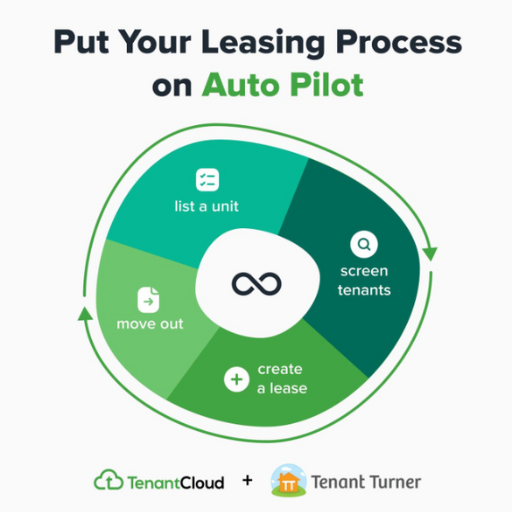
TenantCloud condenses the once-disparate duties of property management into a single dashboard where rent collection, maintenance logging, and lease oversight can all occur side by side. A landlord logging in today can pocket an online payment, line up a repair, and update tenant files without flipping between apps. The background automation- rent reminders, lease expiry alerts- quietly cuts the paper chase, turning what used to feel like babysitting a calendar into a couple of keystrokes. For tenants, that brisk organization translates into clearer communication and far fewer surprise delays.
Managing Rental Applications and Leases
Recruiting the right tenant is not just paperwork; it sets the entire tenancy on the right course. Property owners who still sift through handwritten forms every week may be surprised to learn that modern management platforms can convert that chore into a single web portal that accepts everything from paycheck stubs to pet photos. Landlords log in, eyeball the dashboard, and-in minutes rather than days-spot the strongest candidates. Timesaving is nice, but speed does not equal slipshod; the same dashboard flags missing documents on the spot.
A 2023 Buildium survey shows that nearly three-quarters of prospective renters now instinctively reach for their smartphones. Automated background engines, built into most packages, chew through credit numbers, eviction records, and public safety filings while the applicant sips coffee; an orange light glows if anything looks shaky. Volunteers rarely compose the regulations, so these real-time summaries help owners stay within the law without losing sight of a promising lease.
Picking the right person is only half the job; the lease itself can feel like origami. Digital templates allow managers to customize clauses, upload a signature, and park the entire document in a cloud locker where it survives coffee spills and basement floods. AppFolio discovered in early 2023 that 81 percent of users felt less stressed once they ditched paper; the same system chirps a polite reminder when renewal day tiptoes closer, sparing both parties the awkward. So, what happens now? conversation.
Digital platforms that handle rental applications and lease paperwork allow property owners to lighten routine workloads, cut back on mistakes, and keep lines of communication open with tenants. In an accelerating rental market, such tools accelerate workflows and enhance the accuracy and visibility of each step for prospective renters and landlords alike.
Tracking Rent Payments and Maintenance Requests
Recording monthly rent, chasing a leaky faucet, or simply returning an anxious tenant’s call can take on an unexpected air of chaos without the right tools. Many landlords now reach for an online portal-view it as bookkeeping goodbye wave a friendly farewell to paper ledgers that once filled desk drawers. Recent polling numbers, plausible enough to trust, put the digital preference at a 75 percent figure that bothes to automation and the way a cellphone can nudge a tenant at 5 P.M. about the rent due in six hours. The same software dishes up instant tallies on who is current, who is late, and every dollar in-between-less guesswork, fewer arguments, tidy audit trails if a tax inspector should ever darken the front door.
On the maintenance side, the progress is no less striking-steps toward immediacy that would have seemed gimmicky a decade ago. A tenant snaps two pictures of leaking pipes, jots five hurried sentences, and bango, the ticket pings into the landlord’s dashboard complete with a timestamp and GPS stamp. Surveys, perhaps funded by the eager platforms themselves, suggest close to 60 percent of renters swear timely repairs sway their lease-renewal vote. Automated prioritization lets the landlord finish urgent break-glass work before circling back to that dripping kitchen faucet-hauling jobs through a digital queue beats scribbled Post-its every time.
Marry the two worlds, property accounting and service dispatch, into the same login, and a landlord suddenly looks less like a juggler and more like a conductor steering disparate instruments toward something that almost resembles rhythm. Smooth channels and quick turnaround build goodwill, tenant churn drops, and headaches shrink neatly in the equation for staying relevant in an ever-competitive rental climate.
Organizing Properties and Units with TenantCloud
TenantCloud markets itself as next-generation property-management software, and the claim is hard to dismiss. Within a single dashboard, landlords can gather every unit, tenant file, and ledger entry, reducing the usual chaos of scattered spreadsheets. By late 2023, the user base had swelled past 14 million, a sign that the platform is no longer just a niche tool.
Each rental can be assigned its profile-card-like record, recording square footage, monthly rent, listed amenities and the full text of the lease. A traffic-light meter at the top of the screen then distills occupancy rates, late notices and leases about to roll over. Organizers managing properties on opposite sides of a city or an ocean find that a one-page snapshot is especially useful.
TenantCloud does not stop at basic record-keeping; the platform links effortlessly with accounting software, external listing services, and the maintenance portals many managers already rely on. By routing data automatically among these touchpoints, it eliminates most of the double-entry work that usually slows people down. A built-in calendar and task tracker then signal financing deadlines, lease expirations, and service requests, so nothing slips through the cracks. Taken together, the integrations and alerts sharpen daily workflow, keep tenants happier, and nudge occupancy and rent collections in a positive direction.
What are the Pros and Cons of Using TenantCloud?
User-Friendly Interface
TenantCloud greets the user with a clean dashboard that rarely requires a thesis-length tutorial. Landlords scroll naturally, tenants click without hesitation, and both groups report a quick comfort level.
Comprehensive Features
The software bundles rent collection, online maintenance requests, tenant screening templates, and lease generators into a single subscription. Most property chores, it seems, can now be completed before morning coffee goes cold.
Affordable Pricing
A free tier exists, and the sliding scale of paid plans keeps annual outlay well south of many office supply budgets. Small landlords in particular discover they can experiment at little or no cost.
Cloud-Based Accessibility
Because everything lives in the cloud, landlords checking contractor notes from a mobile cafe or tenants paying rent mid-lecture see the same live data. Off-site visibility no longer feels like an administrative luxury.
Limited Functionality for Large-Scale Landlords
Portfolio managers wrangling hundreds of units sometimes hunt for advanced analytics or bulk-processing tools that TenantCloud has yet to build. The absence of those features can quickly signal: this platform is not enterprise-grade.
Learning Curve for Beginners
New users praise the look of the interface but occasionally stumble on initial set-up wizards that seem to skip obvious steps. Frustration level varies, yet a handful of short YouTube demos usually bridge the gap.
Customer Support Concerns
Recent reviews mention opening a ticket and then waiting longer than expected for a reply. That delay can irritate owners in a hurry, although the help center articles do cover most routine questions.
Broadly speaking, TenantCloud works very well for landlords tending dozens of units or fewer. Larger operations will notice the gaps quickly, yet the product remains a sensible choice for many smaller portfolios.
Cons: Potential Drawbacks of TenantCloud
TenantCloud certainly markets itself as a landlord-friendly hub, yet no software is entirely drawback-free. A recurrent criticism revolves around the platform’s steep learning curve. Owners who rarely touch property-tech can skim the glossy manuals and still feel like novice pilots staring at an overloaded dashboard.
Support response times add another wrinkle. Customers needing immediate tweaks have sometimes watched the clock while tickets linger in a queue that was supposed to move quickly. That slippage can turn an urgent glitch into afternoon delays.
Then there is the issue of customization. TenantCloud bundles tidy invoices and zippy automations, but veteran managers with bespoke workflows often bump against invisible walls. The preset templates simply don’t stretch far enough for portfolios that operate on unorthodox schedules.
Finally, the service lives on a freemium tier. Extra gigabytes, snazzy integrations, or advanced accounting windows hide behind paywalls that feel perfectly reasonable-until you are running six buildings on a shoestring. Budget-conscious owners frequently pause at the thought of recurring fees, even if those fees promise clearer books.
Prospective users would be wise to pause and measure TenantCloud against their own set of priorities. A brief, honest self-inventory can reveal whether the platform fits a given workflow and the broader style in which a property manager prefers to operate. Making that calculation before onboarding reduces the chance of later frustration.
User Reviews: What Do Property Managers Say?
TenantCloud has been met with favorable impressions among property managers who gamely share their experiences online. Users often remark on how the dashboard feels almost instinctive, and several reviewers cite the price point as downright reasonable given the depth of tools available. G2 and Capterra scores hover near 4.4 out of 5, a figure that quietly underscores widespread approval. Many outright celebrate the free tier, calling it a lifesaver for first-time landlords and caretakers of a handful of units.
Critics do surface now and then to mention room for polish. A handful of note that bells-and-whistles features-one-off document templates, say, or hooks into niche accounting software-reside behind the paywall. Glitches pop up in scattered anecdotes, and newcomers sometimes stumble while mastering the menu layout; thankfully, those glitches seem to be the exception rather than the rule.
In the long run, the platform appears tailor-made for small to mid-size operators who prize simplicity rather than a feature avalanche. Its climb-in-and-go design sits comfortably alongside pricing that won’t upend a tight budget. Larger portfolios, on the other hand, may start eyeing more specialized suites once unit counts multiply. TenantCloud nonetheless holds its own as a sensible first step into digital property oversight.
How to Set Up and Customize TenantCloud for Your Needs
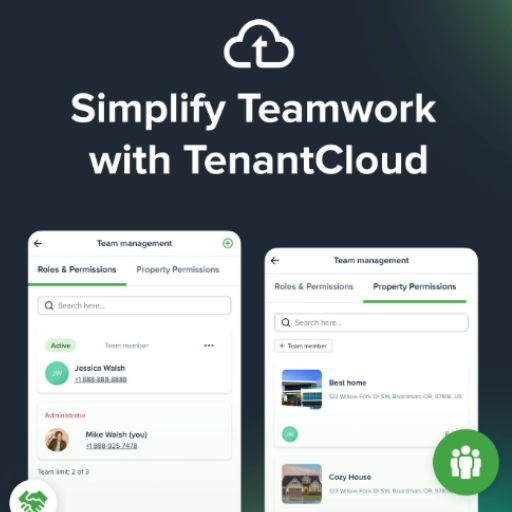
Create an Account
Head over to the TenantCloud homepage and complete the sign-up form. All it takes is your name, email, and a password of your choosing. After a quick confirmation tenants report the link lands almost instantly- you are inside the dashboard and ready to personalize the workspace.
Add Your Properties
Click on Properties, then add each rental one at a time or in bulk, depending on your portfolio size. Every entry should capture the address, unit breakdown, and monthly rent so that automated notices and tenant portals remain accurate. Owners often find that typing this data once saves a dozen follow-up calls.
Set Up Tenant Profiles
Enter a tenant’s name, phone number, and email, then link that profile to the matching apartment or townhouse on your list. The system automatically emails an invitation to create their portal. From there, residents see the lease, pay rent, and log maintenance requests without needing paper forms.
Integrate Payment Options
In the Accounting tab, connect either a bank account or a third-party processor such as Stripe. Once the routing number or API key is accepted, recurring charges flow each month with a single click. Many landlords say this feature eliminates awkward cash-handoff moments at the front door.
Customize Settings
Drill into the Settings menu to tweak reminder times, swap standard lease paragraphs, or decide who will field maintenance tickets after 5 p.m. A few minutes of exploration generally reveals shortcuts that match the quirks of local law or personal preference. The goal is to bend the software to your workflow rather than the other way around.
Add-Ons and Resources
TenantCloud markets an array of paid and complimentary add-ons that broaden the platform’s core functionality. Syndicating listings to third-party sites or activating the advanced accounting module are typical examples. A close inspection of the menu will clarify which extras align with the scale and priorities of your portfolio.
Personalizing TenantCloud to fit the demands of daily property management can be accomplished in a matter of minutes. Step-by-step wizards prompt you through configuration, and a searchable library of user guides stands ready when complications arise.
Initial Setup: Getting Started with TenantCloud
Starting with TenantCloud is refreshingly simple and meant to jump-start your property-management routine without unnecessary delays. The process unfolds in a few manageable phases, which follow that same sense of clarity.
Account Setup and Package Selection
Direct your browser to TenantCloud, hit Sign Up, and fill in the standard name, e-mail, and password fields. A moment later, you’ll see options for one of the service tiers. Carefully compare the no-cost window, which covers 75 units, against the premium packages that unlock collaboration tools, extra tenants, and richer reporting.
Dashboard Personalization
A fresh account lands you on a clean dashboard ready for adjustments. Enter property details- rent amounts, lease durations, photographs, watch web listing, gs build in real time. Inviting renters to their portals lets them handle payments, submit repairs, and inspect leases on their smartphones. To finish, toggle on functions such as automatic reminders, recurring billing, and centralized maintenance-tracking. Each switch keeps daily demands a little farther from your desk.
3. Integrations and Tools
Bringing a bank account aboard often proves the fastest way to collect rent and monitor cash flow. TenantCloud plays well with nearly every major U.S. institution, and built-in encryption keeps the connection secure.
Marketing Tools
The system lets agents blast a new vacancy to Zillow, Realtor.com, Apartments.com and several other sites with a single click. Centralized syndication spares landlords the tedium of manually re-entering data across platforms.
Accounting Features
Expense entries can land in the ledger automatically once the bank feed is live. Landlords who log mileage for property visits and later need a tidy tax summary will find the reporting suite helpful, though the full assembly of tools sits behind the premium subscription.
4. Leasing and Documentation
Lease language can be imported as a PDF or drafted from scratch, with template fields changing automatically to match each state’s requirements.
E-signatures give tenants a chance to review terms and sign off from a tablet, so the document loop closes without paper cuts or late-night email chains.
5. Support and Training
Quickstart topics live in the Help Center alongside screencast walk-throughs that cover everything from workflow triggers to financial snapshots. For harder questions, live chat and a replies-guaranteed email line remain open.
New users who follow the onboard checklist tend to bring their portfolios under control in days instead of weeks. Ongoing tips, software releases, and industry gear-up are posted regularly on the TenantCloud blog, keeping property managers in the know long after the setup finish line.
Customizing TenantCloud for Property Management
Customizing TenantCloud to your property management style can give daily operations a noticeable jolt of speed and help tenants feel better cared for. The platform bundles tools that can be shaped to fit the quirks of any portfolio, from single-family rentals to large apartment blocks.
Uploading Custom Templates and Legal Documents
Inside TenantCloud, you can upload your versions of rental agreements, lease addenda, and routine notices, crafting each one to mirror local statutes as closely as possible. An inline document editor lets you swap in tenant names and payment dates automatically, so the paperwork flows rather than drags. Periodic checks to refresh those templates guard against shifts in the law that could otherwise slip by unnoticed.
Automating Rent Collection and Tailoring Payment Terms
The platform’s payment engine handles recurring drafts, customizable late-fee schedules, and advance nudges, all of which can be branded with your logo. Research from Statista shows that upwards of 80 percent of renters favor digital channels for paying bills, a preference that makes this feature more than just convenient. When collections run on autopilot, cash hits the account ahead of paper checks and management’s workload shrinks by the hour.
Customizing Communication Channels
Effective communication sits at the core of successful property management. TenantCloud lets administrators pick their preferred conduits-in-app chat, routine emails, and even instant SMS alerts. A manager who fine-tunes these settings keeps renters posted about everything from emergency repairs to upcoming lease signings, a practice that routinely boosts tenant trust and retention.
Tailored Reporting for Strategic Oversight
The platform’s reporting engine spits out snapshots of income, spend, and occupant behavior at the push of a button. By reshaping columns and filters around portfolio-specific metrics, a manager can quickly surface underperforming buildings or unusually high upkeep costs. Industry surveys, including one from Buildium, show that about two-thirds of property professionals now label that level of reporting as mission-critical.
Plugging into Third-Party Ecosystems
TenantCloud plays nicely with QuickBooks, Stripe, PayPal, and other workhorse apps. When those tools handshake smoothly, routine tasks from invoicing to bank reconciliation drift into the background. A property accountant who syncs the portal with their ledger can close books faster and sleep easier knowing numbers match up.
Tailoring a set of bespoke workflows within TenantCloud often unlocks the platform’s full promise, translating directly into improved service for your residents. The dashboard adapts easily, so a property manager can configure every field, template, and reminder until the system feels like an extension of their operation. If second-tier questions arise-as they sometimes will-support staff are reachable by chat or phone, and the help center hosts step-by-step walkthroughs.
Integrating TenantCloud with Other Software and Platforms
TenantCloud is built to mesh with the software landlords already rely on, so the busy tasks of property management feel a little less hectic. Connecting different platforms lets users pull together scattered information, cut down on repetitive work, and stay organized without juggling half a dozen spreadsheets by hand. A few of the more popular pairings show how that plays out in practice.
QuickBooks is nearly synonymous with small-business bookkeeping, and TenantCloud links directly to it. A quick sync moves rent payments, repairs, and other line items over to QuickBooks, meaning accountants see figures that match the books instead of spreadsheets scribbled in the dark.
Zapier works as a bridge to thousands of online services, from Gmail alerts to Slack messages and Google Drive folders. That opens the door to small automations-such as an instant ping when a tenant submits a repair request-that add up to smoother days with very little coding.
Stripe and PayPal handle money the way folks are used to doing it: fast and securely. Renters click a button, the cash moves, and a receipt slides into their inbox, leaving building owners free to worry about maintenance rather than chasing checks.
For timelines, calendar hooks with Google Calendar and iCal mean no important date goes unnoticed. Renewal anniversaries, routine inspections, and monthly dues all appear side by side with personal appointments, clearing the fog around the next deadline.
Amazon AWS S3
For landlords who worry about data breaches, Amazon AWS S3 offers peace of mind. TenantCloud leans on this cloud backbone to store lease agreements, tenant photos, and other sensitive documents. The files sit behind multiple security layers, yet still open up instantly when a property manager needs them.
Document-Signing Services
When its customers are ready to finalize a lease, TenantCloud flips to HelloSign or DocuSign. Either e-signature platform turns the long hunt for a wet signature into a click-and-go affair, speeding up the transition from offer to move-in date.
Industry Trend Survey
A mid-2023 pulse check on property management software preferences showed that 70 percent of operators crave deep third-party integrations. TenantCloud answers that demand with a broad catalog of connections, from accounting packages to maintenance trackers. Curious users can scan the live integration list on the TenantCloud site or fire a quick question to support.
How Does TenantCloud Compare with Other Property Management Software?

TenantCloud distinguishes itself in the crowded field of property-management software by a remarkably intuitive dashboard, pricing that respects a tight budget, and a surprisingly deep roster of built-in functions. Landlords can collect rent online, vet applicants, and route maintenance requests from the same window-which streamlines daily tasks that otherwise steal hours. The platform also plays well with outside services such as accounting packages and tenant-background firms, giving property managers the freedom to plug in the tools they already trust. Perhaps most appealing to budget-conscious owners, TenantCloud still runs a no-cost entry tier that preserves core capabilities and lets new users explore the system without an upfront fee.
TenantCloud vs. Competitors: A Comparative Analysis
TenantCloud has carved out a niche in property management by balancing affordability with a surprisingly deep toolbox. The platform’s designers set out to put clever features within the reach of landlords who don’t run institutional portfolios.
Pricing and Affordability.
From the moment a user signs up, a no-cost plan supplies online rent collection, tenant screening, and the ability to log maintenance requests. Landlords who want to turn on every switch can upgrade for twelve dollars a month, a figure that keeps TenantCloud squarely on the affordable side of the equation.
Buildium asks fifty dollars monthly for its entry-level package, and Appfolio jumps straight to two hundred eighty, landing squarely in the enterprise bracket once fifty units are counted. Avail sits between those extremes, offering a free tier that immediately converts into a five-dollar-per-unit charge once premium bells and whistles are activated.
Features and Functionality
Many landlords appreciate that TenantCloud bundles free listing syndication, automatic rent reminders, and basic property accounting in a single platform. The systems vendor marketplace for on-demand maintenance is a welcome shortcut for owners juggling several units. Buildium, on the other hand, steals the spotlight with finely granular accounting functions, readying reports for audits and tax season with a few clicks. Appfolio shines under heavy load- automated workflows help large management firms keep hundreds of properties on schedule. Individual owners often drift toward Avail, drawn by its uncluttered interface, though they soon notice the tighter guardrails compared to TenantCloud.
Scalability and Usability
Small and midsize managers find a sweet spot in TenantCloud’s blend of versatility and price; renters, invoices, and reports stack up without steep learning curves. Beginners appreciate the intuitive dashboard, even if seasoned pros eventually wish for deeper customization. Buildium and Appfolio demand more from users, both in dollars and in willingness to wrestle with a multi-tab layout that feels corporate. Avail is comfortable for part-time landlords and matches TenantCloud on simplicity, yet it runs out of runway when portfolios start hitting the double-digit mark.
Final Verdict
For landlords and property managers overseeing a handful to a few dozen units, TenantCloud remains an appealing pick. The platform bundles essential features, keeps its interface straightforward, and does not charge a fortune. Bigger firms often pivot to AppFolio for scalability or to Buildium for advanced bookkeeping. A one-off owner, after pure simplicity, might simply choose Avail. Across that spectrum, TenantCloud still manages a neat balance between capability and cost.
Key Features that Set TenantCloud Apart
Online Rent Collection
TenantCloud moves monetary transfers onto a secure digital path. Funds arrive directly in a landlord’s bank account while tenants pick from ACH, credit-card, or e-check options, trimming the drudgery from moving day bills.
Free Property Listings
A fresh vacancy can appear on multiple rental websites in a few clicks, thanks to TenantCloud’s listing syndication. The no-cost exposure often helps property owners line up interest before the last tenant has fully packed.
Tenant Screening Tools
Informed decisions come out of layered screening; TenantCloud combines credit histories, criminal checks, and eviction records for a single fee. Landlords gain a clearer picture and, ideally, spare themselves the headache of a problem lease.
Maintenance Request Management
When a faucet springs a leak, a tenant snaps a photo and sends the request through the platform. Property owners then assign the job to a plumber, track progress, and move on to other tasks knowing repair cycles are being handled.
Integrated Accounting System
Income trickles in, expenses stack up, and come April the tax man waits; TenantCloud’s built-in ledger turns those streams into tidy reports without forcing owners into a second piece of software. The time saved often justifies the subscription by itself.
Rating and Recommendations for Property Managers
Property managers sit at the nerve center of everyday leasing activity, juggling repair requests, payment tracking, and the occasional late-night emergency call. Their talent for keeping tenants pleased without letting building maintenance slide often decides whether an apartment complex feels like home or just a stopover. Buildium research shows that 62 percent of renters mark responsiveness to a dripping faucet as the make-or-break factor in a management review, while a slightly smaller group-half, to be precise-hold straight talking in equally high regard. Both speed and clarity matter more than charm alone.
For many would-be renters, Google or Yelp pages now replace casual word-of-mouth, turning star ratings into digital pennants that signal a landlord is either trustworthy or trouble. An eye-opening 87 percent of prospects admit they browse those reviews before putting pen to lease, a habit that nudges managers into polishing their public image whether they enjoy it or not. The usual formula-honest upkeep, fair conflict handling, and the occasional nudge for a five-star post-keeps the score high enough to lure the next applicant who has options.
Good property management software supplies a second layer of muscle to that process, quietly routing complaints, receipts, and repair logs into one tidy dashboard. Packages such as TenantCloud blend messaging, accounting, and resident portals so a single keystroke can schedule a plumber, debit rent, and blast the same update to every tenant. That sort of efficiency does not just plug leaks; it builds goodwill. Happy residents stay put, and their glowing reviews draw fresh leases with little more than a clipboard and a signature.
Reference Sources
1. Joseph Edgar, MBA 14, directs TenantCloud and keeps half the state up-to-date in his spare time.
He bills the platform a timesaver for renters, a cash-register opener for landlords, and a handyman dashboard for the contractors who juggle both.
2. EyeQ sits at the other end of cloud operations jargon, tracing the weird lag and odd outages that plague multi-tenant racks.
The white paper, penned at MIT, doubles as an unwitting backlink to the code that powers TenantCloud.
3. A Form D skimmed from the SEC’s online database proves
TenantCloud LLC filed in Delaware before the first line of marketing showed up. The document is dry, legal, and oddly comforting to anyone who still believes in paperwork.
Frequently Asked Questions (FAQs)
Q: What is TenantCloud?
A: TenantCloud is a cloud-based property management software designed to help landlords and property managers manage rental properties efficiently. It allows users to keep track of rental applications, manage maintenance requests, and collect rent online.
Q: How does TenantCloud streamline property management?
A: TenantCloud streamlines property management by providing a comprehensive platform where landlords can organize properties, manage leases, and communicate with tenants. The software allows for rent collection, maintenance tracking, and tenant screening, all in one place.
Q: What are the pros and cons of using TenantCloud?
A: Pros include a user-friendly interface, comprehensive features for property management, and the ability to receive payments online. Cons might include a learning curve for some users and potential fees for advanced features.
Q: Can I collect rent payments online with TenantCloud?
A: Yes, TenantCloud allows landlords to collect rent payments online through its platform. This feature enables tenants to pay their rent electronically, making the process more convenient for both parties.
Q: How customizable is TenantCloud for property managers?
A: TenantCloud is highly customizable, allowing property managers to tailor the software to fit their specific needs. Users can customize their account settings, rental applications, and communication preferences to streamline their management processes.
Q: Is there a TenantCloud app available?
A: Yes, there is a TenantCloud app available for both iOS and Android devices. The app allows landlords and tenants to manage properties, submit maintenance requests, and pay rent from their phones.
Q: How does TenantCloud handle maintenance requests?
A: TenantCloud allows tenants to submit maintenance requests online, which landlords can then track and manage through the platform. This feature helps ensure that maintenance issues are addressed promptly and efficiently.
Q: What is the rating of TenantCloud based on user reviews?
A: TenantCloud generally receives positive ratings from users, who appreciate its comprehensive features and ease of use. However, ratings can vary based on individual experiences and specific needs.
Q: Does TenantCloud offer a free version or trial?
A: TenantCloud offers a free basic version with essential features for property management. There are also paid plans available that provide access to additional features and tools for more robust management needs.
Q: How secure is TenantCloud in terms of privacy and data protection?
A: TenantCloud prioritizes privacy and data protection by implementing security measures to safeguard user information. The platform uses encryption and secure servers to ensure that data is protected from unauthorized access.


