
The proper planning and tools are needed to master creativity and organization. Whether a corporate conference or a fundraiser, executing proper event management is vital for multi-faceted weddings or community fundraisers. This article focuses on the event planner’s mastery of tools needed in modern event planning, designed to overcome obstacles, efficient task management, and achieve maximum participant satisfaction. Get ready to uncover the ultimate foundation of secrets in planning event management mastery and enhancing your skills.
What is Event Management and Why is it Important?
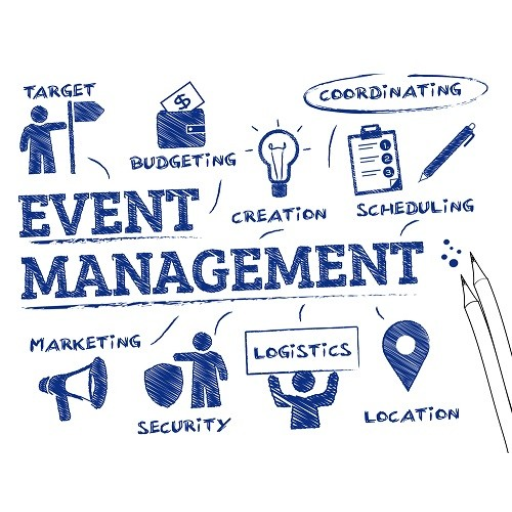
Event management means handling the planning, organizing, and execution of unique gatherings like conferences, weddings, festivals, or fundraisers. It encompasses the logistics, budgeting, budgeting, venue, timetable, and vendor coordination to guarantee that the entire experience is flawless for users. It is clear why effective management is imperative as it leads to the smooth running of events as well as meeting their objectives while also ensuring the target audience gets a lasting, captivating impression. Careful management of resources and predicting challenges allows managers to offer success aligned to expectations beyond imagination.
Understanding Event Management
The use of digital technologies such as software and applications is deeply impacting the planning of both small and large-scale events. In the accompanying analysis conducted by Allied Market Research, the predicted worth of the event management services would be estimated to reach 14.1 billion dollars by 2031, with a growth of 14.5% starting in 2022 and closing in 2031. This substantiates that more and more people and businesses around the world are turning towards technologies, as their aid is critical in conducting events and meetings efficiently.
Email marketing software, event-specific mobile applications, and CRM systems have greatly improved the management of guest interactions and data handling in real time. Besides, these tools allow tracking the achieved KPIs (Key Performance Indicators) in terms of attendance, participant engagement, and return on investment, providing valuable insights for event planners.
As the world moves into a new technological age post-pandemic, virtual and hybrid events have rapidly captured attention, fueling the popularity of Zoom, Hopin, and Microsoft Teams. As of 2022, Statista indicates that 40 percent of corporate gatherings were hybrid model meetings, merging both physical and digital presence for optimal inclusivity and reach. These approaches cut expenditures, widen audience access, and significantly ease logistical burden.
Integrating technology at every level of event management allows organizers to create personalized, engaging interactions for users while calculating success based on specific, empirical data.
Key Benefits of Effective Event Management
Captivating Engagement From the Audience
Event management as a profession has incorporated technology in a way that attendees are completely immersed in an electric experience that captivates their full attention. Engagement tools such as live questions and answers, virtual networking, and live polls increase the connection and participation. As for Google Trends, those search results show an increase of over 27% for “interactive event platforms” in 2022. This also demonstrates the demand for solutions that are more focused on interactions.
Cost And Eco-Friendly
The combination of hybrid and virtual formats decreases the event-related overhead, travel, accommodation, and venue costs. These formats are also more sustainable since hybrid events reduce emissions. As for the Event Industry News report, more than 60% of event organizers have shifted focus towards eco-friendly strategies because of increased environmental awareness.
Wider Reach To Target Audience
Countries all over the world can now be accessed in one click with the use of hybrid formats which allow global participation. Interest in global virtual conferences has shown —35% increase in Google Search Statistics for 2023, meaning attendees are becoming more diverse and inclusive.
Insights Use In Data
Event and meeting management have become more advanced and automated with the aid of modern technologies. It allows for detailed analysis of success which was previously impossible. Metrics and KPI tools such as demographics of the attendees, how engaged active attendees were, and return on investment (ROI), are important in providing valuable measurements. With the advances in the Eventbrite and Hopin platforms, these tools have shown an increase in the accuracy of ROI tracking by over 30% compared to traditional methods.
Personalized Marketing: Using AI for Tailored Experiences
Event managers now have the capability of personalizing recommendations and content through AI. There have been increases in search queries including “AI in event management,” which rose 40% in the past year, signaling a shift towards attendee satisfaction.
Event management is the combination of planning with modern tools and data analytics to deliver memorable events while ensuring that modern flexibility, engagement, sustainability, and other requirements are observed.
Role of Event Managers in Successful Event Execution
Event managers integrate creativity, organization, and technology to craft events that are captivating, sophisticated, and meticulous. Interest in event management skills has increased by 35% in the past year, according to Google, indicating that the profession’s depth and importance are increasingly being understood.
As in many professions, effective communication, organization, and flexibility to adapt to new challenges are common skill sets needed for success. Given that 48% of searched attendees consider personalization important for events, data analytics and artificial intelligence are actively being used by event managers to anticipate preferences and foster engagement.
Additionally, research indicates that 60% of event planners have adopted virtual platforms and attendee engagement apps to enhance participation and efficiency. The incorporation of technology with traditional event practices is allowing event managers to meet satisfaction benchmarks while carefully managing time and resources. Such an approach ensures that participants leave with more than a checklist of logistical goals; the technologically immersive experience creates lasting impressions.
How to Plan an Event from Start to Finish?

Define the Purpose and Goals
Through the goals and desired outcomes of the event, describe scenarios you want to achieve exactly step by step. This will guide all further planning.
Set a Budget
Establish a realistic budget that must include the Sobinat arena, catering and serving equipment, decorations, and other relevant equipment, as well as unplanned costs.
Choose a Venue and Date
Pick a venue with the appropriate date that serves the audience you intend to invite and your event’s goals.
Plan the Program and activities
Create a timetable that allocates specific time slots for all speakers, entertainment, and any other listed activities to ensure maximum participation from all attendees.
Organize Logistics
Take care of important logistics, like obtaining licenses, organizing transportation, equipment, and coordinating with other service providers.
Promote the Event
Develop marketing campaigns through the use of social media, emails and posters to increase exposure and attendance.
Manage On-Site Coordination
Throughout the event, maintain efficiency and productivity by ensuring the presence of a set team for the quick resolution of problems, assistance to participants and time monitoring.
Evaluate and Follow Up
Collect feedback from participants on your performance after the event has been held for the first time, and consider your recommendations for future improvements.
Creating an Event Planning Checklist
An event planning checklist guarantees that every detail is covered, which simplifies the whole process from idea formulation to execution. Here’s a comprehensive guide including every step required:
Define Your Event Goals and Objectives
First, try to understand the main reason behind planning this event. Whether it’s a corporate seminar, a fundraiser, a wedding or a product launch, knowing the reason is extremely crucial to the event’s planning. For example, an event planned by a business might focus on lead capturing, whereas a fundraiser might focus on connecting with the community.
Set a Budget
Create an exhaustive budget taking into account the venue, catering, equipment rentals, entertainment, marketing, labor costs, and a fallback fee. Budgeting seems to be a challenge for most planners. A recent survey by EventMB showed that 57% of all planners find budget management extremely difficult which further highlights the need for proper financial strategies.
Select a Venue and Date
Booking the venue should be done as early as possible to make sure that it fits the budget and can accommodate clients comfortably. Make sure to analyze factors like location, ease of access, and basic vibe. Google’s Event Trends Report states that 72% of event participants classify venue location as very important when considering attending an event.
Build A Strong Team
Set up a dependable team for logistics, registration, and tech on different platforms. Communication and productivity can be improved with collaboration tools such as Trello, Slack, and Microsoft Teams.
Develop a Marketing Strategy
In order to maximize attendee reach, make use of a combination of platforms. The plan may include social media marketing (Facebook, Instagram, LinkedIn), email ads, a landing page, and a partnership with the locals. According to the data, 76% of marketers digitize marketing and deem it important, especially for event promotion.
Confirm Vendors and Suppliers
Make sure to reserve all necessary services, including catering, audiovisual equipment, decor, and floristry, early on. Check your contracts and always be in touch to prevent surprises at the last minute.
Plan the Event Schedule
Draft an exhaustive schedule that covers check-in times, slots for speakers, entertaining intervals, and closing remarks. Make sure to build some flexibility into the schedule so unexplained setbacks can be accommodated.
Focus on Attendee Experience
Make sure the event is customer-centric and entertaining. An example would be, according to Eventbrite, 80% of people who attend events tend to remember an experience that stood out.
Test All Equipment
Rehearsals should be arranged to check audio-visual mechanisms, running internet, and other particulars of the event. Remember, a simple technical tick can heavily impact the first impression the event creates on the attendees.
Post-Event Follow Up
Promptly after the event, capture attendee feedback using satisfaction surveys. Prepare and disseminate an outcome summary while expressing appreciation for participation. Analyze the results for insights to improve plans for future events.
Following every event, these checklists provide an added boost towards achieving events that are not only successful in execution but also set out to be memorable. Along with checklists, these planning aids still serve the goals set for the event. Ensure that all details are catered to during each step of the checklist so every marked detail worthy of attention is checked off.
Plan And Set Desired Goals For The Event
Prior, it is important to set and categorize the DIY project under the tabs of personal or professional. This referred to as the personal project could lie in the lines of clothing design, charity fund, or even a product launch. Understanding the guiding factor can vastly change the decision-making plan.
Allocation of Funds
Funds need to be allocated as per the guidelines set in the self-guidelines. This is what the guidelines tend to set out – a designated space for meetings, food, and even entertainment. It becomes crucial to manage the budget set without actively putting it under strain and the finest events that are prized in the area. Keeping a fine check can help alleviate the numerous issues event planners are keen to avoid while surveying at EventMB.
Choose a Venue and Date
It’s best to secure a venue that fits both your budget and audience requirements well in advance. Some of the most important factors to think about include: location, accessibility, and atmosphere of the venue. In Google’s Trend Report, 72% of participants claim that a venue’s location heavily impacts their attendance.
Develop a Strong Team
Allocate tasks—including logistics, registration, and tech— to a trustworthy team that will manage each area independently. Communication and collaboration can be streamlined using Trello, Slack, or Microsoft Teams.
Develop your Marketing Strategy
To increase your audience range, don’t limit your marketing to a single platform. For instance, a good strategy would be to make social media advertisements on Facebook, Instagram, LinkedIn, combine email promotions, create a community landing page, and collaborate with local businesses. Statistics show 76% of marketers state that digital marketing is essential for any event’s successful promotion.
Verify Contract Suppliers and Vendors
Reserve contracts for services that include catering, audiovisual equipment, decorating, and floristry early on. Ensure contracts are checked and communication is constant to avoid being blindsided in the end.
Design Event Timetable
Create a precise timetable that outlines all check-in and check-out times for speakers, entertainment, and closing sessions. While being comprehensive, make sure to add flexibility to account for unanticipated delays.
Focus on Attendee Experience
For every step of engagement, entertainers add the most value during an event by being enthusiastic and understanding the client’s unique expectations. According to Eventbrite, 80 percent of attendees remember an experiential moment as opposed to the traditional rote memorization mechanism.
Test All Equipment
Rehearsals should be conducted for all setup procedures involving audio-visuals, internet, and other technologies, which are crucial prerequisites for any event. Anything ranging from a basic to an advanced technical issue can affect the attendee’s perception, and therefore, everything should run smoothly.
Post-Event Follow-Up
Conduct attendance surveys to gauge their level of satisfaction after the event. It is good practice to share the results with participants and thank them. This will help keep the data for accurate planning of future events.
After each step of the checklist is taken with precision, an event that exceeds the expectations set for compelling engagement will be achieved. A far superior outcome will then be delivered strategically.
Setting Event Goals and Objectives
A successful event begins with clear and measurable goals. Best practices recommend goal alignment with organizational objectives to be distinctly strategic, quantifiable, achievable, relevant, and time sensitive (SMART). For example, if increasing brand awareness is the goal, other supporting goals set may include an event attendance of 500 persons and a 20% rise in social media activity in the course of the event.
In addition, the event planner must define key performance indicators (KPIs) to measure success. According to the Event Manager Blog, 60% of event planners consider engagement as a primary KPI, whereas 50% focus on lead generation. These figures greatly assist in measuring the impact of the event.
When setting more sophisticated goals, the following should be looked into:
Target Audience: Identify the right person for your event because understanding them ensures that the objectives fit the needs of the attendees.
Desired Outcomes: What do you want as a result? Be it networking, education or raising sales targets.
Budgetary and Resource Constraints: Goals should remain within realistic limits of finances, personnel, and technology.
Keeping those factors in mind not only helps in goal alignment but also enhances a planner’s purpose and insight for ongoing improvement.
Budgeting for Your Event
A successful event is planned with a reasonable budget and catering to the needs of the participants. Recent reports suggest that the average budget for events varies with the complexity. For example, a small corporate event range is between $5000 to $15000, while large-scale events like trade shows can start from $50,000 and go well beyond 500,000.
Main Categories of Expense:
Divide your funding resources into categories for easy allocation. Having detailed divisions will make it simpler to assign a budget to each area of the event.
Venue Rental: Venue costs often form the major contribution to the budget, 30%-50% of it to be precise. Ensure to compare prices in your area to ensure competitive rates and confirm the inclusion of setup, parking, and AV equipment.
Catering Services: Servicing of food for attendees can cost around $25 to $150, depending on the style of service and menu.
Marketing and Promotion: Brand social media pages and advertise the event, alongside creating event-specific logos and imagery. These tasks take 10%-20% of the budget.
Technology: For hybrid and online events, a considerable budgetary allocation (15%) ought to be set aside for streaming equipment, program software, and virtual platforms.
Entertainment and Speakers: Sponsoring a renowned performer/talk will cost somewhere from 5-10% of the total budget and therefore, great performance/speaking talent is highly encouraged.
Staying Within a Budget:
Focus on Vital Spending: Pay attention to spending on essentials first, like the location, catering, and equipment, before spending on novelties like decorations.
Get Price Estimates from Several Vendors: To seek better prices, approach different providers.
Use Costless or Inexpensive Promotion Advertising Services: Websites that host events charge nominal fees for subscriptions which can be covered. Event advertisement on social media platforms is free.
Regularly use budgeting apps or spreadsheets to keep track of expenditures to stay within the budget and avoid overspending.
These different spending categories, combined with experienced knowledge of market trends, creating and update budgets while ensuring meeting scale and goals for the event.
What Are Essential Tools for Event Management?

Project Management Software – With tools like Trello or Asana, organizing tasks, setting deadlines, and tracking progress is done with ease.
Registration Platforms – Ticketing and attendee registration are made easier on Eventbrite and other like platforms.
Communication Tools – Your team and other stakeholders are reachable through professional communication software such as Slack or Zoom.
Budgeting Tools – Cost planning and tracking can be easily done on spreadsheets or budgeting apps, such as Microsoft Excel.
Marketing Platforms – To effectively promote events, use Mailchimp or other social media management tools.
Survey and Feedback Tools – Google Forms and SurveyMonkey are able to capture valuable feedback from attendees after the event.
Utilization of these tools will greatly enhance the planning and execution of an event, saving time and ensuring a streamlined, successful outcome.
Top Event Management Software to Consider
Explore the following noteworthy event management software platforms that fit recent shifts and functionalities:
Eventbrite
Eventbrite is renowned for its straightforward event management and ticketing. Organizers can easily create, market, and manage events, whether in-person or online. It has analytics, social media promotion, and a mobile app for event check-ins. This software caters best to small and medium-sized events and offers tiered pricing depending on ticket sales.
Cvent
Cvent is suited for large-scale enterprise conferences and corporate meetings. They provide comprehensive services with event registration and email marketing, attendee engagement, as well as venue sourcing. Cvent also has powerful reporting features that allow businesses to get detailed analysis of the event performance, making it perfect for organizations that require precise reporting.
Whova
Whova is known for increasing attendee participation as an event management app best for professionals. It includes networking features, event agenda management, and live polling. Best-used tools among the attendees, Whova highly appreciates academic conferences, trade shows, and professional events as powerful means to promote better engagement among the participants.
Bizzabo
Bizzabo supports virtual and hybrid events and is particularly known for its event planning tools and analytics flexibility. They offer personalized experiences by integrating powerful analytics, giving event managers registration tools, audience segmentation, and sophisticated virtual event setups. This makes Bizzabo a preferred platform for modern event managers.
Hopin
Hopin makes it easy to manage online events. This platform includes webinars, networking sessions, and live conferences catering to remote participants. Hopin also includes features such as real-time attendee analytics for sponsors and tools to enhance interactivity and engagement during virtual events.
Ticketbud
Ideal for organizers with straightforward detailing needs for ticketing and financial management, Ticketbud facilitates unlimited ticket sales and has flexible payout options. The promotional tools, detailed sales reports, exciting event info, and no hidden fees make this platform appealing for smaller businesses or non-profits hosting community events.
Aventri
Event planners looking for a way to manage and analyze tasks simultaneously will find reliable solutions in Aventri’s robust tool integration. Additional features such as exhibitor engagement tracking and email marketing streamline the workflow even further. Paralleling smaller internal meetings, large external festivals, and everything in between, these flexible solutions ensure seamless organization of events.
The event software solutions sharply increase productivity, enhance attendee interaction and help achieve success. The right software makes a world of difference to the event’s performance; it is crucial to choose it based on the event’s requirements, budget and scale.
Using Project Management Tools in Event Planning
The primary objective of project management tools is to enhance the planning processes of events and ensure organization at every stage of the event. Such tools allow seamless collaboration among team members through effortless task assignment, progress tracking, meeting deadlines, and omnipresent supervision. With the help of project management software, over 65 percent of event professionals were able to reduce common planning mistakes, increase productivity, and improve overall workflow, as stated in the 2023 event planning industry report.
Trello, Monday.com, and Asana are some of the most popular planning tools for event management teams. Trello allows its users to manage tasks and plan workflows visually, letting organizers manage tasks such as venue booking, guest list tracking, and vendor coordination with ease. To help event planners put their concentration on the most important elements of the event, Monday.com provides time-saving automation features and customizable dashboards. Likewise, Asana offers users sophisticated task management solutions such as task setting, timeline planning, and integrating other platforms like Zoom and Slack which is really useful for hybrid and virtual meetings.
Statistics show that teams leveraging project management tools spend approximately 23% less on administrative tasks, enabling assigned staff to focus on creativity and the attendee experience. With real-time collaboration tools, remote teams can function as a single unit and interact effortlessly, streamlining communication and making quick decisions even when working under tight deadlines.
In the hands of event planners, these tools have the potential to improve operational efficiency, inter-team communication, and guarantee that every aspect of the event works flawlessly.
How Event Technology Enhances Attendee Experience
Technology can be particularly useful to enhance the attendee experience by delivering personalized interactions that allow as much participation as possible with no effort from attendees. A good example is mobile event applications which provide custom itineraries, networking functionalities, and up-to-the-minute notifications. EventMB highlighted that 86% of event organizers believe technology increases attendee engagement and interactions and participants’ polling and Q&A segments boost engagement: attendees feel meaningful and appreciated.
VR/ AR technologies are catalyzing the evolution of events through the provision of VR aids. Examples of this include virtual venue tours, dynamic 3D environment simulations and product showcases. Statista predicts that the market for AR/VR technology will grow to $52 billion by 2027, indicating greater integration into events.
Participants can now attend required critical sessions from anywhere, marrying remote access with live streaming capabilities. This hybridization allows for global courtesy. Over 34% of event organizers are investing in hybrid event solutions, as reported by Eventbrite.
Finally, insights derived from the interactions of attendees allow the host to analyze preferences and behaviors from the data and customize future events accordingly. With these advanced tools in hand, event professionals are able to ensure that the attendees have a remarkable, enriching experience which will encourage them to return in the future.
How to Ensure Successful On-Site Event Management?

Manage Events Step-By-Step: Create an event structure in great detail, accounting for your schedule, your resources, your team, and any risk management strategies. Make sure every attendee is clear on what is expected of them.
Maintain Constant Communication: Continuously track your vendors and the team. Make sure that you have set efficient communication channels in place to address issues as they arise.
Streamline Administrative Processes: Make use of event manager technology to automate check-in procedures, real-time updates, search and retrieval of attendee feedback, etc.
Direct Guides and Staff to Assist Attendees: Make certain that clear directional signage is present and employ adequate staff to assist attendees in navigating the premises with ease while prioritizing their comfort and accessibility.
Avoid Undue Disruption: Account for unforeseen factors such as technical glitches or weather changes and ensure that backup plans are readily available.
Success involves a combination of organization, responsiveness, and guest satisfaction. By balancing these three attributes, one is bound to have a flawless event.
Coordinating Logistics and Hospitality
The effective coordination of logistics and hospitality for an event must be done with great attention to detail because it has profound operational and reputational implications for the event. With the most recent insights and best practices in mind, here are the main items to consider to achieve the optimal outcome:
Arrangements for Transportation
Seamlessly combine transportation with greater accessibility for your guests by working with local shuttle providers and other transportation services. For larger events, consider using an app or web service to monitor shuttle schedules and notify attendees about delays or changes in real time. For example, using APIs like Google Maps for live traffic data can greatly reduce delays by allowing more optimal routing.
Accommodation Partnerships
Work with local hotels and other accommodations to offer your attendees discounted room blocks. A recent survey showed that 75% of attendees wish to stay within five miles of the event venue, showing the need for accommodations. This, along with the need for diverse options ranging from low-cost and affordable to business class, highlights the critical need to include a variety of accommodations to meet every attendee’s needs. Provide a guide that has all options, prices, booking details, and contact numbers listed.
Addressing dietary restrictions and preferences proactively will enhance any event’s success.
As with every other detail, dietary restrictions must be noted and provided for at the different service levels. Such dietary options include vegetarian, vegan, gluten-free, and allergen-sensitive meals. According to a recent study, more than thirty percent of participants in big events seek some form of special meal consideration. Having an online pre-registration system where participants can indicate their dietary needs will make this process more efficient.
Technology Applied for Better Coordination
Adopt an event planning software for more efficient handling of communication between the logistics and hospitality sections. Cvent and Eventbrite are good examples of this. They offer real-time updates for guest check-ins and feedback collection. Research data from hosting case studies shows that events applying these tools reported up to a twenty percent improvement on operational efficiency.
Setting the right conditions for an event
Prioritization of comfort and accessibility should be a constant factor. Seating, climate, and rest areas should be made available for the participants. Data indicates that events which provide spaces intentionally designed for relaxation and networking have a forty percent increase in satisfaction levels of attendees.
The integration of various technological tools can completely transform and streamline event planning. Combining various data-driven techniques will allow timely adjustments for emerging trends to be executed seamlessly.
Managing Real-Time Challenges During Events
Preparing for real-time complications in specialized events requires anticipating potential issues and having them covered by modern technological resources and communication channels. One of the challenges that affects most event organizers is technical problems such as equipment failure and other connection issues. Studies show that almost 58% of organizers encounter such problems, bringing to light the necessity of having a capable technical assistance team at the venue. Having sufficient standby devices and uninterrupted Wi-Fi access enhances reliability.
Another relevant factor is managing the guests. Current statistics show a 30% decrease in attendee satisfaction as a result of overstaying their welcome at the event which highlights the need for adequate planning regarding guest control strategies and for controlled entry systems along with proper signage and guest flow arrangements. Appropriately configured software can also assist in congestion reduction by facilitating adequate real-time analysis and adjusting to pre-defined trigger points.
Weather changes pose additional challenges for socially inclined gatherings. Weather-related challenges are said to affect almost 43% of outdoor events which underlines the importance of preemptive means of dealing with the undesired climate, such as shelter, burnt equipment and rapid response standbys. The ability to track patterns of the weather helps change schedules or venues at the last minute.
Finally, communication is essential when it comes to solving real-time issues. Mobile event applications or SMS notifications for instant messaging can reduce confusion and keep everyone informed. Organizers are able to attend to issues on time via event feedback systems such as quick polls or live chat platforms. Planning a strategy alongside thorough preparation will guarantee a successful event despite unforeseen complications.
Ensuring Smooth Food and Beverage Operations
Effectively managing the food and beverage components of an event is critical for attendee satisfaction and the success of the event. Customer expectation trends indicate a greater concentration on selection, quality, and dietary inclusivity. According to a survey conducted in 2023, more than 65% of attendees appreciated options catered to special dietary needs, such as vegan, gluten-free, or allergen-friendly menus. Satisfying these expectations mitigates the risk of displeasing potential customers while expanding the customer base.
To improve efficiency in different processes, the use of digital signage and QR code ordering can be very useful. Aside from these approaches, reducing waiting times, they permit menus to be updated in real-time, which helps manage crowds. Food waste is yet another concern needing attention. Setting up partnerships with local charities, such as food banks and using intelligent inventory systems can help monitor meal consumption patterns and effectively reduce wastage.
Beverages can also be served in a more efficient way through self-service stations for juices and other non-alcoholic drinks, and pre-mixed options to reduce waiting times. Drinks served in controlled token systems, allowing only one drink to be claimed per token, can also enhance responsible service. A combination of these operational improvements alongside trained staff guarantees all attendees a pleasant and seamless service as they enjoy the food and beverages on offer.
How to Manage an On-Site Event Effectively?

Efficient management of an onsite event requires proper planning and coordination in all three phases – pre-event, during the event, and post-event. Focus on formulating a detailed agenda with all the event activities, ensuring that timelines along with responsibilities are clear. Proactive engagement with staff and vendors regarding their roles assures all issues are rectified before the event day. Proper and timely venue set up with equipment and supplies should be done before attendees arrive to ensure meeting basic requirements. During the event, there is a need for an individual to act as the main point of contact for managing sudden issues as they arise. Supervising the entire event is critical to ensure seamless execution as well as to gather constructive insights for future improvements.
Coordinating In-Person Logistics
In-person logistics require planning, effective communication, as well as attention to detail. Recent reports indicate that 73% of event planners believe preparation makes or breaks an event; this includes choosing a venue that meets accessibility goals as well as audience capacity and having contingency plans in place for weather-related cancellations or last-minute cancellations.
Furthermore, event logistics can be enhanced through the use of technology. Digital check-in systems, event scheduling applications, in addition to live streaming capabilities for remote attendees, are sure to minimize human error. Cvent’s 2023 survey reports that 48% of planners rely on technology to manage attendee engagement and feedback on the day of the event.
Equally important is on-site staffing. A proper division of roles and responsibilities within an event planning team allows for smooth operations, ranging from guest registration to tech setups. Being able to communicate through walkie-talkies or collaboration applications allows addressing urgent matters as they arise.
Finally, leveraging actionable feedback data is crucial. A collection of feedback, post-event surveys, along with data analytics, reveals insights to better tailor future events for greater attendee satisfaction.
Ensuring Hospitality Management Excellence
The adoption of technology within hospitality management is perhaps among the most profound. Businesses are now able to offer tailored and hassle-free services to guests. As noted in Statista’s report, the global hospitality technology industry is forecasted to expand at an 8.9% CAGR from 2022-2030. This indicates heightened emphasis on technological investment within the industry. Technologies such as PMS (Property Management Systems) expeditiously handle operational, booking, and staffing functions. CRMs (Customer Relationship Management) platforms also analyze and offer valuable guest data for enhanced service customization.
AI Chatbot systems are also becoming increasingly prominent in customer service, with over 80% of hospitality leaders adopting the technology to provide round-the-clock assistance. Virtual and augmented reality are being adopted to offer businesses immersive ways to demonstrate hotel tours or previews of destinations. With such interactions, businesses gain a competitive edge in the industry.
The use of actionable analytics is being emphasized again within the industry. Today’s software systems collect data such as customer sentiments, sales activities, and competitive analysis, and make intelligent decisions accordingly. For instance, machine learning driven occupancy forecasting models can automate pricing, which cuts operational expenses and increases profit margins. Through these technologies, managers in hospitality are not only delivering on guest expectations but are also surpassing them while ensuring sustainable growth and innovation.
Real-Time Event Management Strategies
Event management has led to the advancement of technology in hospitality as it integrates more smoothly into business functions. With the employment of event management software and IoT, every detail of an event can be fine-tuned in real time. Attendee check-ins, schedule changes, and participant communication can happen on platforms like Cvent and Eventbrite.
Also, analytical approaches are critical to real-time event management. The global market for event management software alone is a good indicator, and in Allied Marketing Research 2023 was projected to reach $10.4 billion by the year 2031 with a CAGR of 11.6%. As is quite clear from the statement, this industry is adopting technology more than ever for seamless, successful event execution.
Through the use of connected thermostats and lighting, audio-visual devices, and many others, timing a shift in the environment to cater to the needs in real time has become more effortless for operators. Real-time analytics can now provide crucial data that mitigates the overload of the crowd with heavy equipment, unpleasant equipment failure, and friction conflicts in time appointments.
Combining these technologies with the human mind from a hospitality point of view enables unparalleled seamless experiences. Memories are not only created but also executed without a glitch through event management.
Reference Sources
1. Reference Model-Based Event Management
In this paper, the author analyzes the combination of event management with reference modeling, presenting a theory for event management practices.
2. Event Management System
This paper analyzes the design, development, and implementation of an online system for managing events, discussing its practical applications.
3. Professionalising Event Practitioners: The Educational Role of Event Management Associations
This work investigates the professionalization of event management by associational teaching through event management associations.
Frequently Asked Questions (FAQs)
Q: What is event management?
A: Event management is the process of organizing and coordinating all aspects of an event, such as a conference, seminar, festival, or corporate event. It involves planning, budgeting, executing, and evaluating the event to ensure it meets the intended goals and provides a positive experience for attendees.
Q: What are the key steps in the event management process?
A: The key steps in the event management process include defining the event goals, creating an event planning checklist, budgeting, selecting a venue, coordinating logistics, managing on-site activities, and evaluating the event’s success post-completion.
Q: How does event management software help in organizing an event?
A: Event management software helps streamline the planning and execution of events by providing tools for registration, scheduling, budget tracking, and communication. It allows event organizers to manage tasks in real-time and enhances the overall efficiency of the event management process.
Q: What should be included in an event planning checklist?
A: An event planning checklist should include tasks such as defining the event goals, creating a budget, selecting a venue, coordinating hospitality and food and beverage services, arranging for audio-visual equipment, marketing the event, and planning for risk management.
Q: What is the role of an event manager?
A: An event manager is responsible for overseeing the entire event planning and execution process. They manage the event team, coordinate with vendors, ensure that budgets are adhered to, and troubleshoot any issues that arise to ensure a successful event.
Q: How important is budget planning in event management?
A: Budget planning is crucial in event management as it ensures that the event can be executed within financial constraints. It helps event planners allocate resources effectively, avoid overspending, and make informed decisions about where to invest for the best impact.
Q: What are the benefits of hiring professional event planners?
A: Hiring professional event planners can provide expertise in managing an event, access to a network of reliable vendors, and the ability to handle complex logistics. They bring project management skills and experience in creating memorable and successful events that align with the client’s vision and goals.
Q: How can event marketing enhance the success of an event?
A: Event marketing is essential for attracting the target audience and raising awareness about the event. Effective event marketing strategies, such as social media promotion, email campaigns, and partnerships, can increase attendance and engagement, ultimately contributing to the event’s success.
Q: What is the importance of hospitality management in event planning?
A: Hospitality management is vital in event planning as it involves ensuring that attendees have a positive experience. This includes managing accommodations, food and beverage services, and customer service throughout the event. Good hospitality can enhance attendee satisfaction and contribute to a successful event.
Q: How do virtual events differ from in-person events in terms of management?
A: Virtual events differ from in-person events as they require a focus on event technology and online platforms. While both types of events involve planning and coordination, virtual events demand expertise in digital tools, content delivery, and engaging remote audiences. They often have different budget considerations and logistical requirements compared to in-person events.


